How to Transplant Tailed grapefern?
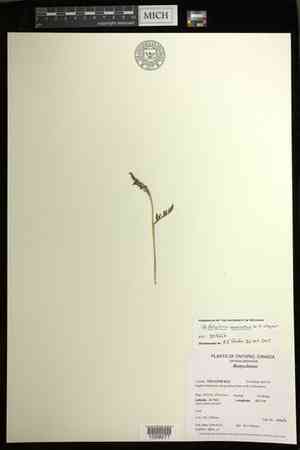
Tailed grapefern flourishes when relocated in the mild temperatures of mid to late spring. Select damp, shaded locations to guarantee peak development, preferring soil abundant in humus. Provide sufficient hydration to the plant after transplanting to foster strong root systems.
What Preparations are Needed Before Transplanting Tailed Grapefern?
What is the Ideal Time for Transplanting Tailed Grapefern?
The best period to move tailed grapefern is during the middle to end of spring and the beginning of summer. This timeframe offers an excellent balance of warmth and moisture, aiding root establishment and development. Relocating tailed grapefern at this point enhances survival rates and encourages robust growth, leading to a healthy, flourishing perennial.
How Much Space Should You Leave Between Tailed Grapefern Plants?
When relocating tailed grapefern, ensure each plant is spaced 12-18 inches (30-45 cm) apart. This provides ample room for growth without overcrowding and guarantees proper air circulation.
What is the Best Soil Mix for Tailed Grapefern Transplanting?
Prepare soil that drains well and is rich in organic material for tailed grapefern. A blend of loamy soil with compost works effectively. Prior to planting, it's also advisable to incorporate a balanced foundational fertilizer.
Where Should You Relocate Your Tailed Grapefern?
Select a spot with partial shade for tailed grapefern. These plants prefer indirect sunlight, so find an area that receives filtered light or morning sun and afternoon shade.
What Equipments Should You Prepare Before Transplantation Tailed Grapefern?
Gardening Gloves
To safeguard your hands while handling soil and plants.
Shovel or Spade
For digging around and lifting the plant's root ball.
Garden Fork
To gently loosen the soil without harming the roots.
Watering Can or Hose
To hydrate the plant before and after relocation.
Wheelbarrow
To move the plant if the initial spot is far from the new planting site.
Pruning Shears
To trim any damaged roots or foliage.
How Do You Remove Tailed Grapefern from the Soil?
How Do You Remove Tailed Grapefern from the Soil?
From Ground: First, water the tailed grapefern plant to moisten the soil. Next, dig a wide trench around the plant using a shovel or spade, making sure the plant's root ball stays intact. Carefully work the spade beneath the root ball to lift the plant from its original position.From Pot: Gently tap the pot to loosen the soil. Tilt the pot slightly and carefully slide the tailed grapefern plant out, ensuring no damage to the roots. If the plant is stuck, use a garden fork to loosen the soil around the edges before removal.From Seedling Tray: Water the seedlings before transplanting to make the soil easier to manage. Gently lift the seedling from the tray using a small trowel or your fingers, taking care to keep the roots and surrounding soil undisturbed.
Step-by-Step Guide for Transplanting Tailed Grapefern
Prepare the New Site
Choose a new location that meets the sunlight and soil requirements for tailed grapefern. Ensure the hole is approximately twice the size of the root ball.
Lift the Plant
Carefully lift the tailed grapefern from its original spot following the removal process guidelines.
Inspect the Roots
Examine the roots for any signs of damage. Trim off any injured or excessively long roots with pruning shears.
Place in the New Hole
Position the tailed grapefern in the prepared hole. Make sure the top of the root ball is level with the surrounding soil.
Backfill the Hole
Gradually fill the hole with soil, gently firming it around the roots as you proceed to eliminate air pockets.
Water Thoroughly
Once the plant is firmly in place, water it completely to help settle the soil around the roots.
How Do You Care For Tailed Grapefern After Transplanting?
Watering
Keep the soil around the tailed grapefern consistently moist, but not waterlogged, for the initial few weeks after transplanting to aid in establishing strong roots.
Mulching
Apply a layer of mulch around the base of the plant to help retain moisture and regulate soil temperature.
Monitoring
Regularly check the plant for any indications of stress or disease. Address any issues promptly to ensure the plant's healthy development.
Troubleshooting Common Issues with Tailed Grapefern Transplantation.
When is the best time to transplant tailed grapefern?
The optimal time to relocate tailed grapefern is from mid-spring to early summer.
How far apart should I space tailed grapefern when transplanting?
Space your tailed grapefern plants 12-18 inches (30-45 cm) apart for ideal growth.
How should I prepare the soil for transplanting tailed grapefern?
Utilize well-draining soil enriched with organic matter to ensure healthy growth for tailed grapefern.
What size should the hole be when transplanting tailed grapefern?
Dig a hole that is twice as wide and just as deep as the root ball.
How do I handle tailed grapefern roots while transplanting?
Be gentle with tailed grapefern's roots to prevent damage. Keep the root ball intact.
Should tailed grapefern be watered immediately after transplanting?
Yes, water tailed grapefern thoroughly after transplanting to help establish the roots.
How can I reduce transplant shock for tailed grapefern?
Transplant tailed grapefern during cooler parts of the day and keep the roots moist.
Can I transplant tailed grapefern in direct sunlight?
Avoid transplanting tailed grapefern in direct sunlight. Choose a partly shaded time or location.
Is mulching beneficial for transplanted tailed grapefern?
Yes, mulching helps retain soil moisture and keeps tailed grapefern's roots cool and protected.
When should I fertilize tailed grapefern after transplanting?
Wait a few weeks after relocating tailed grapefern before applying any fertilizer to prevent root burn.



