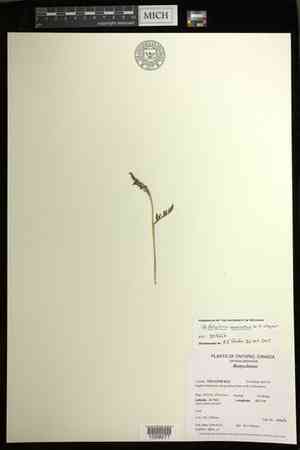
Tailed grapefern (Botrychium acuminatum)
Also known as: None
The tailed grapefern is notable for its delicate, fan-shaped fronds and thrives in the understory of wet woodlands and marshes. Its finely divided leaves often end in a pointed tip, giving it a lace-like appearance. This fern prefers moist environments and benefits from symbiotic relationships with underground fungi, allowing it to compete effectively in densely vegetated areas.
In This Article
Attributes of Tailed grapefern
Lifespan
Perennial
Plant Height
10-20 cm
Spread
Not applicable
Leaf Color
Green
Flower Size
None
Flower Color
None
Images of Tailed grapefern
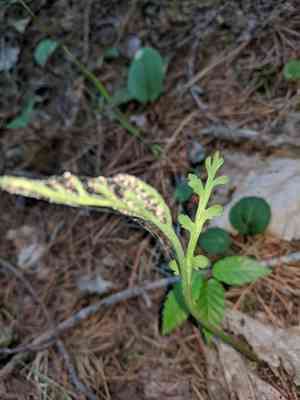
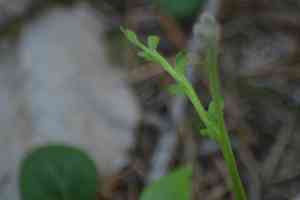
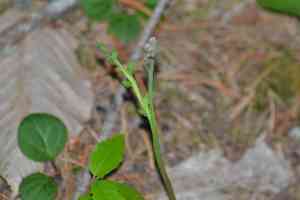
Quickly Identify Tailed grapefern
1
Look for the small, segmented fronds that are deeply lobed, which set it apart from other ferns. The fronds are typically green and may bear spore-producing structures.
Scientific Classification of Tailed grapefern
Phylum
Vascular plants
Class
Psilotopsida
Order
Ophioglossales
Family
Adder's-tongue
Genus
Moonworts
Species
Tailed grapefern
Planting and Growing of Tailed grapefern
Care Difficulty
Hard
Watering Schedule
Every 2 days
Sunlight Requirements
Partial sun
Sunshine Duration
4-6 hours
Ideal Temperature
60-75℉
Soil Type
Potting Mix, Peat Mix
Soil pH
6.5-7.5
Fertilizer Type
Balanced
Pruning Season
Spring, Summer
Pruning Area
Branches, Leaves
Pruning Frequency
Once a year
Repotting Season
Spring
Pot Type
Plastic, Ceramic
 How to Water Tailed grapefern?
For Botrychium acuminatum, watering should be done to ensure the soil remains evenly moist but not waterlogged. The plant's delicate root system prefers a balance that allows roots to breathe while maintaining enough moisture for nutrient uptake. Water until about 150 ml soaks in and drains out of the soil once a session, adjusting slightly based on pot size and environment.
What are the symptoms of an underwatered Tailed grapefern?
›
What should I do if my Tailed grapefern is not getting enough water?
›
What are the symptoms of an overwatered Tailed grapefern?
›
How to save an overwatered Tailed grapefern?
›
 What Are the Sunlight Requirements for Tailed grapefern?
Botrychium acuminatum ideally needs partial sun, mimicking the dappled light of its natural habitats. Proper light helps maintain its structural integrity and supports lush, healthy growth, enhancing the overall plant vitality.
What type of lighting benefits Botrychium acuminatum?
›
How can I adjust my planting area to fit its light needs?
›
What are the benefits of optimal lighting for this plant?
›
 What Is the Ideal Temperature Range for Tailed grapefern?
The ideal temperature range for Botrychium acuminatum is between 60°F and 75°F. This range provides optimal conditions for growth, enabling the plant to photosynthesize efficiently and maintain cellular functions. Consistent temperatures within this range help prevent stress and promote robust development.
 What Soil is Best for Tailed grapefern?
Botrychium acuminatum thrives in well-drained soil that allows air and water to circulate effectively around the roots. This prevents root rot and other water-related issues, promoting healthy growth. A nutrient-rich substrate provides essential minerals and nutrients, ensuring that Botrychium acuminatum has all the resources for strong and steady growth throughout its life cycle. Incorporating organic matter into the soil enhances its structure and fertility, supplying Botrychium acuminatum with substances that improve moisture retention and nutrient availability, while fostering healthy microbial activity.
 How to Fertilize Tailed grapefern?
Botrychium acuminatum requires a delicate balance of nutrients; over-fertilizing can be detrimental. Use a half-strength liquid fertilizer, specifically formulated for ferns, during the growing season for best results, approximately 1/4 teaspoon per gallon of water.
 How to Prune Tailed grapefern?
Prune Botrychium acuminatum during the growing seasons—spring, summer, and early autumn—when the plant is actively expanding. This timing allows the plant to recover quickly and continue growing with minimal stress, maximizing its overall health and vitality. Use sharp pruning shears or scissors to make clean cuts, reducing the risk of injury to the plant. Sterilize your tools before each use to prevent the spread of disease. Having the right tools ensures precision and reduces the risk of damaging the delicate structure of the plant. Begin by identifying any brown or dead fronds. Cut these at the base, close to where they emerge from the ground. Avoid cutting any green and healthy fronds as they contribute to the plant's photosynthesis process. Ensure all cuts are clean to facilitate a tidy appearance and reduce disease risk.
More About Pruning Techniques→
 How to Propagate Tailed grapefern plant?
1
Select a well-drained, loamy soil ideally enriched with organic matter. Ensure that the soil is loose to facilitate proper root expansion when transplanting young plants. Soil preparation is fundamental as it impacts the germination rate and health of Botrychium acuminatum.
2
Sow the seeds of Botrychium acuminatum on the surface of prepared seed trays or in a nursery bed. Do not cover them deeply, as they require light to germinate. Mist the surface lightly to maintain moisture, and ensure constant temperature and humidity levels are maintained during germination.
3
During the early spring, gently unearth mature Botrychium acuminatum plants with a sharp spade. Divide the rhizomes ensuring each division has a healthy portion of roots. This method allows for an identical genetic copy of the plant.
 How to Repot Tailed grapefern plant?
1
Botrychium acuminatum signals it's time for repotting when you notice roots starting to poke through the drainage holes, or if the growth seems stagnant despite optimal care. Repotting during Spring or Autumn allows the plant to recover quickly without the extreme stresses of heat or cold.
2
Select a pot that is 1-2 inches larger in diameter than the current one, with sufficient drainage holes. A pot that's too large can lead to overwatering issues, while a snug fit promotes healthy root development. Choose a breathable material, like terracotta, to help regulate moisture levels effectively.
3
Opt for a moist, well-draining mix that holds enough moisture for Botrychium acuminatum yet allows excess water to escape. A blend containing a mix of loam, peat, and perlite is ideal. This combination ensures a balance of nutrients and air circulation, preventing root rot.



