How to Prune Tailed grapefern?
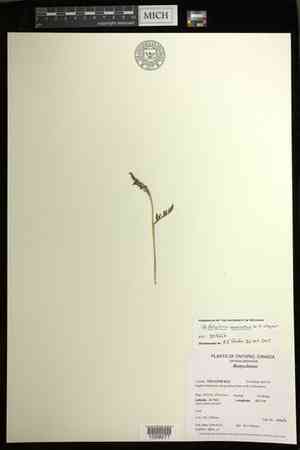
Tailed grapefern is a distinctive perennial fern recognized for its intricate, deeply-divided leaves. Trim this variety in early spring or late winter prior to the emergence of new foliage. Eliminate any withered or compromised fronds to improve airflow and minimize the chance of illness. Refrain from extensive trimming since tailed grapefern develops slowly and is delicate. Appropriate pruning boosts its visual appeal and fosters robust development, guaranteeing the fern stays lively and shapely throughout its life cycle.
What Are the Benefits of Pruning Tailed Grapefern?
What Are the Benefits of Pruning Tailed Grapefern?
Tailed grapefern benefits from trimming as it promotes robust development and helps maintain the plant's form. Regular trimming eliminates dead or damaged fronds, lowering pest and disease risks, and fosters a healthy, visually appealing look.
What Is the Best Time for Pruning Tailed Grapefern?
What Is the Best Time for Pruning Tailed Grapefern?
Trimming tailed grapefern from late winter to early spring aligns with its dormant period before the active growth season starts. This timing minimizes stress and allows for faster recovery and new growth. Pruning during these seasons also aids in shaping the plant and removing any dead or damaged fronds without disrupting its reproductive cycle.
What Tools Do I Need to Prune Tailed Grapefern?
Small Pruning Shears
These are perfect for precise cuts on the delicate fronds of tailed grapefern.
Precision Scissors
Useful for reaching confined areas and making clean cuts without harming nearby foliage.
Bypass Pruners
Helps in making smooth cuts on living tissue, which is crucial for the health of tailed grapefern.
Hand Pruners
Practical for snipping away small, dead sections of tailed grapefern efficiently.
Sanitizing Solution
Essential to prevent the spread of disease between cuts.
How to Prune Tailed Grapefern
Assess
Carefully examine tailed grapefern for any diseased or withered leaves. These are the parts of the plant that will need to be removed to maintain its health.
Sterilize
Sterilize your pruning shears with rubbing alcohol. This prevents the spread of disease to healthy parts of tailed grapefern.
Remove diseased leaves
Using the sterilized shears, carefully trim away any diseased leaves. Make clean cuts close to the base of the leaf stem without damaging the main stem of tailed grapefern.
Remove withered leaves
Next, trim any withered leaves using the sterilized shears. Again, ensure clean cuts close to the base of the leaf stem.
Dispose
Immediately dispose of the removed leaves in a sealed bag and discard them in the trash to prevent the spread of disease or pests in the garden.
Common Pruning Mistakes with Tailed Grapefern
Over-pruning
Excessive removal of fronds can weaken tailed grapefern, reducing its ability to photosynthesize and potentially leading to poor health and reduced growth.
Improper Technique
Using dull or dirty tools can damage the plant tissue and introduce pathogens, compromising the health of tailed grapefern.
Wrong Timing
Pruning during active growth phases can stress tailed grapefern and disrupt its natural development cycle, making it more susceptible to diseases.
Common Pruning Tips for Tailed Grapefern
Sterilize Tools
Always sterilize pruning tools before use to prevent the spread of diseases. Use a solution of one part bleach to nine parts water for cleaning.
Minimal Pruning
Only remove dead or damaged fronds to maintain the health and structure of tailed grapefern. It is generally best to take a conservative approach.
Angle Cuts
Make clean cuts at an angle to prevent water from pooling on the cut surface, which can lead to rot and disease.
Monitor Growth
Regularly inspect tailed grapefern for signs of overgrowth, but avoid heavy pruning. Minor, targeted pruning can encourage better air circulation and light penetration.



