How to Transplant Smallhead doll's daisy?
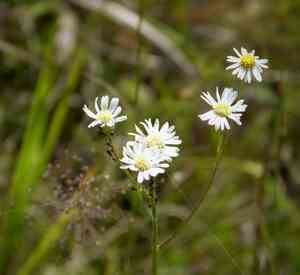
Smallhead doll's daisy thrives when relocated between early and late spring, benefiting from mild temperatures and vigorous development. Select a location receiving full sun to partial shade, featuring soil that drains effectively. Provide regular hydration and contemplate applying mulch to preserve soil dampness post-transplant.
Necessary Preparations Before Relocating Smallhead Doll's Daisy?
Optimal Timing for Moving Smallhead Doll's Daisy?
The best period for relocating smallhead doll's daisy, a perennial, spans from early to late spring. Moving it during this window allows smallhead doll's daisy to benefit from cooler temperatures and increased soil moisture, aiding root establishment and robust development. This timeframe helps ensure a smooth transition and vigorous growth for the plant in its new spot.
Recommended Spacing Between Smallhead Doll's Daisy Plants?
For smallhead doll's daisy, aim to position each plant 18-24 inches (45-60 cm) apart. This provides ample room for growth and promotes good air circulation, thereby reducing the likelihood of pests and diseases.
Ideal Soil Blend for Smallhead Doll's Daisy Relocation?
When relocating smallhead doll's daisy, utilize well-draining soil enriched with organic matter. Incorporate compost or aged manure into the planting area to boost nutrient levels. A balanced, slow-release fertilizer with a 10-10-10 (N-P-K) ratio can also be advantageous.
Preferred Location for Your Smallhead Doll's Daisy?
Position smallhead doll's daisy in an area that receives full sunlight, aiming for at least 6-8 hours of direct sun daily. This encourages strong growth and abundant blooms, resulting in a cheerful and vibrant garden.
Equipment to Prepare Before Transplanting Smallhead Doll's Daisy?
Gardening Gloves
To safeguard your hands while handling soil and the plant.
Shovel or Spade
For excavating the plant from its original spot and creating a new hole for relocation.
Hand Trowel
To assist in removing smaller plants or young sprouts.
Gardening Fork
To loosen the soil around the plant when extracting it from a container or the ground.
Watering Can or Hose
To hydrate the plant before and after its move.
Compost or Organic Matter
To enrich the new planting hole and support the plant's development.
How to Extract Smallhead Doll's Daisy from the Ground?
How to Extract Smallhead Doll's Daisy from the Ground?
From Ground: First, moisten the soil around the smallhead doll's daisy plant by watering it. Next, dig a wide trench around the plant using a shovel or spade, ensuring the root ball remains intact. Carefully work the spade beneath the root ball to lift the plant from its original position.From Pot: Water the smallhead doll's daisy plant thoroughly before removal. Gently tip the pot onto its side and tap it to loosen the soil. Carefully slide the plant out of the pot, holding it by the root ball to prevent damage to stems and leaves.From Seedling Tray: Water the seedlings to soften the soil. Use a hand trowel or your fingers to gently lift each seedling, taking care to keep the root ball and seedlings intact. Support the roots as much as possible to minimize disturbance.
Detailed Steps for Transplanting Smallhead Doll's Daisy
Preparation
Prepare the new planting site by digging a hole that is twice as wide and as deep as the root ball of your smallhead doll's daisy plant. Improve the soil with compost or organic matter to enhance its structure and nutrient content.
Placement
Position the smallhead doll's daisy plant in the center of the hole, ensuring the top of the root ball is level with, or slightly above, the surrounding soil. Backfill the hole with soil, gently pressing down to eliminate air pockets.
Watering
Immediately water the relocated smallhead doll's daisy plant thoroughly to settle the soil around its roots. Ensure the water penetrates deeply to encourage downward root growth.
Mulching
Apply a 2-3 inch layer of mulch around the base of the smallhead doll's daisy plant, keeping it a few inches away from the stem. This helps retain soil moisture and suppress weeds.
Post-Transplant Care for Smallhead Doll's Daisy
Watering
Maintain consistent moisture in the soil around the smallhead doll's daisy, avoiding sogginess, for the initial weeks after transplanting to aid in strong root development.
Monitoring
Regularly inspect the plant for indications of stress or transplant shock, such as wilting, yellowing leaves, or stunted growth. Provide additional water or shade if necessary.
Pruning
If the smallhead doll's daisy appears leggy or stressed post-transplant, consider trimming some foliage to reduce water loss and promote root establishment.
Fertilizing
Once the smallhead doll's daisy has begun to establish and show new growth, you can start feeding it with a balanced, slow-release fertilizer according to product instructions.
Addressing Common Issues During Smallhead Doll's Daisy Transplantation.
When is the best time to transplant smallhead doll's daisy?
The optimal period to transplant smallhead doll's daisy is from early to late spring for best growth.
What spacing should I use for smallhead doll's daisy?
Space smallhead doll's daisy 18-24 inches (45-60 cm) apart to ensure adequate room for development.
Which soil type is ideal for transplanting smallhead doll's daisy?
Smallhead doll's daisy thrives in well-draining soil with a pH level between 6.0 and 7.5 for healthy growth.
How do I prepare smallhead doll's daisy for transplanting?
Water smallhead doll's daisy thoroughly the day before transplanting to minimize shock and facilitate removal.
What size hole should I dig for smallhead doll's daisy?
Dig a hole twice the width of the root ball and as deep as the plant's container.
Should smallhead doll's daisy be fertilized after transplanting?
Apply a balanced, slow-release fertilizer post-transplant to support initial root development and growth.
How often should I water newly transplanted smallhead doll's daisy?
Water smallhead doll's daisy thoroughly immediately after transplanting and keep the soil consistently moist for the first few weeks.
How can I reduce transplant shock for smallhead doll's daisy?
Transplant smallhead doll's daisy on a cloudy day and avoid disturbing the roots to minimize shock.
What should I do if smallhead doll's daisy wilts after transplanting?
If smallhead doll's daisy wilts, ensure it's adequately watered and consider using a plant support until it stabilizes.
Can I transplant smallhead doll's daisy in the fall?
It's best to transplant smallhead doll's daisy in the spring; fall transplants risk not establishing before winter.



