How to Transplant Rotund boesenbergia?
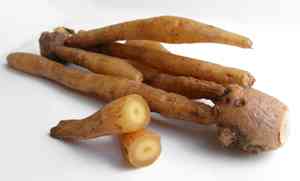
The most favorable time to transplant rotund boesenbergia is in early spring, as its growth accelerates. Select a site offering partial shade and soil that drains effectively. Should you move it to a brighter area, introduce it gradually to avoid stress.
What Preparations are Needed Before Transplanting Rotund Boesenbergia?
What is the Ideal Time for Transplanting Rotund Boesenbergia?
The perfect period to move rotund boesenbergia is during the spring season. This time provides excellent growth potential due to mild temperatures and increased daylight. Moving rotund boesenbergia now enhances root establishment, ensuring a strong start. Embrace this season for its supportive conditions, which prepare rotund boesenbergia for a vigorous, thriving cycle!
How Much Space Should You Leave Between Rotund Boesenbergia Plants?
When relocating your rotund boesenbergia, ensure each plant is spaced approximately 1.5-2 feet (45-60 cm) apart. This allows them adequate room to grow and circulate air. Remember to first assess your garden layout and plan accordingly.
What is the Best Soil Mix for Rotund Boesenbergia Transplanting?
Your rotund boesenbergia will flourish best in well-drained soil rich in organic matter. Consider amending your soil with a foundational fertilizer, ideally compost or aged manure, before transplanting. This will enrich the ground and encourage healthy development.
Where Should You Relocate Your Rotund Boesenbergia?
Your rotund boesenbergia should be placed in an area receiving partial sunlight for optimal growth. Excessive direct sun may harm it, so aim for a spot with morning sun and afternoon shade. Healthy plants begin with the correct placement!
What Equipments Should You Prepare Before Transplantation Rotund Boesenbergia?
Gardening Gloves
To safeguard your hands while handling the plant and soil.
Shovel or Garden Trowel
To excavate the plant from its original spot without harming the root system.
Gardening Fork
Useful for loosening the soil around the plant in its initial location.
Wheelbarrow or Bucket
To move the plant from its first position to the new planting site.
Watering Can or Hose
To hydrate the soil before and after the relocation.
Mulch
To help shield the plant from extreme weather and maintain soil moisture.
Organic Matter or Compost
To enrich the new planting area for the plant's best growth.
How Do You Remove Rotund Boesenbergia from the Soil?
How Do You Remove Rotund Boesenbergia from the Soil?
From Ground: Start by watering the rotund boesenbergia plant to moisten the surrounding soil. Then, using a gardening fork, gently loosen the soil about 6-10 inches away from the plant to keep its root system intact. Carefully work your shovel or garden trowel beneath the root ball, slowly lifting it from the ground while minimizing damage.From Pot: Water your potted rotund boesenbergia plant thoroughly and wait until the water has drained. Next, gently tip it sideways while holding the stem at the base; tap the pot's sides to loosen the root ball if needed. Then, carefully slide it out so the root ball remains whole.From Seedling Tray: Ensure rotund boesenbergia seedlings have at least two sets of true leaves and a robust root system before transplanting. Moisten the seedlings and use a dibber or utility knife to lift them gently, ensuring minimal root damage.
Step-by-Step Guide for Transplanting Rotund Boesenbergia
Plant Removal
Follow the appropriate extraction method based on where your rotund boesenbergia plant is currently situated.
Prepare the New Site
Dig a hole at the new spot, which should be twice the width and the same depth as the root ball. Incorporate some organic matter or compost into the hole to supply nutrients for the plant.
Transplanting
Carefully place the rotund boesenbergia plant in the hole, ensuring the top of the root ball is level with the ground surface.
Back-filling
Refill the hole with soil, pressing down gently to eliminate any air pockets.
Watering
Water the newly transplanted plant thoroughly, but avoid excessive watering to prevent waterlogging.
How Do You Care For Rotund Boesenbergia After Transplanting?
Watering
Keep the rotund boesenbergia plant adequately watered, especially during the initial weeks as it establishes new roots. The soil should remain consistently moist but not saturated.
Mulching
Apply a layer of mulch around the base of the rotund boesenbergia to help retain moisture, keeping the mulch away from the stem's base to prevent rot.
Monitoring
Observe for signs of stress, such as wilting leaves or a lack of new growth, and adjust your plant care as needed.
Pruning
Prune the rotund boesenbergia plant if necessary, removing any damaged or dead parts to help the plant direct its energy towards establishing roots in the new location.
Troubleshooting Common Issues with Rotund Boesenbergia Transplantation.
When is the best time to transplant rotund boesenbergia?
The optimal period to transplant rotund boesenbergia is during the early to mid-portion of the growing season. In other words, relocate rotund boesenbergia during S1-S3 for prime growth.
What is the recommended spacing for rotund boesenbergia when transplanting?
Aim to maintain a distance of 1.5 to 2 feet (45-60 cm) between each rotund boesenbergia planting. This provides ample space for growth and proper air circulation.
How deep should I dig the hole when transplanting rotund boesenbergia?
The hole should be twice the width and similar to the depth of the root ball. This offers rotund boesenbergia a spacious environment to establish its roots.
How much water does rotund boesenbergia need after transplanting?
Water rotund boesenbergia generously after transplanting, ensuring the soil is moist but not waterlogged. Continue regular watering until the plant settles into its new location.
Why are the leaves of my transplanted rotund boesenbergia turning yellow?
Yellow leaves often indicate overwatering or a need for more light. Ensure rotund boesenbergia receives sufficient indirect sunlight and verify the soil drains properly.
Why isn't my transplanted rotund boesenbergia growing?
Growth delay could stem from root shock, insufficient sunlight, or improper watering. Patience is crucial as rotund boesenbergia may require time to adapt to its new surroundings.
What should I do if the transplanted rotund boesenbergia starts wilting?
Rotund boesenbergia may wilt due to transplant stress. Keep soil consistently moist, avoid direct sunlight but maintain a well-lit environment, and remember to add a transplanting fertilizer.
Can rotund boesenbergia deal with transplantation shock?
Yes, like many perennial plants, rotund boesenbergia might experience transplant shock. However, with proper care such as consistent watering and indirect sunlight, it can recover and flourish.
What kind of soil drainage does rotund boesenbergia prefer after transplanting?
Rotund boesenbergia thrives in well-draining soil, as standing water can lead to rot and other ailments. A sandy loam soil mixture has proven beneficial.
What to do if rotund boesenbergia's leaves turn brown after transplanting?
Browning leaves suggest drying out or sunburn. Move rotund boesenbergia to a shadier spot, maintain moisture levels, and trim off the brown sections to prevent further spread.



