How to Prune Rotund boesenbergia?
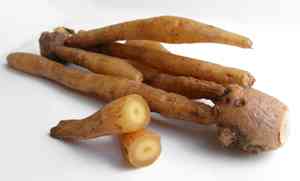
Boesenbergia rotunda, recognized for its erect, foliage-rich stalks and consumable underground stems, thrives with trimming to control its development and boost vitality. The most favorable periods for this are spring, summer, and autumn, coinciding with its phases of active expansion. The pruning process entails eliminating deceased or impaired leaves, reducing dense stems, and cutting back faded flower spikes. This practice stimulates fresh development, enhances air movement, and deters ailments. Consistent upkeep guarantees a robust, fruitful specimen, supporting both its decorative and gastronomic applications.
What Are the Benefits of Pruning Rotund Boesenbergia?
What Are the Benefits of Pruning Rotund Boesenbergia?
Trimming rotund boesenbergia encourages vigorous plant development by eliminating dead or unhealthy sections, thereby enhancing overall vitality. It also maintains the plant's form, ensuring a neat look and preventing congestion, which can attract pests and illnesses.
What Is the Best Time for Pruning Rotund Boesenbergia?
What Is the Best Time for Pruning Rotund Boesenbergia?
The optimal time for pruning rotund boesenbergia is during spring, summer, and fall, aligning with its active growth phases. Pruning in these seasons ensures rapid recovery and sustained plant health. Spring and summer trimming aid in shaping the plant and stimulating robust growth, while fall pruning prepares rotund boesenbergia for dormancy, fostering a strong structure for the subsequent growth cycle.
What Tools Do I Need to Prune Rotund Boesenbergia?
Hand Pruners
These are perfect for making precise cuts on small stems and shoots to manage the plant's shape and remove any dead or diseased parts.
Bypass Pruners
Bypass pruners are especially useful for making clean cuts on live, green stems without crushing them, which is crucial for maintaining the health of rotund boesenbergia.
Snips or Floral Scissors
These are excellent for fine, detailed pruning tasks, such as deadheading or trimming delicate foliage, allowing for more controlled and precise cuts.
Pruning Knife
A pruning knife can be useful for more intricate cuts or shaping of the plant, especially in hard-to-reach areas.
Pruning Saw
A small pruning saw may be necessary for removing larger or thicker stems that cannot be handled by hand pruners or bypass pruners. However, this is less common for rotund boesenbergia.
How to Prune Rotund Boesenbergia
Inspection
Start by thoroughly examining rotund boesenbergia for any visible signs of distress including diseased leaves, withered leaves, dead branches, and diseased branches.
Sanitization
Sanitize your pruning tools with a solution of one part bleach to nine parts water to prevent the spread of disease from infected to healthy parts of rotund boesenbergia.
Remove Diseased Leaves
Carefully trim away any diseased leaves, cutting back to healthy tissue to ensure the removal of all infected parts. This helps in preventing the spread of disease.
Remove Withered Leaves
Cut off withered leaves close to the base of rotund boesenbergia to maintain its appearance and direct nutrients to healthier parts of the plant.
Remove Dead and Diseased Branches
Trim dead or diseased branches back to the nearest healthy growth using clean, precise cuts to promote healing and prevent further decay.
Common Pruning Mistakes with Rotund Boesenbergia
Over-pruning
Cutting too many stems or leaves can stress rotund boesenbergia and inhibit its growth and flowering.
Pruning too close to the ground
Removing growth too close to the base can damage rotund boesenbergia and render it susceptible to diseases.
Using dull tools
Dull or dirty pruning tools can tear plant tissue, increasing the risk of infection.
Pruning in poor light
Inadequate lighting during pruning can lead to uneven cuts and damage vital parts of rotund boesenbergia.
Common Pruning Tips for Rotund Boesenbergia
Sterilize tools
Always sterilize your pruning tools before use to prevent the spread of diseases.
Identify dead or diseased parts
Carefully examine rotund boesenbergia for dead or diseased stems and remove them first to promote better air circulation and reduce the risk of infection.
Use sharp tools
Sharp, clean tools ensure precise cuts and minimize damage to plant tissue.
Prune for shape
Focus on pruning to maintain the natural shape of rotund boesenbergia, removing any overcrowded or crossing stems to allow better light penetration and air movement.
Minimize pruning
Only prune as necessary since rotund boesenbergia requires minimal pruning to thrive. Removing too much can stunt its growth.



