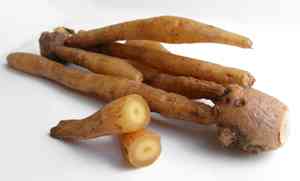
Rotund boesenbergia (Boesenbergia rotunda)
Also known as: Chinese Keys, Fingerroot, Lesser Galangal
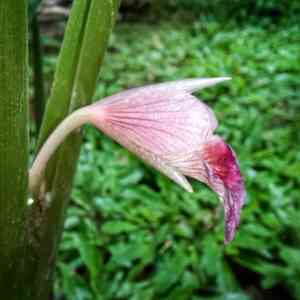
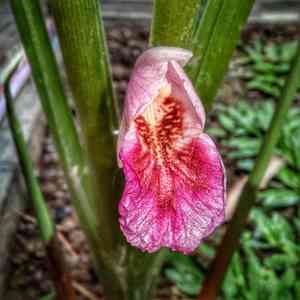
Chinese ginger (Zingiber officinale) is a herbaceous plant that typically reaches a height of 61 to 91 cm. Its leaves are characterized by red sheaths, and the blades are oval with pointed tips. The leaves can grow up to 50 cm long and 12 cm wide, with petioles that have deep grooves in the middle. The flowers emerge from between the leaf sheaths near the base of the plant and are white or light pink, blooming one at a time.
In This Article
Attributes of Rotund boesenbergia
Lifespan
Perennial
Plant Type
Herb
Plant Height
50 cm
Spread
50 cm
Leaf Color
Green
Flower Size
2-3 cm
Flower Color
Pink Purple
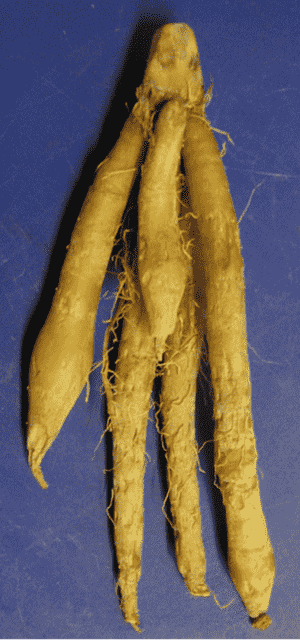
Images of Rotund boesenbergia
Quickly Identify Rotund boesenbergia
1
Boesenbergia rotunda can be identified by its unique rhizomes that resemble fingers. The leaves are ovate to lanceolate and have a glossy green appearance. The plant also produces white or pinkish flowers.
Scientific Classification of Rotund boesenbergia
Phylum
Vascular plants
Class
Monocotyledons
Order
Zingiberales
Family
Ginger
Genus
Boesenbergia
Species
Rotund boesenbergia
Planting and Growing of Rotund boesenbergia
Care Difficulty
Moderate
Watering Schedule
Every 3 days
Sunlight Requirements
Partial sun
Sunshine Duration
6-10 hours
Ideal Temperature
77-86℉
Soil Type
Potting Mix, Peat Mix
Soil pH
6.5-7.5
Fertilizer Type
Balanced
Pruning Season
Spring, Summer
Pruning Area
Branches, Leaves
Pruning Frequency
2 times a year
Repotting Season
Spring
Pot Type
Plastic, Ceramic
 How to Water Rotund boesenbergia?
Boesenbergia rotunda benefits from being watered thoroughly until water drains out of the pot's bottom. However, it's essential to allow the top 2-3 cm of soil to dry out between waterings to prevent root rot. This ensures that the plant can breathe and grow healthily.
What are the symptoms of an underwatered Rotund boesenbergia?
›
What should I do if my Rotund boesenbergia is not getting enough water?
›
What are the symptoms of an overwatered Rotund boesenbergia?
›
How to save an overwatered Rotund boesenbergia?
›
 What Are the Sunlight Requirements for Rotund boesenbergia?
Boesenbergia rotunda performs best in partial sun to full shade conditions. Ideal light exposure allows the plant to maintain healthy foliage, vibrant colors, and optimal growth without the risks posed by excessive light intensity.
Optimal Growth Environment
›
Solution for Ideal Lighting
›
Benefits of Ideal Lighting
›
 What Is the Ideal Temperature Range for Rotund boesenbergia?
For optimal growth, Boesenbergia rotunda thrives best in temperatures between 77°F and 86°F. This range provides the ideal warmth for its biological processes, ensuring that photosynthesis and other metabolic activities occur efficiently. A consistent temperature within this range helps the plant maintain robust leaf growth and healthy root development.
 What Soil is Best for Rotund boesenbergia?
Boesenbergia rotunda requires well-drained soil to prevent root rot and ensure healthy growth. Well-drained soil allows excess water to easily escape, reducing waterlogging and promoting nutrient availability, resulting in robust plant health. Incorporating nutrient-rich compost into the soil is vital for Boesenbergia rotunda, as it provides the essential nutrients and organic matter the plant needs for vigorous growth. This leads to better rhizome development and an increase in yields. Moderate moisture retention is crucial for Boesenbergia rotunda to thrive. The soil should maintain moisture without becoming waterlogged, which helps maintain a consistent supply of water to the roots, crucial for metabolic processes and photosynthesis.
 How to Fertilize Rotund boesenbergia?
For Boesenbergia rotunda, the recommended fertilizer amount is typically around half-strength of the usual concentration for most tropical plants. This means mixing a balanced liquid fertilizer at a ratio of 1:2 or even 1:3 to avoid over-stimulation, especially during the growing season.
 How to Prune Rotund boesenbergia?
Begin by using clean and sharp pruning shears to cut back any spent or yellowing leaves. Focus on removing the older growth at the base of the plant to encourage fresh and robust new shoots. Be careful not to cut too close to the ground, and always cut at an angle to prevent water from pooling and causing rot.
More About Pruning Techniques→
 How to Propagate Rotund boesenbergia plant?
1
Choose healthy rhizomes free from disease and signs of damage for division. Healthy rhizomes are crucial as they ensure better growth and development after planting. Avoid rhizomes that appear dried or have signs of rot.
2
Use a sharp knife to divide the rhizomes into sections, ensuring each section has at least one growing bud. Each cut should be clean to promote healing and reduce the chances of infection. The size of each section can affect growth rate, so aim for uniformity.
3
Plant the divided sections in a potting mix that provides adequate drainage. Ensure the growing buds are facing upward and cover rhizomes slightly with soil. Proper planting depth ensures stability and adequate moisture retention.
 How to Repot Rotund boesenbergia plant?
1
Boesenbergia rotunda should be repotted when you notice the plant has become root-bound, evidenced by roots growing out of drainage holes or visible through the soil's surface. Another signal can be a noticeable slowdown in growth, indicating the plant has exhausted the nutrients in its current soil. Early spring is an ideal time as the plant begins its growth phase, allowing it to quickly recover and establish in new soil.
2
Choose a pot that is one size larger than the current pot, with ample drainage holes to prevent water-logging. A slightly heavier pot can also help with stability as the plant grows. The right pot size ensures that the plant has enough room to grow and that excess water can drain, reducing the risk of root rot.
3
Opt for a well-draining organic mix that can retain some moisture while allowing excess to escape. A mix containing peat, perlite, and coarse sand can provide the balance needed. This soil type ensures that roots receive adequate aeration, preventing the incidence of fungal diseases and promoting robust growth.



