How to Transplant Dense-flowered false nettle?
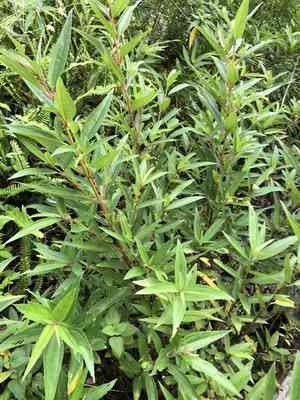
Relocate dense-flowered false nettle during its vigorous development phase, immediately after the final frostâenvision pleasant late spring days extending into early summer. Select a location offering filtered sunlight and fertile, adequately draining earth to guarantee your dense-flowered false nettle flourishes post-relocation.
Preparations for Transplanting Dense-flowered False Nettle
Optimal Timing for Relocating Dense-flowered False Nettle
The prime window for moving dense-flowered false nettle is during the transition from late spring to early summer, just as blooming begins and temperatures rise. This period offers mild, consistent warmth and extended daylight, allowing dense-flowered false nettle's root system to settle and expand without the stress of extreme heat or cold. Transplanting dense-flowered false nettle at this time ensures it becomes well-established before cooler weather arrives. The favorable climate and moist soil conditions of this season provide dense-flowered false nettle with an ideal foundation for confident rooting, ensuring a smooth move to its new spot. Additionally, this timing enables dense-flowered false nettle to fully utilize the growing season, promoting vigorous growth and vitality. By selecting this opportune moment for transplantation, you provide dense-flowered false nettle with the gentle care needed for successful establishment in your garden.
Recommended Spacing Between Dense-flowered False Nettle Plants
When preparing a location for your beautiful dense-flowered false nettle, aim to provide ample room for growth. A distance of 18-24 inches (45-60 cm) between each plant will be perfect, allowing them to thrive and spread gracefully in your garden.
Ideal Soil Mixture for Dense-flowered False Nettle Transplanting
Before introducing dense-flowered false nettle to its new home, prepare a rich, well-draining soil blend, enriched with compost or a balanced, slow-release fertilizer. This nurturing base will help your plants settle in and flourish from the very beginning!
Choosing a New Location for Your Dense-flowered False Nettle
Dense-flowered false nettle thrives in locations that receive some beneficial sunlight but also appreciate a bit of shade during the warmest parts of the day. A partially sunny area would be perfectly suited for these leafy companions to absorb the right amount of light.
Equipment Needed Before Transplanting Dense-flowered False Nettle
Digging Spade
Used for excavating around the plant for removal and creating a new planting hole.
Hand Trowel
Useful for detailed digging tasks and handling smaller plants.
Gardening Gloves
To safeguard your hands while working with soil and plants.
Watering Can or Hose
For hydrating the plant post-transplant and maintaining soil moisture.
Root Pruning Shears
To trim any damaged or overly long roots.
Wheelbarrow or Plant Dolly
For moving the plant from its original spot to the new location.
Mulch
To help retain moisture in the soil around the newly planted area.
Removing Dense-flowered False Nettle from the Soil
Removing Dense-flowered False Nettle from the Soil
From Ground: Hydrate the dense-flowered false nettle plant to soften the earth. Dig a circular trench at least 6 inches from the stem to avoid root damage. Use a spade to carefully lift the plant, keeping the root ball intact.From Pot: Tilt the container sideways and gently tap or squeeze its sides to loosen the root ball. Carefully slide the dense-flowered false nettle plant out, ensuring the stem and roots are supported.From Seedling Tray: Moisten the soil for easier removal. Use a hand trowel or your fingers to gently lift the dense-flowered false nettle seedlings without disturbing the roots, holding them by the leaves rather than the stem.
Step-by-Step Guide for Transplanting Dense-flowered False Nettle
Preparation
Gather all necessary tools and assess the dense-flowered false nettle's size to estimate the root ball dimensions. Ensure the new planting site is clear of weeds and debris.
Root Pruning
Trim any broken or excessively long roots using root pruning shears, being careful not to over-prune, which can stress the plant.
Digging the Hole
Excavate a hole in the new location that is twice as wide and the same depth as the root ball.
Placing the Plant
Position the dense-flowered false nettle plant into the hole at the same level it was previously growing. Adjust its placement so it is straight and centered.
Backfilling
Carefully refill the hole with soil, gently tamping it down to eliminate air pockets. Water the area to help the soil settle around the roots.
Mulching
Apply a layer of mulch around the base of the dense-flowered false nettle, leaving a small gap around the stem to prevent rot.
Post-Transplant Care for Dense-flowered False Nettle
Monitoring
Observe the dense-flowered false nettle for any signs of stress and confirm its successful adaptation to the new environment.
Stabilizing
Help the dense-flowered false nettle remain upright by providing support with stakes if needed, especially for taller varieties or in windy areas.
Watering Frequency
Gradually decrease watering as the dense-flowered false nettle becomes established, but always adjust to the plant's hydration requirements.
Pruning
Remove any damaged or dead foliage to redirect energy towards healthy growth.
Troubleshooting Common Issues with Dense-flowered False Nettle Transplantation
When is the best time to transplant dense-flowered false nettle?
The ideal time for transplanting dense-flowered false nettle is during mild weather, typically from late spring to early summer.
What spacing should I use for dense-flowered false nettle plants?
Allow each dense-flowered false nettle approximately 18-24 inches (46-61 cm) of space to ensure adequate room for growth.
How deep should the hole be for transplanting dense-flowered false nettle?
Dig a hole just deep enough to accommodate the dense-flowered false nettle's root ball, maintaining its original planting depth.
Can I transplant dense-flowered false nettle on a hot day?
It's best to choose a cooler, overcast day for transplanting dense-flowered false nettle to reduce transplant shock and moisture loss.
What soil type is best for dense-flowered false nettle after transplanting?
Use well-draining soil rich in organic matter to help dense-flowered false nettle establish its roots post-transplant.
Should I water dense-flowered false nettle immediately after transplanting?
Yes! Provide dense-flowered false nettle with a thorough watering immediately after transplanting to help settle the soil around its roots.
How should I handle dense-flowered false nettle's roots during transplanting?
Gently separate any circling roots and spread them out in the hole to encourage outward growth.
What signs of shock should I look for after transplanting dense-flowered false nettle?
After transplanting, wilting or yellowing leaves on dense-flowered false nettle may indicate shock. Sufficient water and shade can help alleviate this.
How much sunlight does dense-flowered false nettle need after transplanting?
Place dense-flowered false nettle in a location where it receives partial to full sunlight, adjusting protection as it acclimates.
Can I fertilize dense-flowered false nettle right after transplanting?
Refrain from fertilizing; allow dense-flowered false nettle to prioritize root establishment. Fertilizer can be introduced once consistent growth is observed.



