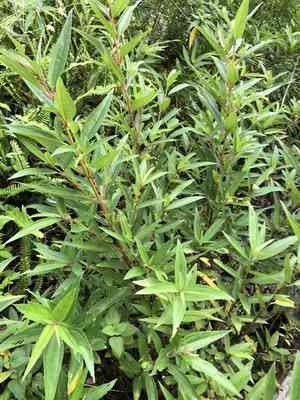
Dense-flowered false nettle (Boehmeria densiflora)
Also known as: Dense-flowered Boehmeria
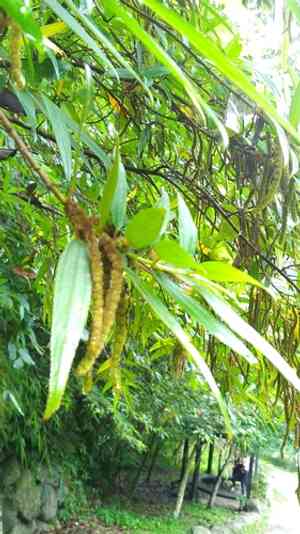
The dense-flowered false nettle (Boehmeria cylindrica) is a perennial herb that stands upright and often forms a bushy appearance. It is typically found in moist, shaded woodlands and wetlands. The plant features opposite, serrated leaves and produces compact, greenish flower spikes that may go unnoticed due to their subtle appearance. Its lush, dense foliage offers significant ground cover, enhancing the habitat for various forest-floor organisms and contributing to the diversity of the understorey.
In This Article
Attributes of Dense-flowered false nettle
Lifespan
Perennial
Plant Type
Shrub
Plant Height
1 m to 2 m
Spread
0.5 to 2 meters
Leaf Color
Green
Flower Size
4 cm to 12 cm
Flower Color
Yellow Red Green
Images of Dense-flowered false nettle
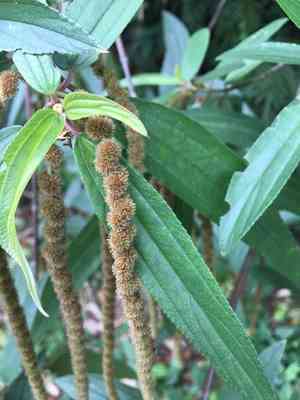
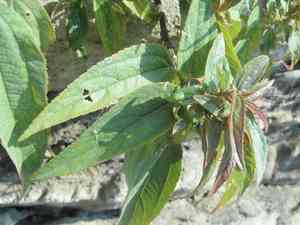
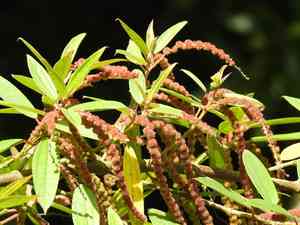
Quickly Identify Dense-flowered false nettle
1
This plant can be identified by its dense inflorescence of small, greenish flowers and broad, serrated leaves.
Scientific Classification of Dense-flowered false nettle
Phylum
Vascular plants
Class
Dicotyledons
Order
Rosales
Family
Nettle
Genus
False nettles
Species
Dense-flowered false nettle
Planting and Growing of Dense-flowered false nettle
Care Difficulty
Easy
Watering Schedule
Every 3 days
Sunlight Requirements
Partial sun
Sunshine Duration
4-6 hours
Ideal Temperature
65-75℉
Soil Type
Potting Mix, Peat Mix
Soil pH
6.5-7.5
Fertilizer Type
Balanced
Pruning Season
Spring, Summer
Pruning Area
Branches, Leaves
Pruning Frequency
2 times a year
Repotting Season
Spring
Pot Type
Plastic, Ceramic
 How to Water Dense-flowered false nettle?
For Boehmeria densiflora, watering should be executed with precision to provide around 250 milliliters of water per session. The goal is to moisten the soil thoroughly but ensure it drains well to avoid soggy conditions. This encourages healthy root development and prevents root rot.
What are the symptoms of an underwatered Dense-flowered false nettle?
›
What should I do if my Dense-flowered false nettle is not getting enough water?
›
What are the symptoms of an overwatered Dense-flowered false nettle?
›
How to save an overwatered Dense-flowered false nettle?
›
 What Are the Sunlight Requirements for Dense-flowered false nettle?
Partial sun to full shade, ideally 4 hours of filtered light, encourages vibrant growth and maintains the plant's tone.
What is the ideal light exposure for Boehmeria densiflora?
›
How can I provide optimal light conditions?
›
What are the benefits of optimal lighting for this plant?
›
 What Is the Ideal Temperature Range for Dense-flowered false nettle?
Boehmeria densiflora thrives best within an optimal temperature range of 65 to 75°F. This range provides the right conditions for photosynthesis, enabling the plant to grow vigorously and maintain healthy foliage. Consistent exposure to this temperature range helps in avoiding stress that might otherwise affect its growth.
 What Soil is Best for Dense-flowered false nettle?
Boehmeria densiflora thrives in well-drained soils that prevent waterlogging. Adequate drainage ensures that the roots receive the necessary oxygen, promoting healthy growth and preventing root rot. This plant requires soil rich in organic matter to supply essential nutrients. An ample supply of nutrients fosters robust growth, vibrant foliage, and resistance to pests and diseases. Moderate and consistent soil moisture is crucial for Boehmeria densiflora. Regular watering or natural rainfall should maintain moisture without saturating the soil, aiding in proper nutrient absorption and lush foliage.
 How to Fertilize Dense-flowered false nettle?
For Boehmeria densiflora, it's important to use a balanced fertilizer, such as a 10-10-10 NPK formula. Liquid fertilizer should be diluted to a quarter strength to avoid root burn, and solid fertilizers should be lightly sprinkled around the base of the plant, ensuring the soil is moist before application.
 How to Prune Dense-flowered false nettle?
Start by inspecting the plant and identifying any dead or damaged leaves and stems. Cut these back to their base. Next, focus on shaping the plant by trimming any excessively long branches to an outward-facing bud, encouraging a bushy habit. Finally, remove any crossing branches that could cause damage or impede growth. Prune Boehmeria densiflora during early spring or summer when the plant is actively growing. Avoid pruning in extreme temperatures, whether too hot or too cold, as stress could impair recovery. Ensure the plant has adequate water post-pruning to aid in regeneration.
More About Pruning Techniques→
 How to Propagate Dense-flowered false nettle plant?
1
Harvest seeds from mature, dry seed pods. Ensure they are fully ripe to maximize germination success. Store seeds in a cool, dry place until you’re ready to plant them to maintain their viability.
2
Take 4-6 inch cuttings from a healthy Boehmeria densiflora plant, making sure to cut below a leaf node. Remove lower leaves, leaving only a few at the top to reduce water loss.
3
Carefully dig up the plant and divide it into sections with roots attached. Plant each division in a prepared hole or pot. Water thoroughly to help new divisions establish quickly.
 How to Repot Dense-flowered false nettle plant?
1
Boehmeria densiflora shows signs it needs repotting when its roots begin to grow through the drainage holes or when the plant's growth noticeably slows down. Ideally, repotting should be done in spring or summer when the plant is actively growing, as this allows it to recover quickly.
2
Select a pot that is only one or two sizes larger than the current one. It should have ample drainage holes to prevent waterlogging. A pot that is too large may lead to excessive soil moisture, increasing the risk of root rot. The material of the pot can vary, but terracotta is beneficial as it allows moisture to escape, keeping the roots aerated.
3
Opt for a well-draining potting mix to prevent the roots from sitting in water. The ideal mix includes materials like perlite or sand to enhance drainage. This type of soil prevents compaction and maintains good aeration around the roots, promoting healthy growth.
Learn More About Dense-flowered false nettle Diseases
Anthracnose
Bacterial Leaf Spot
Bacterial Soft Rot
Bacterial Wilt
Black Spot
Chemical Injury
Crown Gall
Cyst Nematode
Damping-off
Downy Mildew
Drought Stress
Fusarium Wilt
Gray Mold
Leaf Curl
Leaf Spot
Mosaic
Nutrient Deficiency
Nutrient Toxicity
Powdery Mildew
Root Rot
Root-knot Nematode
Rusts
Sooty Mold
Spider Mites
Temperature Stress
Thrips Damage
White Mold



