How to Prune Dense-flowered false nettle?
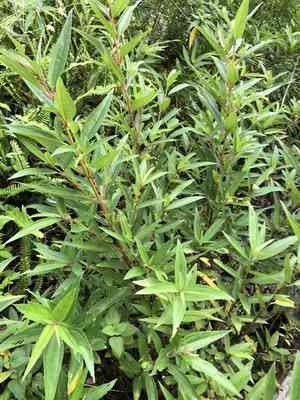
Boehmeria densiflora, recognized for its grouped blossoms and nettle-like look, thrives with trimming in late winter or early spring, right before new development begins. Trimming should concentrate on eliminating deceased or compromised stalks to foster a robust, more condensed form. Furthermore, reducing older, congested stems can improve air movement and light exposure, leading to healthier leaves. This method also encourages energetic growth, guaranteeing a vibrant, sturdy plant for the approaching season.
What Are the Benefits of Pruning Dense-flowered False Nettle?
What Are the Benefits of Pruning Dense-flowered False Nettle?
Trimming dense-flowered false nettle promotes robust development and helps maintain its desired form. Regularly removing old or overgrown stems encourages new, healthy shoots, boosting the plant's vigor and visual appeal.
What Is the Best Time for Pruning Dense-flowered False Nettle?
What Is the Best Time for Pruning Dense-flowered False Nettle?
Pruning dense-flowered false nettle in late winter and early spring is advantageous because it coincides with the plant's dormant phase. In late winter, the plant is still inactive before its growth cycle begins, making it less vulnerable to pruning stress. Trimming at this time minimizes the risk of frost damage to new growth and allows for clear visibility of the plant's structure without leaves. Early spring pruning is also ideal as it prepares dense-flowered false nettle for its upcoming growth spurt, by eliminating any dead or damaged wood and shaping the plant to foster healthier and more vigorous development. This timing ensures that any cuts heal quickly with the surge of spring growth, reducing disease risk. It also avoids disturbing the plant during flowering or fruiting, thereby supporting dense-flowered false nettle's natural cycle rather than interrupting it.
What Tools Do I Need to Prune Dense-flowered False Nettle?
Hand Pruners
Dense-flowered false nettle is not a particularly woody plant, meaning hand pruners should suffice for most trimming tasks. Opt for bypass pruners for their clean cuts that cause less harm to plant tissues.
Shears
For shaping and reducing softer or denser foliage, sharp shears can be used. This allows you to trim back the softer stems of dense-flowered false nettle, while achieving a neat shape.
Pruning Saw
Should dense-flowered false nettle possess older or woodier stems, a pruning saw might be necessary to manage larger branches that hand pruners cannot handle. A folding saw would offer precision and control.
How to Prune Dense-flowered False Nettle
Identify
Thoroughly examine dense-flowered false nettle to pinpoint diseased leaves, withered leaves, dead branches, and diseased branches. Focus on areas exhibiting discoloration, damage, or decay.
Disinfect
Before making any cuts, sanitize your pruning tools with a solution like alcohol or bleach to prevent disease transmission to healthy parts of dense-flowered false nettle.
Remove leaves
Carefully detach diseased and withered leaves from dense-flowered false nettle by snipping them at their base, using clean, sharp scissors or pruners. Be careful not to harm healthy leaves and stems.
Prune branches
Cut away dead and diseased branches from dense-flowered false nettle using clean, sharp pruning shears. Make clean cuts at a 45-degree angle, just above a healthy bud or lateral branch, to encourage healthy regrowth.
Clean up
Gather all removed material (diseased leaves, withered leaves, dead branches, diseased branches) and dispose of it away from healthy plants to prevent disease spread. Clean your tools again after use.
Common Pruning Mistakes with Dense-flowered False Nettle
Overpruning
Removing too much foliage at once, which can stress dense-flowered false nettle and lead to poor plant health or reduced blooming.
Improper cutting
Making cuts either too close to the main stem, which may damage it, or too far from the bud, which can leave unsightly stubs prone to disease.
Pruning during active growth
Trimming dense-flowered false nettle while it's actively growing can disrupt its growth cycle and potentially affect flowering.
Ignoring plant health
Failing to remove dead or diseased branches, which can hinder new growth and lead to the spread of disease throughout dense-flowered false nettle.
Using dull tools
Employing blunt cutting implements that create imprecise cuts and can traumatize the plant, making dense-flowered false nettle more susceptible to pests and diseases.
Common Pruning Tips for Dense-flowered False Nettle
Tool sanitization
Disinfect pruning tools before and after use to prevent the spread of disease in dense-flowered false nettle.
Selective pruning
Target only dead, damaged, or overly dense areas, focusing on thinning rather than shaping to maintain dense-flowered false nettle's natural form.
Gradual pruning
Prune gradually over time instead of drastically cutting back dense-flowered false nettle, as this can encourage healthier regrowth.
Cut angle
Make cuts at a 45-degree angle above buds to ensure water drains off the cut surface, reducing the likelihood of disease affecting dense-flowered false nettle.
Follow branch structure
Prune dense-flowered false nettle by following its natural branching structure to enhance sunlight penetration and air circulation, leading to a healthier and more floriferous plant.



