How to Transplant Palm fern?
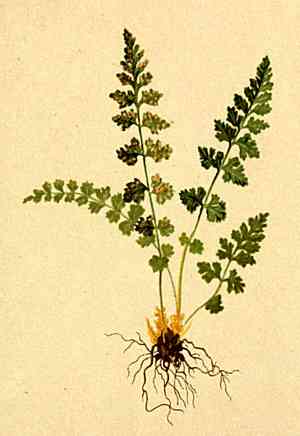
Relocating palm fern from late spring through early summer guarantees vigorous rooting. Select a site offering shade or partial shade, featuring damp, well-draining earth, to replicate its native environment. This period and placement foster robust development and acclimation.
Essential Preparations Before Relocating Palm Fern?
Optimal Timing for Palm Fern Relocation?
Palm fern, a perennial plant, flourishes when moved in late spring to early summer. This period offers ideal conditions with warmer soil and extended daylight, aiding root development. Transplanting at this time minimizes shock and boosts the plant's resilience, leading to vigorous growth and a thriving garden.
Recommended Spacing Between Palm Fern Plants?
For optimal outcomes, ensure palm fern plants are spaced 18-24 inches (46-61 cm) apart. This provides ample room for natural growth and spread while maintaining good air circulation.
Ideal Soil Blend for Palm Fern Relocation?
Prepare the soil for palm fern using a well-drained, slightly acidic to neutral mixture. Incorporate a foundational fertilizer rich in organic material, such as compost or aged manure, to supply vital nutrients. This will assist newly transplanted plants in establishing quickly.
Preferred Location for Your Palm Fern?
Select a partially shaded spot for relocating palm fern. It thrives in areas receiving filtered sunlight or morning sun with afternoon shade. Direct sun can be too intense, so aim for a balance that offers protection during the day's hottest hours.
Necessary Equipment Before Relocating Palm Fern?
Gardening Gloves
To safeguard your hands while handling soil and plants.
Shovel or spade
For excavating around the plant and preparing a new site.
Trowel
For more precise digging and lifting smaller specimens.
Garden Fork
To loosen the soil surrounding the plant and carefully extract the root ball.
Watering Can or Hose
To hydrate the plant before and after its move.
Wheelbarrow (optional)
For easier transport of larger plants.
Pruning Shears
To trim any damaged roots or foliage.
Method for Extracting Palm Fern from its Current Location?
Method for Extracting Palm Fern from its Current Location?
From Pot: Thoroughly water the palm fern. Gently tilt the pot sideways and tap the base to loosen the soil. Carefully slide the plant out, supporting its base and roots.From Ground: First, water the palm fern to moisten the soil. Then, dig a wide trench around the plant using a shovel or spade, ensuring the root ball remains intact. Carefully work the spade beneath the root ball to lift the plant from its original spot.From Seedling Tray: Water the palm fern seedlings to facilitate removal. Use a trowel to gently lift each seedling, ensuring you support the root ball and avoid harming the delicate roots.
Step-by-Step Guide for Relocating Palm Fern
Site Selection
Choose a spot with adequate sunlight and room for your palm fern to reach its full size.
Prepare the Hole
Dig a hole in the new location that is twice as wide and the same depth as the palm fern's root ball.
Acclimate the Plant
If the palm fern has been potted or indoors, gradually introduce it to the outdoor environment by placing it outside for a few hours daily over a week.
Transplanting
Position the palm fern in the center of the hole, ensuring it sits at the same depth as it was previously. Backfill the hole with soil, gently pressing down to remove air pockets.
Watering
Thoroughly water the palm fern after relocating to help settle the soil around its roots.
Post-Transplant Care for Palm Fern?
Watering
Keep the soil around the palm fern consistently moist, but not waterlogged, for the initial weeks after transplanting to encourage strong root development.
Mulching
Apply a layer of mulch around the base of the palm fern to retain moisture and stabilize soil temperature.
Monitoring
Observe the palm fern for any indications of stress, such as wilting or yellowing leaves, and address issues promptly.
Supporting
Stake the palm fern if needed, to provide extra support in windy conditions until it establishes itself in its new location.
Resolving Common Issues with Palm Fern Relocation.
When is the best time to relocate palm fern?
Early to mid-summer is ideal for moving palm fern to ensure optimal growth.
How much space should I leave between palm fern plants?
Space each palm fern plant 18-24 inches (45-60 cm) apart for healthy development.
What soil type is best for relocating palm fern?
Well-draining, slightly acidic soil with rich organic matter is most suitable for palm fern.
How deep should the hole be for palm fern?
Dig a hole as deep as the root ball and twice its width.
How do I water palm fern after relocating?
Water thoroughly immediately after planting, then keep the soil consistently moist but not saturated.
Should I fertilize palm fern right after relocating?
Wait a few weeks after transplanting, then use a balanced fertilizer to promote growth.
What light conditions does palm fern prefer?
Palm fern thrives in partial to full shade for optimal growth.
How can I support palm fern during transplant shock?
Provide ample water, avoid direct sunlight, and use mulch to maintain moisture levels.
Can I relocate palm fern in the fall or spring?
It's better to move palm fern in early to mid-summer for the best results.
How do I know if my relocated palm fern is thriving?
Look for new growth and vibrant, healthy fronds as indicators of a flourishing palm fern.



