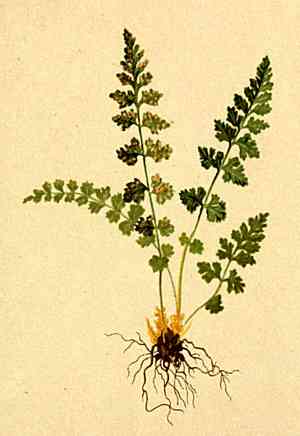
Palm fern (Blechnum appendiculatum)
Also known as: None
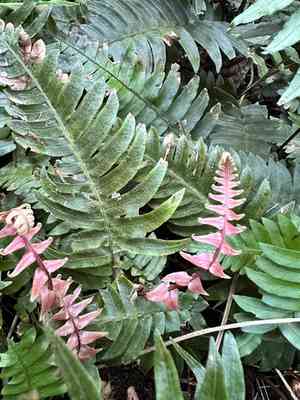
Palm ferns flourish in the damp, shaded undergrowth of thick forests. They feature broad, leathery fronds that start off with a reddish tint and mature into a deep green. These ferns have strong rhizomes that secure them amidst the forest floor's organic matter, thriving in high humidity and low light conditions common in their natural environment.
In This Article
Attributes of Palm fern
Lifespan
Perennial
Plant Type
Fern
Plant Height
30-90 cm
Spread
Varies
Leaf Color
Green
Flower Size
N/A (ferns do not produce flowers)
Flower Color
N/A (ferns do not produce flowers)
Images of Palm fern
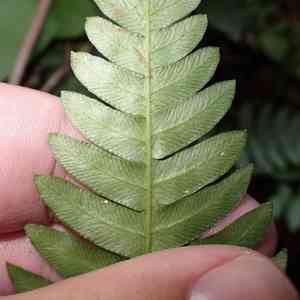
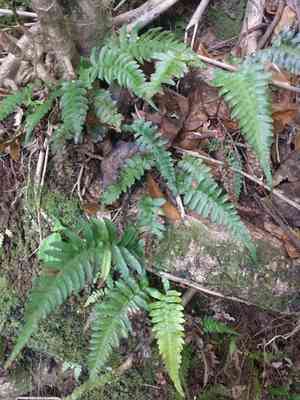
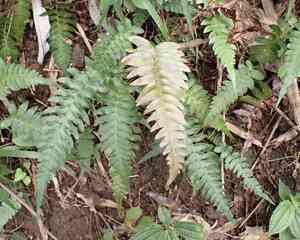
Quickly Identify Palm fern
1
Look for fronds that are long, arching, and have a distinct central rib with leaflets arranged in pairs on either side. The new growth is often a bright, contrasting color to the mature fronds.
Scientific Classification of Palm fern
Phylum
Vascular plants
Class
Ferns
Order
Polypodiales
Family
Chain fern
Genus
Hard fern
Species
Palm fern
Planting and Growing of Palm fern
Care Difficulty
Moderate
Watering Schedule
Every 3 days
Sunlight Requirements
Partial sun
Sunshine Duration
4-8 hours
Ideal Temperature
60-75℉
Soil Type
Potting Mix, Peat Mix
Soil pH
6.5-7.5
Fertilizer Type
Balanced
Pruning Season
Spring, Summer
Pruning Area
Branches, Leaves
Pruning Frequency
2 times a year
Repotting Season
Spring
Pot Type
Plastic, Ceramic
 How to Water Palm fern?
Blechnum appendiculatum requires a moderate amount of water, approximately 500ml per watering session. The goal is to water the plant until the soil is evenly moist but not soggy. This ensures the roots can absorb the necessary moisture without being waterlogged, which could lead to root rot.
What are the symptoms of an underwatered Palm fern?
›
What should I do if my Palm fern is not getting enough water?
›
What are the symptoms of an overwatered Palm fern?
›
How to save an overwatered Palm fern?
›
 What Are the Sunlight Requirements for Palm fern?
This plant flourishes best under partial sun, which simulates its natural under-canopy environment. Ideal lighting aids in maintaining robust foliage, balanced growth, and prevents overheating.
Optimal Natural Environment
›
Artificial Light Solutions
›
Daily Light Requirements
›
 What Is the Ideal Temperature Range for Palm fern?
The ideal temperature range for Blechnum appendiculatum is between 60°F to 75°F. This range ensures optimal growth and development by maintaining the metabolic processes of the plant at an efficient rate. In this temperature range, the risk of temperature-induced stress is minimized, allowing the plant to focus energy on growth and photosynthesis.
 What Soil is Best for Palm fern?
Blechnum appendiculatum thrives in well-drained soils that prevent waterlogging. This is crucial because stagnant water can lead to root rot, which is detrimental to the plant’s health. A well-drained soil composition ensures that the roots receive adequate oxygen and nutrients, fostering robust growth and vitality. While well-drained, it is also vital that the soil retains sufficient moisture to keep the plant hydrated without becoming boggy. Maintaining a balance in moisture helps mimic the natural environment of Blechnum appendiculatum, promoting lush, healthy foliage. Enriched soil full of organic matter or compost provides essential nutrients that are beneficial for the lush growth of Blechnum appendiculatum. This nourished soil enhances the plant's resilience against pests and diseases.
 How to Fertilize Palm fern?
Blechnum appendiculatum, as a fern, prefers a relatively light touch when it comes to fertilization. Use a balanced, water-soluble fertilizer at half the recommended strength for other houseplants. This ensures that the delicate root system is not overwhelmed and receives the nutrients it requires without risk of root burn. Approximately 1/4 teaspoon per gallon of water should suffice.
 How to Prune Palm fern?
Begin by assessing your Blechnum appendiculatum for dead or damaged fronds. Trimming these away helps improve both appearance and overall health of the plant. Carefully cut back overgrown fronds at the base. This promotes better air circulation within the plant and encourages robust new growth, enhancing its vibrant look.
More About Pruning Techniques→
 How to Propagate Palm fern plant?
1
Begin by watering the parent plant thoroughly a day before division. This ensures the roots are hydrated and make separation easier and less traumatic. Aim to do this in the early morning or late afternoon to avoid heat stress.
2
Gently dig around the base of the plant with a gardening trowel. Carefully lift the plant, being mindful of the root structure. Use a knife or your hands to separate the plant into smaller sections, ensuring each section has sufficient roots and foliage.
3
Plant the divided sections in well-prepared soil, maintaining the same depth as they were initially growing. Water lightly and place them in a shaded spot until they acclimate. Regularly monitor moisture levels to promote root establishment.
 How to Repot Palm fern plant?
1
Look for signs like roots protruding from drainage holes, stunted growth, or soil that dries out too quickly. These indicators suggest that it's time for repotting, typically best done during Spring or Summer when the plant is actively growing.
2
Choose a pot that's 1-2 inches larger in diameter than the current one. Ensure it has good drainage holes to prevent waterlogging and root rot. A slightly larger pot allows room for growth without causing excessive soil moisture retention.
3
Opt for a well-draining fern mix, which provides the necessary aeration and moisture retention. A suitable mix might include peat, pine bark, and perlite. This soil type ensures that your Blechnum appendiculatum gets the nutrients and drainage it needs.



