How to Prune Palm fern?
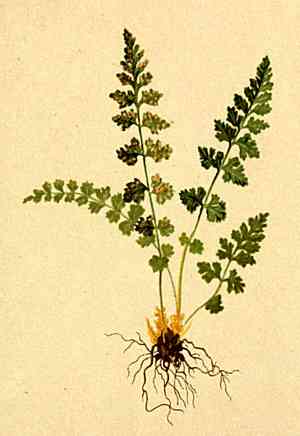
The palm fern, readily recognized by its abundant, curving leaves and exotic look, thrives with trimming to sustain its health and visual appeal. Perform pruning on palm ferns in the early spring or late winter, prior to the emergence of new shoots. Eliminate any withered or compromised fronds at their base to encourage vigorous foliage and inspect for any browned tips requiring removal. This practice not only enhances its beauty but also lowers the chance of illness. With modest attention, individuals can guarantee strong development and a neat, appealing specimen.
What Are the Benefits of Pruning Palm Fern?
What Are the Benefits of Pruning Palm Fern?
Trimming palm fern promotes vigorous development and maintains its form. Regular trimming eliminates damaged or dead fronds, enhancing air circulation and reducing pest problems. Managing its size improves visual appeal and encourages healthier, more robust growth.
What Is the Best Time for Pruning Palm Fern?
What Is the Best Time for Pruning Palm Fern?
Late winter and early spring are considered optimal for trimming palm fern due to its growth cycle. Pruning during these periods leverages the plant's dormant phase, minimizing stress and lowering disease risk. Additionally, this timing allows palm fern to recover and grow more vigorously as it enters its active growth phase in the spring. Pruning before new growth begins ensures the plant can focus its energy on developing strong, healthy shoots and foliage throughout the growing season.
What Tools Do I Need to Prune Palm Fern?
Bypass Pruners
Perfect for precise cutting of dead fronds and minor shaping, thanks to their sharp blades that create clean cuts.
Pruning Shears
Useful for removing dead or damaged fronds, providing a clean cut that helps prevent disease.
Folding Pruning Saw
Helpful for thicker stems and older, tougher fronds without harming the plant.
Long-handled Loppers
These are advantageous for reaching the inner parts of palm fern without damaging other fronds, ideal for thicker and hard-to-reach stems.
How to Prune Palm Fern
Sanitize tools
Clean and sterilize pruning shears or scissors to prevent the spread of disease.
Identify targets
Examine the plant to locate 'Diseased leaves' and 'Withered leaves'. Ensure you can distinguish between healthy and unhealthy foliage.
Cut diseased leaves
Trim off 'Diseased leaves' first by cutting them at the base where they attach to the main stem, ensuring a clean cut to prevent further infection.
Remove withered leaves
Clip off 'Withered leaves' at their base as well. Pay close attention to avoid damaging the surrounding healthy parts of the plant.
Dispose debris
Gather and dispose of all pruned plant material away from the garden area to prevent any potential spread of disease.
Common Pruning Mistakes with Palm Fern
Over-pruning
Excessive removal of fronds can stress palm fern and hinder its growth. Only minimal and necessary pruning should be performed.
Improper Technique
Using dull or dirty tools can damage the plant and introduce diseases. Sharp, clean tools are essential for making precise cuts.
Cutting Healthy Fronds
Removing healthy green fronds reduces the plant's ability to photosynthesize effectively and can affect its overall health.
Ignoring Dead or Damaged Fronds
Failing to remove dead or damaged fronds can lead to pest infestations and further spread of disease within the plant.
Common Pruning Tips for Palm Fern
Minimal Pruning
Only remove fronds that are yellowing, browning, or damaged to ensure that palm fern maintains its natural growth pattern and aesthetics.
Sanitize Tools
Disinfect pruning tools before and after use to prevent the spread of pathogens. Use a solution of one part bleach to nine parts water.
Correct Cuts
Make clean cuts at the base of the frond, close to the main stem, without damaging the surrounding tissues to promote quicker healing.
Observe Plant Health
Regularly inspect the plant for any signs of pests or disease. Early detection and removal of affected areas can prevent more significant issues.



