How to Transplant Buckler mustard?
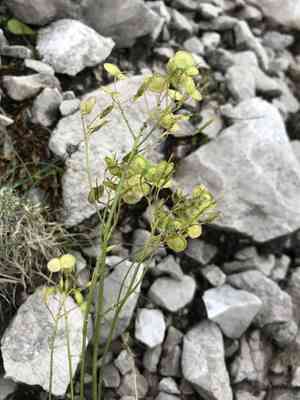
The most favorable times for transplanting buckler mustard are during the mild warmth of late spring or the gentle chill of mid-autumn, which facilitates robust root establishment. Select a brightly lit location featuring soil that drains effectively to encourage vigorous development after relocation.
What Preparations are Needed Before Transplanting Buckler Mustard?
What is the Ideal Time for Transplanting Buckler Mustard?
The prime period for moving buckler mustard spans from the initial growth phase of mid-spring to the vibrant conclusion of spring, or during the mild coolness of mid-autumn to the deeper quiet of late autumn. Opting for these seasons ensures buckler mustard establishes itself comfortably, benefiting from moderate temperatures and suitable soil conditions for strong root development. Refreshing spring rains or the consistent moisture of fall aid buckler mustard's recovery and growth after relocation. By timing it precisely, you provide buckler mustard the gentle boost it needs to thrive in its new location!
How Much Space Should You Leave Between Buckler Mustard Plants?
Greetings, fellow gardener! When placing buckler mustard in their new spot, aim to provide ample room. Position them approximately 6-12 inches (15-30 cm) apart, allowing their lovely foliage space to expand and flourish.
What is the Best Soil Mix for Buckler Mustard Transplanting?
For buckler mustard, envision preparing a cozy bed. Select soil that drains well, and enhance it with a balanced, slow-release fertilizer. Imagine you're crafting a nourishing mealâthat's what your soil should be for buckler mustard.
Where Should You Relocate Your Buckler Mustard?
Sunlight is beneficial for buckler mustard, yet like many relationships, moderation is key. Choose a location with full sun to partial shade. Picture where you'd relax with a good bookâsufficient sun for warmth, with a touch of shade to stay cool.
What Equipments Should You Prepare Before Transplantation Buckler Mustard?
Gardening Gloves
To safeguard your hands while handling soil and plants.
Hand Trowel
For excavating small holes and assisting with soil movement.
Spade or Shovel
For digging out the root ball when moving from the ground.
Watering Can or Hose
To hydrate the plant before and after relocation.
Pruning Shears
To trim any damaged roots or foliage.
Wheelbarrow or Garden Cart
To transport the plant and soil if necessary.
Mulch
To help retain soil moisture after transplanting.
How Do You Remove Buckler Mustard from the Soil?
How Do You Remove Buckler Mustard from the Soil?
From Ground: Water the buckler mustard plant the day prior to make the soil easier to work with. Use a spade or shovel to dig around the plant, being careful to keep a generous amount of soil around the roots. Gently lift the plant from the ground, ensuring the root ball remains intact.From Pot: Turn the pot on its side, hold the buckler mustard plant's base, and tap the bottom to loosen it. Gradually ease the plant out, supporting the root ball to prevent damage.From Seedling Tray: Water the buckler mustard plant, then use a hand trowel or fork to carefully lift the plant out of its cell, taking care not to harm the delicate roots.
Step-by-Step Guide for Transplanting Buckler Mustard
Preparation
Ensure all tools are readily available. Water the buckler mustard plant thoroughly before beginning the removal process to minimize transplant shock.
Digging The New Hole
Excavate a hole in the ground that is twice the width of the buckler mustard plant's root ball and of a similar depth to accommodate the roots without bending them.
Placing The Plant
Carefully position the buckler mustard plant in the center of the new hole. The top of the root ball should be level with the surrounding soil surface.
Backfilling
Fill in around the buckler mustard plant with the excavated soil, gently firming as you go to eliminate air pockets.
Watering
Water the buckler mustard plant thoroughly after planting to help settle the soil around the roots and provide necessary hydration.
How Do You Care For Buckler Mustard After Transplanting?
Watering
Maintain consistent moisture in the soil around the buckler mustard, ensuring it's hydrated but not waterlogged.
Mulching
Apply a layer of mulch around the base of the buckler mustard to help conserve moisture and suppress weeds.
Pruning
Prune any damaged or dead leaves to help the buckler mustard invest its energy in establishing new roots.
Observation
Regularly check the buckler mustard for signs of stress or disease and take action if needed to ensure healthy growth.
Troubleshooting Common Issues with Buckler Mustard Transplantation.
What's the best timing for transplanting buckler mustard?
Relocate buckler mustard during the mild warmth of mid-spring to late spring or the cool embrace of mid-fall to late fall.
How much space does buckler mustard need when transplanting?
Allow buckler mustard ample room to thrive by spacing them 6-12 inches (15-30 cm) apart.
Why are my transplanted buckler mustard wilting post-transplant?
Wilting may occur if roots were excessively disturbed. Ensure gentle handling and sufficient watering after transplanting.
Can I transplant buckler mustard in the summer?
It's best to avoid summer; transplant during cooler seasons to minimize stress and encourage root development.
How deep should I plant buckler mustard when transplanting?
Dig a hole as deep as the root ball and twice as wide to give buckler mustard a good start.
What soil type is best for transplanting buckler mustard?
Use well-draining soil, rich in organic matter, to provide buckler mustard with a nurturing environment.
How much should I water buckler mustard after transplanting?
Water thoroughly after transplanting to settle the soil around the roots, then maintain consistent moisture.
Should I fertilize buckler mustard after transplanting?
Wait a few weeks before fertilizing to avoid burning the roots, then use a balanced fertilizer.
Are there special care tips for buckler mustard after transplanting?
Protect buckler mustard from extreme weather and pests, and mulch to maintain soil moisture and temperature.
How do I handle buckler mustard with long roots when transplanting?
Trim excessively long roots slightly and spread them out in the planting hole to encourage growth.



