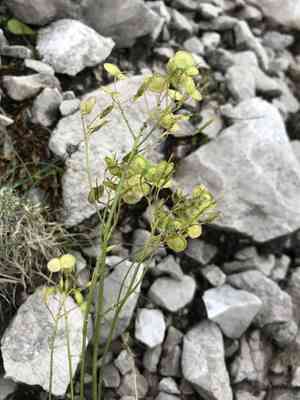
Buckler mustard (Biscutella laevigata)
Also known as: Common buckler-mustard
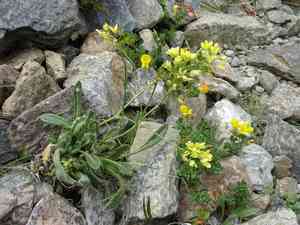
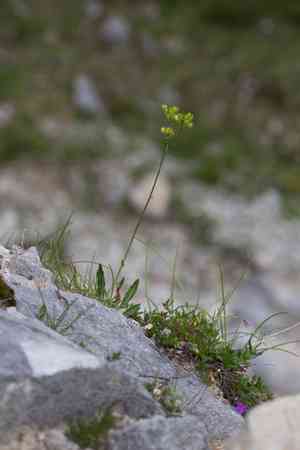
Buckler mustard is a perennial herb that can be found growing naturally in freshwater areas. The flower has simple, broad leaves, but boasts pretty yellow flower clusters on top of long, thin stems. It attracts the Moroccan Orange Tip butterfly.
In This Article
Attributes of Buckler mustard
Lifespan
Perennial
Plant Type
Herb
Plant Height
15 cm to 40 cm
Spread
N/A
Leaf Color
Green
Flower Size
6 mm to 1 cm
Flower Color
Yellow
Images of Buckler mustard
Quickly Identify Buckler mustard
1
This plant can be identified by its shield-like seed pods (which are distinctive to the Biscutella genus), basal rosette of oblong leaves, and bright yellow flowers. It typically blooms in late spring to early summer.
Scientific Classification of Buckler mustard
Phylum
Vascular plants
Class
Dicotyledons
Order
Brassicales
Family
Cruciferae
Genus
Biscutella
Species
Buckler mustard
Planting and Growing of Buckler mustard
Care Difficulty
Easy
Watering Schedule
Every 2 days
Sunlight Requirements
Partial sun
Sunshine Duration
4-8 hours
Ideal Temperature
50-70℉
Soil Type
Potting Mix, Peat Mix
Soil pH
6.5-7.5
Fertilizer Type
Balanced
Pruning Season
Spring, Summer
Pruning Area
Branches, Leaves
Pruning Frequency
2 times a year
Repotting Season
Spring
Pot Type
Plastic, Terracotta
 How to Water Buckler mustard?
Biscutella laevigata requires moderate watering. Aim to keep the soil slightly moist but never soggy. A deep watering until the water drains out of the bottom of the pot ensures that roots are completely nourished without drowning them.
What are the symptoms of an underwatered Buckler mustard?
›
What should I do if my Buckler mustard is not getting enough water?
›
What are the symptoms of an overwatered Buckler mustard?
›
How to save an overwatered Buckler mustard?
›
 What Are the Sunlight Requirements for Buckler mustard?
Partial sun exposure is ideal for Biscutella laevigata. This lighting promotes healthy growth while preventing leaf scorch from excessive direct sunlight exposure. Ideally, the plant should receive gentle morning sun, which supports robust development and blooming.
What is the ideal location for planting?
›
How can you ensure the plant gets ideal sunlight?
›
What benefits does the plant gain from the ideal lighting?
›
 What Is the Ideal Temperature Range for Buckler mustard?
The ideal temperature range for Biscutella laevigata is between 50°F and 70°F. Maintaining this temperature ensures optimal growth and flowering. The plant, native to alpine regions, prefers cooler conditions which mimic its natural habitat. These temperatures help provide the necessary energy for photosynthesis and overall plant vitality.
 What Soil is Best for Buckler mustard?
Biscutella laevigata thrives in well-drained soils. This condition prevents waterlogging, encouraging healthy root development and minimizing the risk of root rot. The plant benefits from nutrient-rich soils that supply essential minerals and nutrients, fueling its vigorous growth and enhancing its resilience against pests and diseases. This species prefers soil with moderate moisture retention, allowing it to receive adequate hydration without excess moisture that could lead to root diseases.
 How to Fertilize Buckler mustard?
For Biscutella laevigata, ensuring the correct amount of fertilizer is crucial. Typically, a balanced, dilute liquid fertilizer with a ratio of 10-10-10 can be applied. Use approximately 1/4 teaspoon per gallon of water during the active growing season. Remember, less is often more with fertilizing this plant to prevent nutrient burn.
 How to Prune Buckler mustard?
Start by identifying dead or diseased stems. These can be cut back to the base to prevent any disease from spreading. Clearing away these parts helps to direct the plant’s energy towards new and healthier growth. Shape your Biscutella laevigata by trimming back overgrown areas. Focus on maintaining a rounded form which can enhance airflow through the plant's interior. Be gentle and avoid cutting too much at once to keep the plant thriving. To promote a bushier appearance, cut just above the node or the point on the stem where a leaf is attached. This encourages side shoot development and results in a denser, fuller plant.
More About Pruning Techniques→
 How to Propagate Buckler mustard plant?
1
For Biscutella laevigata, use well-draining soil mixed with organic matter. The soil should be loose to promote root spread and should be slightly acidic to neutral in pH for optimal growth conditions.
2
Sow seeds in early to late spring directly into the seedling tray. They should be spaced evenly and lightly covered with soil. Water gently to prevent disturbance but maintain sufficient moisture for germination.
3
In spring, choose healthy, mature plants. Carefully dig them up and use pruning shears to divide the root clumps. Ensure each section has a good root system and at least one growth bud before replanting.
 How to Repot Buckler mustard plant?
1
Biscutella laevigata needs repotting when its roots start to seep through the drainage holes or it becomes pot-bound. Late spring or early autumn are ideal times to repot, as the plant is neither in full growth nor in dormancy, allowing it to quickly establish in its new container.
2
Select a pot that is 2 inches larger in diameter than the current one. Ensure it has ample drainage holes to prevent waterlogging. A terracotta pot is a great choice as it allows air flow to the roots, preventing rot and promoting healthy growth.
3
Opt for a well-drained soil mix; a combination of garden soil with perlite or sand works best. This composition ensures proper drainage, prevents waterlogging, and provides the nutrients necessary for Biscutella laevigata to thrive.
Learn More About Buckler mustard Diseases
Bacterial Leaf Spot
Bacterial Soft Rot
Bacterial Wilt
Clubroot
Crown Gall
Cyst Nematode
Damping-off
Downy Mildew
Drought Stress
Fusarium Wilt
Gray Mold
Leaf Spot
Mosaic
Nutrient Deficiency
Nutrient Toxicity
Powdery Mildew
Root Rot
Root-knot Nematode
Rusts
Sooty Mold
Spider Mites
Temperature Stress
Thrips Damage
White Mold
Chemical Injury



