How to Prune Buckler mustard?
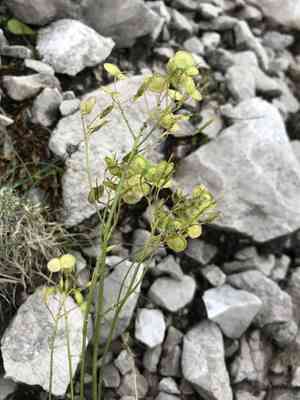
Distinguished by its spatulate seed capsules, buckler mustard flourishes with specific trimming methods. Remove withered or infected leaves as necessary to preserve the plant's well-being. Trim for form and dimensions following the blooming period, usually in spring, summer, or autumn, to stimulate robust development and enhance airflow. Strategic trimming also deters unwanted self-propagation. Utilizing clean, sharp cutting tools is crucial to prevent harm, facilitating rapid recuperation and abundant new growth.
What Are the Benefits of Pruning Buckler Mustard?
What Are the Benefits of Pruning Buckler Mustard?
Trimming buckler mustard promotes robust development and assists in preserving its desired form. Precise cuts enhance air circulation and light penetration, crucial for the plant's well-being and visual appeal.
What Is the Best Time for Pruning Buckler Mustard?
What Is the Best Time for Pruning Buckler Mustard?
Pruning buckler mustard in Spring coincides with the start of its active growth phase, enabling the plant to quickly recover and produce new shoots. This timing ensures that any dead or damaged material from winter is removed, fostering healthier and more vigorous development. Summer trimming is beneficial for buckler mustard, as it can improve air circulation and light penetration within the foliage after the initial spring growth spurt. This can also aid in shaping the plant and managing its size. Pruning during Fall is advantageous as it prepares buckler mustard for dormancy by eliminating any weakened or diseased sections, potentially reducing the likelihood of issues in the subsequent growing season. It is crucial that this pruning occurs early in the fall to prevent new growth that may not harden off before winter frosts.
What Tools Do I Need to Prune Buckler Mustard?
Hand Pruners
Buckler mustard is a relatively small plant and does not require heavy-duty tools. Hand pruners are suitable for making clean cuts on stems and removing any dead or diseased material. They provide precision and control, which is essential for maintaining the health and shape of buckler mustard.
Gardening Scissors
For finer or more delicate tasks, such as thinning out dense areas, gardening scissors can be an excellent choice. They allow for accurate snipping without causing unnecessary damage to the plant's smaller stems and foliage.
Pruning Shears
For any thicker stems that may be hard to cut with hand pruners or gardening scissors, a pair of pruning shears will give the extra leverage needed. They should be used cautiously to ensure the natural growth of buckler mustard is not disrupted.
How to Prune Buckler Mustard
Clean tools
Before pruning buckler mustard, sterilize pruning tools using a solution of 1 part bleach to 9 parts water to prevent the spread of disease.
Remove diseased parts
Identify and carefully remove any diseased leaves and branches by making clean cuts at an angle with sterilized pruning shears. Ensure that these are the first parts to be trimmed to avoid contamination.
Cut withered leaves
Trim off withered leaves at the base of the stem to promote healthy new growth. Use gentle snips to avoid damaging healthy parts of buckler mustard.
Eliminate dead branches
For dead branches, prune back to the point where healthy tissue is visible. Do not cut into the healthy tissue to prevent damage to buckler mustard.
Dispose trimmed material
After pruning buckler mustard, properly dispose of the diseased and dead material away from healthy plants to prevent the potential spread of pathogens.
Common Pruning Mistakes with Buckler Mustard
Over-pruning
Removing too much foliage can stress buckler mustard, hindering its growth and blooming potential. Aim to prune no more than one-third of the plant at a time.
Improper cuts
Cutting too close to the main stem may damage buckler mustard's central growth nodes. Always leave a small amount of the stem when removing branches to promote healing and prevent disease entry.
Disregarding plant structure
Not taking into account buckler mustard's natural shape can result in a poor aesthetic outcome. Understand the growth pattern before making cuts to maintain an attractive appearance.
Using blunt tools
Dull pruning shears can crush stems and branches, leading to damaged tissues which puts buckler mustard at risk for infection. Ensure tools are sharp for clean cuts.
Neglecting health-check
Failing to remove dead or diseased wood can affect buckler mustard's overall health. Regularly inspect and remove affected parts to maintain a healthy plant.
Common Pruning Tips for Buckler Mustard
Selective pruning
Carefully select branches for removal that are crossing, dead, or diseased to encourage buckler mustard's vitality. This targeted approach encourages better airflow and light penetration.
Cleanliness
Clean cuts help buckler mustard recover more quickly. Use sanitized pruning tools to minimize the risk of spreading pests or diseases among plants.
Sequential approach
Gradually prune buckler mustard over multiple seasons if significant reduction is needed. This reduces the shock to the plant and allows gardeners to shape the plant thoughtfully over time.
Conservation of flower buds
Be mindful of bud locations when pruning buckler mustard to avoid cutting off developing flowers, which would diminish the plant's display.
Aftercare
Following pruning, provide buckler mustard with adequate water and nutrients to support recovery and new growth. This ensures that the plant remains vigorous and performs well.



