How to Transplant Resin birch?
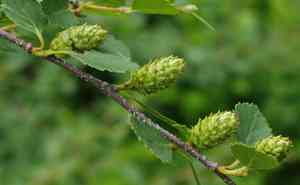
The ideal period for relocating resin birch spans from the initial spring thaw through the onset of summer's warmth, facilitating strong root development. Select a bright spot featuring soil that drains effectively. When shifting resin birch, ensure a generous amount of earth remains surrounding the roots to safeguard their fragile composition.
What Preparations are Needed Before Transplanting Resin Birch?
What is the Ideal Time for Transplanting Resin Birch?
The perfect time to move resin birch is during spring's awakening, specifically from when the ground thaws until early summer. Relocating resin birch in these mild months allows it to establish roots firmly before summer's heat, setting the stage for robust growth. By transferring resin birch in this favorable period, you ensure it benefits from cool soil and increasing daylight, helping it settle with minimal stress.
How Much Space Should You Leave Between Resin Birch Plants?
Hello, gardener! You'll want to give your resin birch ample room for their branches to spread. Aim to position them about 10-20 feet apart (3-6 meters). This way, they'll have sufficient space to grow and flourish without competing for sunlight or nutrients.
What is the Best Soil Mix for Resin Birch Transplanting?
For your resin birch, well-draining soil is crucial. Opt for a loamy or sandy mixture for optimal results. Before planting, enrich the soil with a balanced, slow-release fertilizer to give your resin birch a good start. No special skill needed - just mix it thoroughly into the soil!
Where Should You Relocate Your Resin Birch?
Regarding sunlight, resin birch enjoys a good sunbath! Select a spot in your garden where it can receive full sun to partial shade. This means an area where it will get direct sunlight for at least 4-6 hours daily. Your resin birch will show its appreciation with healthy development!
What Equipments Should You Prepare Before Transplantation Resin Birch?
Shovel or Spade
To excavate the plant from its original spot and to dig a new hole in the ground.
Gardening Gloves
To safeguard your hands while handling soil and the plant.
Watering Can or Hose
To hydrate the plant prior to removal and after replanting.
Wheelbarrow or Garden Cart
For moving the plant and soil.
Root Pruning Shears
To trim any damaged or excessively long roots.
Mulch
To help maintain soil moisture and reduce weed growth around the new location.
Bypass Pruners
For cutting back any excessive top growth if necessary.
How Do You Remove Resin Birch from the Soil?
How Do You Remove Resin Birch from the Soil?
From Ground: First, water the resin birch thoroughly the day before transplanting to facilitate the removal process. Use a shovel or spade to dig a wide trench around the plant, ensuring to go broad enough to minimize damage to the root ball. Gently work the tool beneath the root ball to lift the plant while preserving as much of the root system as possible.From Pot: Water the resin birch then gently tilt the pot sideways and tap the bottom to help loosen the root ball. Slide the plant out of the pot while supporting the base of the stem. If the plant is root-bound, gently separate the roots to encourage outward growth.From Seedling Tray: Water the seedlings to moisten the soil, making them easier to remove. Use a spoon or a dibber to gently lift each seedling from the tray, taking care not to harm the delicate roots and shoots.
Step-by-Step Guide for Transplanting Resin Birch
Preparation
Water your resin birch thoroughly a day before the transplant to reduce stress and hydrate the roots. Ensure all tools and materials are ready before beginning.
Removal
Follow the appropriate removal procedure based on whether resin birch is coming from the ground, a pot, or a seedling tray. Handle the plant and its roots with care to prevent damage.
Hole Preparation
Dig a hole in the new location that is twice as wide as the root ball and of the same depth. This will provide the roots ample space to spread.
Root Inspection
Gently examine the root system. Use root pruning shears to remove any dead or broken roots. If the roots are circling, gently tease them outwards.
Planting
Position resin birch in the center of the hole. The top of the root ball should be level with the surrounding soil surface. Backfill the hole with soil, gently tamping down to eliminate air pockets.
Watering
Water resin birch deeply immediately after planting to help settle the soil and provide hydration to the roots. Avoid overwatering which can lead to root rot.
Support and Protection
If necessary, stake the resin birch for additional support. Spread mulch around the base of the plant, leaving some space around the stem to prevent rot.
How Do You Care For Resin Birch After Transplanting?
Root Establishment
Monitor the soil moisture regularly. Water the resin birch when the top inch of soil feels dry to the touch. Overwatering can be as detrimental as underwatering, so maintaining a balance is crucial.
Mulching
Apply a layer of organic mulch around the base of resin birch to maintain soil moisture and temperature, and to suppress weeds. Avoid piling mulch against the stem to prevent rot.
Pruning
Prune any damaged or broken branches to redirect resin birch's energy into establishing its roots rather than repairing aboveground structures.
Protection
Protect resin birch from extreme conditions such as frosts or high winds until established. Consider temporary windbreaks or frost cloths if needed.
Troubleshooting Common Issues with Resin Birch Transplantation.
Why is my resin birch wilting after transplanting?
Wilting may occur if roots were damaged during the move or it's not receiving sufficient water. Gently water the soil to keep it moist, but not soggy.
When's the best time to transplant resin birch for optimal growth?
Aim to transplant resin birch when the thaw begins to recede, typically from late winter to early summer.
How far apart should I space resin birch saplings?
For healthy growth, maintain a clear space of 10-20 feet apart (3-6 meters), between resin birch saplings.
What should I do if the leaves of resin birch turn yellow after transplanting?
Yellowing leaves can indicate stress. Ensure the soil is well-draining, and resin birch isn't over or under-watered.
How deep should I plant the resin birch root ball?
The root ball should settle into a hole twice its width and identical in height, so it's level with the surrounding soil.
Can I transplant resin birch in fall?
Although feasible, resin birch prefers a springtime move when the soil is pleasantly cool and moist.
What is the ideal soil pH for transplanting resin birch?
Preferably, resin birch thrives in neutral to slightly acidic soil. Test your soil and adjust accordingly before transplanting.
How often should I water resin birch after transplanting?
Water generously right after transplanting, then regularly to maintain damp soil until resin birch is established.
Do I need to prune resin birch when transplanting?
Minimal pruning to remove damaged or diseased branches encourages healthy growth and reduces transplant shock.
Should I fertilize resin birch immediately after transplanting?
Hold off on fertilizing until resin birch has settled in and new growth appears, to avoid burning tender roots.



