How to Prune Resin birch?
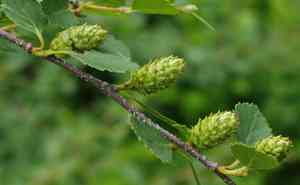
This leaf-shedding bush, recognized for its sleek bark and tiny, winged seeds, flourishes with careful trimming. For resin birch, the ideal period for pruning is in the early spring or late winter, leveraging its dormant state to minimize sap leakage and susceptibility to illness. Trimming efforts should concentrate on eliminating impaired or overly dense branches to foster robust development and preserve its form. Thinning cuts will enhance light access and air movement, boosting the resin birch's general well-being.
What Are the Benefits of Pruning Resin Birch?
What Are the Benefits of Pruning Resin Birch?
Trimming resin birch promotes robust development and helps maintain its desired form, ensuring a visually appealing and healthy plant structure. Regular cutting can prevent excessive growth and extend its lifespan.
What Is the Best Time for Pruning Resin Birch?
What Is the Best Time for Pruning Resin Birch?
Pruning resin birch in late winter, just before spring growth begins, is beneficial because the plant is still dormant, minimizing sap loss that can attract pests. Optimal pruning in early spring aids rapid wound healing, fostering stronger growth throughout the growing season. It also protects flower buds, preserving resin birch's ornamental value. Avoid autumn pruning to prevent stimulating new growth that might not harden off before winter, potentially causing plant injury.
What Tools Do I Need to Prune Resin Birch?
Hand Pruners (Secateurs)
These are ideal for cutting small branches and twigs of resin birch, typically up to 3/4 inch in diameter. Choose bypass pruners over anvil types for clean cuts without crushing stems.
Loppers
Loppers are suitable for trimming thicker branches of resin birch, up to 1 and 1/2 inches in diameter. Their long handles provide leverage for easier cutting and allow reaching higher branches without a ladder.
Pruning Saw
A pruning saw is essential for cutting branches larger than 1 and 1/2 inches in diameter. Its sharp teeth can manage the wood of resin birch without causing undue stress to the plant.
Pole Pruner
For higher branches of resin birch that are out of reach, a pole pruner allows for trimming without a ladder. This tool combines a saw and lopper mechanism on an extendable pole, making it versatile for various branch sizes.
Hedge Shears
If shaping hedges or creating a formal shape with resin birch, hedge shears can be used for trimming small twigs and foliage in bulk to ensure a neat and even finish.
How to Prune Resin Birch
Clean tools
Sanitize pruning tools to prevent the spread of disease when cutting resin birch.
Sanitize hands
Wash and disinfect your hands to avoid contaminating healthy parts of resin birch during the trimming process.
Remove diseased leaves
Carefully snip off diseased leaves from resin birch at their base, avoiding contact with healthy foliage to prevent infection spread.
Trim withered leaves
Cut back withered leaves to the nearest healthy part without damaging new buds or stems on resin birch.
Prune dead or diseased branches
Locate and remove dead and diseased branches by cutting them at the branch collar, ensuring clean cuts to promote healing on resin birch.
Common Pruning Mistakes with Resin Birch
Overpruning
Removing too much foliage from resin birch at once can weaken the plant, making it more vulnerable to environmental stress and disease.
Improper cut location
Cutting branches either too close or too far from the main stem can result in poor healing and potentially allow pathogens to enter the plant.
Tearing bark
When pruning, if not done carefully, the bark can tear, which impairs the resin birch's ability to transport nutrients and water.
Neglecting tools
Using dull or dirty pruning tools can create jagged cuts that harm resin birch and encourage disease.
Random cutting
Pruning without a clear plan or purpose can lead to unbalanced growth and affect the overall health and appearance of the resin birch.
Common Pruning Tips for Resin Birch
Clean cuts
Ensure cuts are made cleanly and at a slight angle to prevent water accumulation, which could lead to rot or disease.
Tool maintenance
Regularly clean and sharpen pruning tools before tending to resin birch to minimize damage and reduce the risk of spreading disease.
Prune dead wood
Always remove dead or diseased branches from resin birch to support the health and vigor of the plant.
Preserve structure
When pruning resin birch, aim to maintain its natural shape, focusing on thinning rather than topping to encourage balanced growth.
Consider growth pattern
Understand the growth habit of resin birch to make strategic cuts that will foster the desired form and size of the plant.



