How to Propagate Resin birch?
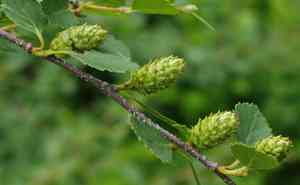
Resin birch can be effectively multiplied through the use of cuttings. To encourage the formation of roots, apply a rooting stimulant to the bottom of the hardwood cuttings prior to inserting them into a soil blend that drains efficiently. The best growth is observed in damp growing media under conditions of partial shade, fostering consistent progress and reducing strain on the nascent plants. Maintaining steady hydration and preventing excessive water accumulation are vital for the successful establishment of resin birch.
Optimal Time for Resin Birch Propagation
Propagation Method
Cutting
Propagation Period
Autumn,Winter
Tools for Resin Birch Propagation
Sharp Pruning Shears
Essential for making clean cuts on resin birch branches or twigs without harming plant tissues. These shears ensure cuttings are appropriately sized with smooth cuts, vital for successful rooting and infection prevention.
Rooting Hormone
This substance is crucial for boosting the rooting success of resin birch cuttings. It stimulates root growth at cut sites, promoting faster, stronger root development, which is key for new plant survival and establishment.
Sterile Potting Mix
Offers a clean, pathogen-free environment for planting resin birch cuttings. A well-draining yet moisture-retentive mix supports ideal moisture levels around new roots, encouraging effective root development without waterlogging, which can cause rot or fungal diseases.
Moisture Dome or Plastic Cover
Creates a humid microenvironment for resin birch cuttings, vital for preventing excessive moisture loss from leaves during the critical rooting phase. This tool helps maintain optimal humidity, encouraging cuttings to establish and grow.
Heating Mat
Ensures optimal soil temperature, enhancing root growth and accelerating the resin birch propagation process. By maintaining consistent, suitable warmth, the heating mat prevents cuttings from suffering cold, improving their overall health and rooting success.
Propagating Resin Birch
Propagation Type
Moderately Difficult
Post-Propagation Care for Resin Birch
How to Care for Your Newly Propagated Resin Birch?
Once resin birch cuttings have rooted, gradually introduce them to less humid conditions by opening the covering for increasing periods over a week. Transplant rooted cuttings into larger pots or a prepared garden spot with partial to full sunlight. Keep soil moist and shield young plants from extreme weather. Mulching helps retain soil moisture and stabilize temperature. Regular pest and disease monitoring is vital during early growth.
Common Errors in Resin Birch Propagation
Overwatering
Excessive watering of resin birch can lead to root rot and fungal diseases, damaging its root system and overall health, which are critical for successful propagation.
Deep planting
Planting resin birch cuttings or seeds too deeply can hinder proper germination and root development, potentially limiting necessary air exchange and causing decay before growth.
Ignoring pre-treatment
Failing to properly pre-treat resin birch seeds or cuttings can result in poor germination rates. Resin birch seeds, for example, typically require stratification to break dormancy.
Poor site selection
Choosing a propagation site that doesn't replicate resin birch's natural growing conditions (e.g., soil type, moisture level) can severely impact the chances of successful establishment and growth.
Tips For Propagating Resin Birch
Proper stratification
Treating resin birch seeds with cold stratification can significantly boost germination rates. This involves exposing seeds to cold temperatures for several weeks to simulate winter conditions.
Moisture control
Maintaining balanced moisture levels when propagating resin birch is crucial. Ensure the soil is consistently damp but not waterlogged to support healthy root development without encouraging rot.
Soil preparation
Preparing a soil mix that drains well yet retains sufficient moisture is key for resin birch propagation. Incorporating organic matter can enhance soil structure and nutrient availability.
Cuttings selection
Using healthy, disease-free cuttings from the current or previous year's growth increases the success rate of propagating resin birch. Ensure cuttings are from vigorous branches and include several nodes.



