How to Transplant Desert myrtlecroton?
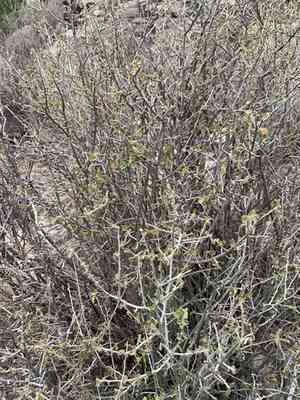
Desert myrtlecroton flourishes most effectively when relocated during the mild weather of early to late spring or early to late winter. Select bright, adequately draining spots to guarantee successful establishment. Preserve the root mass undisturbed to lessen transplant stress.
What Preparations are Needed Before Transplanting Desert Myrtlecroton?
What is the Ideal Time for Transplanting Desert Myrtlecroton?
For desert myrtlecroton, the best period for relocation is from early to late spring or early to late winter. These seasons offer prime soil conditions and moderate temperatures, which help reduce transplant shock and encourage strong root development. Moving the plant during these times ensures it has ample opportunity to adjust before severe heat or cold arrives.
How Much Space Should You Leave Between Desert Myrtlecroton Plants?
Ensure desert myrtlecroton are spaced 18-24 inches (45-60 cm) apart to allow ample room for growth and flourishing. This spacing promotes good air circulation, which helps prevent diseases and supports vigorous development.
What is the Best Soil Mix for Desert Myrtlecroton Transplanting?
For desert myrtlecroton, prepare a well-draining, slightly sandy soil, as this is their preferred type. Incorporate compost or a balanced base fertilizer to enrich the soil and supply vital nutrients.
Where Should You Relocate Your Desert Myrtlecroton?
Select a sunny location for transplanting desert myrtlecroton. They require at least 6-8 hours of direct sunlight daily to thrive. A bright spot will help them develop robustly and healthily.
What Equipments Should You Prepare Before Transplantation Desert Myrtlecroton?
Gardening Gloves
To safeguard your hands while handling soil and plants.
Shovel or Spade
For excavating around the plant and creating a trench for removal.
Garden Trowel
Used for precise digging and moving smaller quantities of soil.
Watering Can or Hose
To hydrate the plant before and after its relocation.
Bucket or Container
For transporting the plant if necessary.
Pruning Shears
To trim any damaged roots prior to transplanting.
Mulch
To aid in retaining soil moisture post-transplant.
How Do You Remove Desert Myrtlecroton from the Soil?
How Do You Remove Desert Myrtlecroton from the Soil?
From Ground: First, water the desert myrtlecroton plant to moisten the soil. Then, dig a wide trench around the plant using a shovel or spade, ensuring the plant's root ball remains intact. Carefully work the spade beneath the root ball to lift the plant from its original spot.From Pot: Water the desert myrtlecroton plant thoroughly to make the soil easier to manage. Gently tap the sides and bottom of the pot to loosen the soil. Tilt the pot sideways and tap it softly to slide the plant out, keeping the root ball whole.From Seedling Tray: Lightly water the seedling tray to facilitate removal. Use a garden trowel to carefully lift the seedlings from the tray, ensuring minimal disturbance to the roots.
Step-by-Step Guide for Transplanting Desert Myrtlecroton
Prepare the New Location
Ensure the new planting site is ready by digging a hole that is twice as wide and equally deep as the root ball of the desert myrtlecroton plant.
Remove the Plant
Follow the appropriate removal procedure based on the original location of the desert myrtlecroton plant.
Inspect the Roots
Examine the roots of your desert myrtlecroton plant for any damage and trim off any diseased or broken roots using pruning shears.
Transplant
Place the desert myrtlecroton plant in the new hole, ensuring it sits at the same depth as it was previously planted. Fill in the hole with soil, gently firming it around the base.
Water the Plant
Water the desert myrtlecroton plant thoroughly to help settle the soil and eliminate any air pockets around the roots.
Mulch
Apply a layer of mulch around the base of the desert myrtlecroton plant to help retain moisture and regulate soil temperature.
How Do You Care For Desert Myrtlecroton After Transplanting?
Watering
Keep the soil around the desert myrtlecroton consistently moist, but not waterlogged, for the initial few weeks after transplanting to aid in strong root establishment.
Monitoring
Regularly inspect the desert myrtlecroton plant for any indications of transplant shock, such as wilting or yellowing leaves, and adjust care as necessary.
Weeding
Keep the area surrounding the desert myrtlecroton plant free of weeds to reduce competition for nutrients and water.
Protection
Consider using temporary shading or windbreaks to shield the newly transplanted desert myrtlecroton plant from harsh weather conditions while it establishes.
Troubleshooting Common Issues with Desert Myrtlecroton Transplantation.
When is the best time to transplant desert myrtlecroton?
Relocate desert myrtlecroton from early spring to late spring or early winter to late winter.
What is the ideal spacing for desert myrtlecroton?
Space desert myrtlecroton 18-24 inches (45-60 cm) apart for optimal growth.
How do I prepare the soil before transplanting desert myrtlecroton?
Loosen the soil to 12 inches (30 cm) and mix in organic compost for better drainage.
Should I water desert myrtlecroton immediately after transplanting?
Yes, water desert myrtlecroton thoroughly right after transplanting to help settle the soil and reduce shock.
What should I do if desert myrtlecroton droops after transplanting?
Ensure it's well-watered and provide partial shade if needed; it usually recovers in a few days.
How deep should I plant desert myrtlecroton?
Plant desert myrtlecroton at the same depth it was growing previously to avoid stressing the roots.
Can desert myrtlecroton be transplanted in extreme weather?
Avoid transplanting in extreme heat or cold; ideal temperatures range between 50-70°F (10-21°C).
What should I do if desert myrtlecroton's roots appear damaged during transplanting?
Trim off any damaged roots with clean scissors and ensure the remaining roots are healthy.
Is mulching necessary after transplanting desert myrtlecroton?
Yes, applying mulch helps maintain soil moisture and temperature, aiding desert myrtlecroton's establishment.
How long does it take for desert myrtlecroton to settle after transplanting?
Typically, desert myrtlecroton takes a few weeks to establish but care will promote quicker recovery.



