How to Prune Desert myrtlecroton?
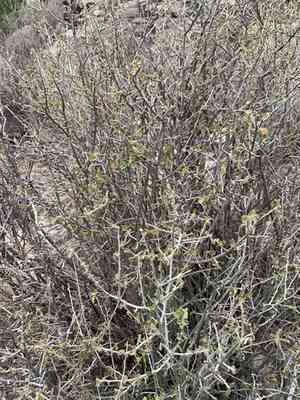
Desert myrtlecroton, a resilient, arid-tolerant shrub with fragrant foliage, necessitates trimming mainly in early spring or late winter. Concentrate on excising deceased or compromised limbs to preserve the plant's vitality and structure. It is advisable to perform pruning prior to the emergence of new shoots to prevent undue stress on the plant. Advantages encompass enhanced air circulation and a more appealing silhouette. Always employ sanitized, keen implements to avert pathogen spread and guarantee precise incisions.
Advantages of Trimming Desert Myrtlecroton
Advantages of Trimming Desert Myrtlecroton
Trimming desert myrtlecroton encourages robust development and helps preserve its form. This fosters a healthier specimen by eliminating dead or ailing branches, boosting air circulation, and optimizing sun exposure. Appropriate trimming can also deter pests and illnesses.
Optimal Period for Trimming Desert Myrtlecroton
Optimal Period for Trimming Desert Myrtlecroton
Trimming desert myrtlecroton during early spring and late winter is ideal since the plant is typically inactive then. This minimizes stress and allows for faster recuperation. Furthermore, pruning before the active growth phase begins in spring ensures the plant can direct its energy efficiently into new growth and development, enhancing its overall health and vigor. Trimming during these seasons also prevents disruption to any flowering or fruiting cycles, ensuring the plant's aesthetic and reproductive processes remain intact.
Required Tools for Trimming Desert Myrtlecroton
Hand Pruners
Perfect for slender stems and precise cuts, ensuring clean incisions to prevent harm. Best utilized for minor shaping of the plant.
Loppers
Suitable for thicker branches too large for hand pruners. Offers leverage for clean, accurate cuts on medium-sized branches.
Pruning Saw
Crucial for severing larger branches. Guarantees clean cuts that minimize damage to the plantâs tissues.
Gloves
Shields hands from potential sharp objects and thorns. Essential for safety when handling various branches during trimming.
Rubbing Alcohol
Important for sanitizing tools before and after use to prevent the spread of diseases.
How to Trim Desert Myrtlecroton
Examine
Thoroughly inspect desert myrtlecroton for diseased and shriveled leaves. Identifying problematic areas is vital before making any cuts.
Sanitize
Clean your pruning implements with a disinfectant solution to prevent disease transmission. This step is crucial for maintaining plant health.
Remove Diseased Leaves
Use sanitized pruning shears to carefully snip off diseased leaves near their base. Ensure complete removal to prevent recurrence.
Remove Withered Leaves
Trim away any shriveled leaves, cutting at the base or where they connect to the stem. Ensure no dead tissue remains on desert myrtlecroton.
Discard
Dispose of all trimmed leaves and debris away from the plant area. Proper disposal prevents the spread of pathogens or pests.
Common Trimming Errors with Desert Myrtlecroton
Excessive Trimming
Cutting too much foliage can stress desert myrtlecroton and hinder its growth and blooming. It is vital to avoid removing more than a third of the plant at any given time.
Incorrect Technique
Using dull or unclean tools can cause jagged cuts that do not heal properly, making desert myrtlecroton vulnerable to diseases and pests. Always use clean, sharp pruning shears.
Trimming at Wrong Branch Angles
Cutting branches at improper angles can lead to uneven growth and structurally weak branches. Ensure cuts are made at a slight angle just above a bud or branch to promote healthy growth.
General Trimming Advice for Desert Myrtlecroton
Routine Trimming
Regularly remove dead, diseased, or damaged branches to maintain the health of desert myrtlecroton. This not only enhances appearance but also allows the plant to focus its energy on new growth.
Improve Airflow
Thin out congested areas within desert myrtlecroton to enhance air circulation. This reduces the risk of fungal infections and pests, ensuring the plant remains healthy.
Strategic Shaping
Trim to maintain an appealing shape and size that complements your garden design. Aim to create an open, balanced structure that allows light to penetrate evenly.



