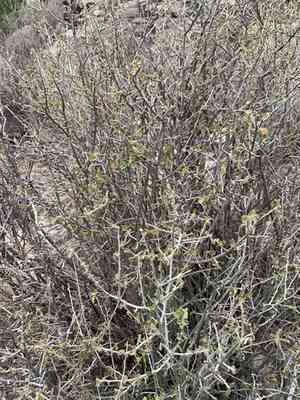
Desert myrtlecroton (Bernardia obovata)
Also known as: None
Desert myrtlecroton (Croton dioicus) is noteworthy for its irregular growth, which adds unique visual interest when used ornamentally. Ecologically, it plays a crucial role in its native Texas habitats, like the Chihuahuan Desert, by offering essential food and shelter in areas with sparse vegetation. This support is vital for sustaining various insects and small wildlife, thereby maintaining the delicate balance of these arid ecosystems.
In This Article
Attributes of Desert myrtlecroton
Lifespan
Perennial
Plant Height
Up to 1.5 meters
Spread
Approximately 1-2 meters
Leaf Color
Green
Flower Size
Small, less than 1 cm
Flower Color
Greenish or yellowish
Images of Desert myrtlecroton
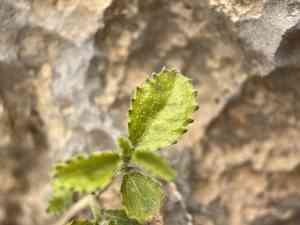
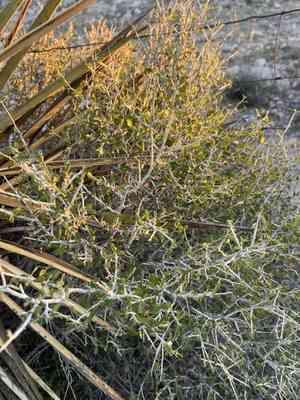
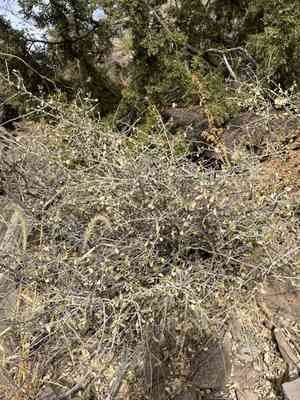
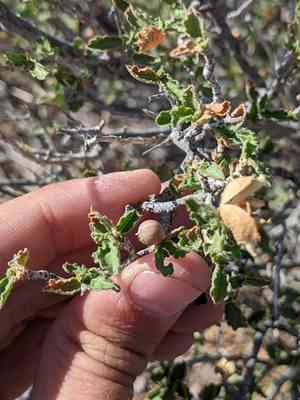
Quickly Identify Desert myrtlecroton
1
Identifying Bernardia obovata involves looking for its distinctive obovate (egg-shaped) leaves, which are broader near the tip and taper towards the base. The shrub has a branching pattern that is typically low to the ground.
Scientific Classification of Desert myrtlecroton
Phylum
Vascular plants
Class
Dicotyledons
Order
Malpighiales
Family
Spurge
Genus
Bernardia
Species
Desert myrtlecroton
Planting and Growing of Desert myrtlecroton
Care Difficulty
Moderate
Watering Schedule
Every 2 days
Sunlight Requirements
Partial sun
Sunshine Duration
4-6 hours
Ideal Temperature
68-77℉
Soil Type
Potting Mix, Peat Mix
Soil pH
6.5-7.5
Fertilizer Type
Balanced
Pruning Season
Spring, Summer
Pruning Area
Branches, Leaves
Pruning Frequency
2 times a year
Repotting Season
Spring
Pot Type
Ceramic, Plastic
 How to Water Desert myrtlecroton?
Bernardia obovata prefers a moderate amount of water, around 200 ml per watering session. It is important to water thoroughly until the soil is evenly moist but not waterlogged. The goal is to ensure that the water reaches the root zone.
What are the symptoms of an underwatered Desert myrtlecroton?
›
What should I do if my Desert myrtlecroton is not getting enough water?
›
What are the symptoms of an overwatered Desert myrtlecroton?
›
How to save an overwatered Desert myrtlecroton?
›
 What Are the Sunlight Requirements for Desert myrtlecroton?
Partial sun is recommended, ensuring 4 to 6 hours of sunlight each day. This supports the plant's physiological needs, promoting efficient photosynthesis and robust growth, leading to a healthier, more vibrant appearance.
Preferred Light Intensity
›
Solutions for Ideal Light
›
Achieving Perfect Growth Conditions
›
 What Is the Ideal Temperature Range for Desert myrtlecroton?
For optimal growth, Bernardia obovata thrives in temperatures ranging from 68 to 77 degrees Fahrenheit. This range helps ensure that the plant can photosynthesize effectively and maintain its metabolic processes without stress.
 What Soil is Best for Desert myrtlecroton?
Bernardia obovata thrives in well-draining soil to prevent root rot. This ensures that the roots breathe efficiently and absorb nutrients effectively, promoting healthy growth. Soil with moderate fertility supports Bernardia obovata by providing essential nutrients without overwhelming the plant, helping it maintain balanced growth throughout its lifecycle. This plant prefers soil with low salinity, as high salt content can hinder nutrient absorption and lead to leaf burn, ensuring the plant remains vibrant and healthy.
 How to Fertilize Desert myrtlecroton?
Bernardia obovata requires a balanced approach to fertilization. When applying liquid fertilizer, use a diluted formulation of 10-10-10 NPK at a rate of 1 tablespoon per gallon of water. For slow-release fertilizer, apply sparingly, using about 1 tablespoon per plant annually, particularly around spring and mid-summer.
 How to Prune Desert myrtlecroton?
Begin by locating any branches that appear dead or damaged. Removing these first will help direct more energy towards healthier parts of the plant, promoting robust growth. Next, focus on areas where the plant has become too dense or overgrown. Cut back these sections to enhance airflow and light penetration, benefiting the plant's overall well-being. Finally, shape Bernardia obovata to your desired form by selectively trimming branches. Consider the plant's natural growth habit to achieve a balanced and aesthetically pleasing look.
More About Pruning Techniques→
 How to Propagate Desert myrtlecroton plant?
1
Use a well-draining soil mix combined with perlite to enhance aeration. Moist the soil lightly before sowing seeds but ensure it is not waterlogged.
2
Sow seeds evenly across the prepared soil surface. Lightly cover them with a thin layer of fine soil and mist them gently to settle the seeds.
3
Choose a healthy, non-flowering stem. Cut a segment of about 4-6 inches at a 45-degree angle, ensuring there are several leaf nodes.
 How to Repot Desert myrtlecroton plant?
1
Repot Bernardia obovata when its roots begin to appear through the drainage holes, or when growth slows down significantly. Spring is ideal as the plant is exiting dormancy and entering an active growth phase, allowing it to better adjust to new soil.
2
Select a pot that is one size larger than the current one, with ample drainage holes. A pot too large can hold excess moisture, leading to root rot, while one too small will constrict growth. The right size encourages healthy growth and prevents overwatering issues.
3
Go for a well-draining soil mix with good aeration. A combination of potting soil, perlite, and a bit of sand or fine bark works well, ensuring the roots stay moist but not waterlogged, which supports healthy root development and plant vitality.
Toxicity
Ingestion
WARNING
The judgment on toxicity and danger is for reference only. We DO NOT GUARANTEE any accuracy of such judgment. Therefore, you SHALL NOT rely on such judgment. It is IMPORTANT TO SEEK PROFESSIONAL ADVICE in advance when necessary.
Learn More About Desert myrtlecroton Diseases
Anthracnose
Bacterial Leaf Spot
Bacterial Soft Rot
Bacterial Wilt
Black Spot
Chemical Injury
Crown Gall
Cyst Nematode
Damping-off
Downy Mildew
Drought Stress
Fusarium Wilt
Gray Mold
Leaf Curl
Leaf Spot
Mosaic
Nutrient Deficiency
Nutrient Toxicity
Powdery Mildew
Root Rot
Root-knot Nematode
Rusts
Sooty Mold
Spider Mites
Temperature Stress
Thrips Damage
White Mold



