How to Transplant Wintergreen barberry?
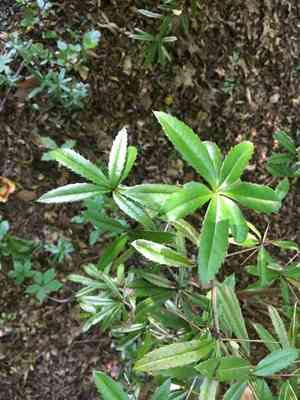
For wintergreen barberry, early spring, when the ground starts to thaw, presents the ideal window for relocation. Select a site offering full sun to partial shade and possessing good drainage to foster vigorous development. Exercise caution during handling to prevent harm.
What Preparations are Needed Before Transplanting Wintergreen Barberry?
What is the Ideal Time for Transplanting Wintergreen Barberry?
The optimal period for relocating wintergreen barberry is during early to mid-spring. At this time, the gradual warming of the soil promotes robust root growth, and mild temperatures aid recovery from transplant stress. Moving wintergreen barberry during this window allows its root system to expand before summer heat, fostering vigorous development. A successful transition during these months leads to a more vibrant and resilient wintergreen barberry, as it benefits from spring's nurturing conditions.
How Much Space Should You Leave Between Wintergreen Barberry Plants?
Excellent! Position your wintergreen barberry approximately 3-4 feet (0.91-1.22 meters) apart. This provides ample room for growth and development without competition for nutrients or sunlight. Remember to take your time and avoid overcrowding them.
What is the Best Soil Mix for Wintergreen Barberry Transplanting?
For wintergreen barberry, well-draining soil enriched with organic matter or compost is ideal. Begin by incorporating a base fertilizer to boost soil nutrients. This is like providing your plants with a nutritious meal to kickstart their new life!
Where Should You Relocate Your Wintergreen Barberry?
Aim to find a location where your wintergreen barberry will receive full to partial sun. If you can identify a spot in your garden that gets about 6-8 hours of sunlight, that's perfect! However, they can also adapt to some shade.
What Equipments Should You Prepare Before Transplantation Wintergreen Barberry?
Gardening Gloves
These will safeguard your hands while handling soil and plants.
Shovel or Spade
Used for excavating the new planting hole and extracting the plant from its original spot.
Watering Can or Hose
Necessary for hydrating the plant at various stages of the transplanting process.
Garden Trowel
Useful for managing smaller plants or working in confined areas.
Pruning Shears
Utilized for trimming roots or branches during relocation.
Mulch
To retain soil moisture and suppress weed growth after transplanting.
Wheelbarrow or Container
Helpful for transporting the plant if it is large.
How Do You Remove Wintergreen Barberry from the Soil?
How Do You Remove Wintergreen Barberry from the Soil?
From Ground: Start by watering the wintergreen barberry plant to moisten the soil. This facilitates easier movement with minimal root damage. Using a spade or shovel, dig a wide trench around the plant, ensuring the root ball remains intact. Work the spade beneath the root ball and gently lift the plant from its original position.From Pot: If the wintergreen barberry is in a pot, turn it sideways, hold it gently by the stems or base, and tap the bottom of the container until the plant slides out. Avoid pulling the plant out by its base, as this can cause harm.From Seedling Tray: If the wintergreen barberry is ready to move from a seedling tray, ensure it has a robust root system that will keep the soil together during transplantation. Using a small tool or your fingers, carefully pop the seedling out of the tray from the bottom, gently holding it by its leaves to prevent damage to the stem or roots.
Step-by-Step Guide for Transplanting Wintergreen Barberry
Prepare the New Location
Dig a hole that is twice the width of the plant's root ball and the same depth as its root system. The plant should sit at the same level in the new spot as it did in its original location.
Inspect Roots
Examine the roots for any indications of damage or disease, and trim as needed using pruning shears. This ensures a healthy transplant.
Planting
Lower the wintergreen barberry into the prepared hole, spreading its roots. Then, begin backfilling the hole with soil, gently firming it around the plant's base to provide support.
Watering
Once planted, thoroughly water the wintergreen barberry to settle the soil around the roots and minimize transplant shock.
Mulching
Finally, apply mulch around the base of the wintergreen barberry, ensuring it does not directly touch the stem, to help conserve soil moisture and regulate temperature.
How Do You Care For Wintergreen Barberry After Transplanting?
Monitoring
Closely observe the wintergreen barberry for several weeks following the transplant. Look for any signs of disease or stress, such as wilting, yellowing, or dropped leaves.
Water Management
The wintergreen barberry will require consistent watering, especially during the initial weeks after transplanting. Keep the soil around the wintergreen barberry consistently moist, but not waterlogged.
Pruning
If your wintergreen barberry experiences transplant shock and loses leaves, consider light pruning to reduce its water and nutrient demands, aiding its recovery.
Seasonal Care
Remember that the wintergreen barberry is a perennial plant. It needs varying care throughout the year - more water during the growing season, and less during its dormant period. Adjust your care routine accordingly!
Troubleshooting Common Issues with Wintergreen Barberry Transplantation.
What is the best time to transplant wintergreen barberry?
The ideal period for transplanting wintergreen barberry is between early Spring (S1) and late Spring (S2).
What is the ideal spacing when transplanting wintergreen barberry?
For optimal growth, allow a distance of 3-4 feet (approximately 1-1.22 meters) between wintergreen barberry plants.
What are the details about transplanting wintergreen barberry into a hole?
The wintergreen barberry root ball should be planted at the same depth as it was in its pot. The hole's width should be twice as wide.
How could I prepare the soil for transplanting wintergreen barberry?
Enrich the soil with compost or organic matter. Ensure it drains well as wintergreen barberry does not tolerate waterlogged conditions.
How much should I water wintergreen barberry after transplanting?
Water wintergreen barberry thoroughly immediately after transplanting. Continue to water regularly, ensuring the soil remains moist.
How much sunlight is ideal for recently transplanted wintergreen barberry?
Wintergreen barberry thrives in full to partial sunlight. Position it in a spot where it receives at least 6 hours of daylight.
What should I avoid while transplanting wintergreen barberry?
Avoid damaging the root ball and transplant shock by handling gently. Do not plant wintergreen barberry in soggy soil or excessively shady areas.
Are there any signs of transplant shock in wintergreen barberry?
If wintergreen barberry leaves begin yellowing or wilting post-transplant, it may indicate transplant shock. Minimize stress to help the plant recover.
Can I use fertilizer after transplanting wintergreen barberry?
Wait a few weeks after transplanting wintergreen barberry before applying a balanced, slow-release fertilizer in a diluted form.
What is the ideal temperature for wintergreen barberry post-transplant?
Wintergreen barberry prefers moderate to cool temperatures. It grows best in temperatures between 60°F - 70°F (15°C - 21°C).



