How Much Sunlight Do Wintergreen barberry Need?
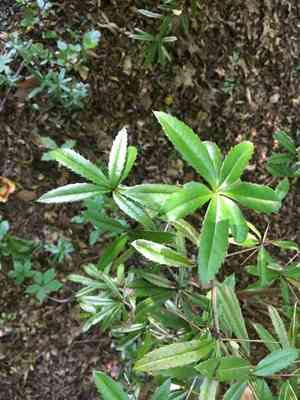
1
Wintergreen barberry flourishes in direct sunlight for peak development and vitality.
2
Some shade is acceptable, though it might affect the brilliance of blooms and leaves.
3
Strive for a minimum of 6 hours of sun each day to achieve optimal outcomes.
Why is Light Essential for Wintergreen Barberry?
Photosynthesis and Plant Development
Light is vital for Wintergreen barberry as it powers photosynthesis, the process where the plant converts light energy into chemical energy for growth. Without sufficient light, the plant cannot produce the glucose necessary for its development. Healthy photosynthesis results in robust foliage and overall plant vigor.
Effect on Blooms and Leaves
Light directly impacts the quality and quantity of Wintergreen barberry's flowers and leaves. Adequate light ensures vibrant, abundant blooms, making your plant a stunning visual addition to your garden. Conversely, insufficient light may lead to fewer flowers and pale, less appealing foliage.
Optimal Light Conditions for Wintergreen Barberry
Full Sun vs. Partial Shade: Which is Superior?
While Wintergreen barberry can endure partial shade, it flourishes best in full sun. Full sun means the plant receives direct sunlight for at least six hours daily. In contrast, partial shade involves some obstruction from structures, trees, or other plants, which can limit the light available to the barberry.
Ideal Daily Light Exposure
To ensure your Wintergreen barberry thrives, aim for at least six hours of direct sunlight each day. This duration of light exposure supports strong growth, vibrant foliage, and prolific flowering. However, in particularly hot climates, some afternoon shade can shield the plant from excessive heat stress.
Seasonal Light Requirements
Wintergreen barberry generally requires consistent light year-round, but intensity and duration can vary. During peak growing seasons in spring and summer, full sun helps the plant achieve its growth potential. In the cooler months of fall and winter, reduced light is less of a concern as the plant's growth rate slows.
Indicators of Poor Light Exposure in Wintergreen Barberry
Identifying Sunburn and Overexposure
Excessive exposure to intense light can cause sunburn in Wintergreen barberry. Signs of sunburn include scorched or brown patches on the leaves. If you notice these symptoms, consider providing some afternoon shade to prevent further damage. Regularly inspect the plant for signs of stress, especially during peak summer months.
Symptoms of Insufficient Light
Inadequate light can lead to several problems in Wintergreen barberry. Common symptoms include leggy growth, sparse foliage, and a lack of blooms. The plant may also develop weak, pale leaves. If you observe these signs, try moving the plant to a sunnier location or pruning surrounding vegetation to improve light access.
Tips for Managing Light for Wintergreen Barberry
Positioning Your Plant
When planting Wintergreen barberry, select a spot that receives ample light throughout the day. South or west-facing areas typically offer the best light conditions. Avoid locations shaded by large trees or buildings, as these can significantly reduce the plant's light exposure.
Utilizing Shades and Reflectors
In regions with extremely hot climates, temporary shade structures can help protect Wintergreen barberry from intense midday sun. Additionally, using reflective materials to direct more light towards the plant can be beneficial in partially shaded areas. These techniques can balance light levels and prevent heat damage.
Preparing for Seasonal Changes
As seasons change, so do light patterns. Monitor your Wintergreen barberry's light conditions throughout the year and adjust as needed. During the summer, consider providing some afternoon shade, while in winter, you might remove any barriers that block light to maximize exposure during shorter days.



