How to Transplant Red barberry?
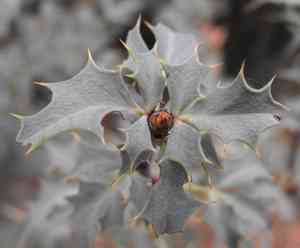
Relocate red barberry from early spring through late spring to ensure the best root development. Select a bright spot that drains well. During the move, focus on safeguarding the roots to preserve the plant's strength.
What Preparations are Needed Before Transplanting Red Barberry?
What is the Ideal Time for Transplanting Red Barberry?
The optimal period for moving red barberry extends from the onset of early spring to the peak of late spring. This timeframe fosters strong root development, as the mild soil and gentle weather create an ideal setting, allowing the plant to adapt smoothly before summer's intense heat arrives. Carefully relocating red barberry during this season ensures a gentle transition, as moderate temperatures and increased rainfall support their recuperation and growth, providing perfect conditions for a successful transplant.
How Much Space Should You Leave Between Red Barberry Plants?
When planning the spacing for your red barberry plants, aim for a comfortable yet ample arrangement. Each red barberry will thrive best with approximately 4-6 feet (1.2-1.8 meters) between adjacent plants. This will provide your red barberrys sufficient room for their roots and branches to expand as they mature.
What is the Best Soil Mix for Red Barberry Transplanting?
Your red barberry will flourish in soil that drains well and is rich in nutrients. Preparing the ground with a blend of garden soil and compost will create an inviting home for your plant. A general-purpose, slow-release fertilizer can serve as an excellent initial feeding for your red barberry.
Where Should You Relocate Your Red Barberry?
For a thriving red barberry, select a sunny spot in your garden that receives at least 6 hours of daily sunlight. A location that gets morning sun and partial afternoon shade would be perfect, ensuring your red barberry receives adequate light without becoming overheated.
What Equipments Should You Prepare Before Transplantation Red Barberry?
Shovel or Spade
For excavating the plant from the ground or container without harming its roots.
Garden Fork
Useful for loosening the soil surrounding the root ball.
Watering Can or Hose
To hydrate the plant before and after relocation to lessen transplant shock.
Shears or Pruning Saw
To trim any broken or damaged roots or branches.
Wheelbarrow or Garden Cart
To conveniently transport the plant and soil.
Gardening Gloves
To safeguard your hands while working with the soil and plant.
Gardening Trowel
For smaller, more precise tasks, especially if moving from a seedling tray.
How Do You Remove Red Barberry from the Soil?
How Do You Remove Red Barberry from the Soil?
From Ground: First, water the red barberry plant to moisten the soil. This will facilitate digging and help maintain the integrity of the root ball. Dig a wide trench around the plant using a shovel or spade, ensuring the plant's root ball remains intact. Use a garden fork to loosen soil beneath the root ball, then gently lift the plant from its original spot.From Pot: Begin by watering the red barberry plant. Turn the pot on its side and gently tap the bottom and sides to dislodge the plant. If needed, run a trowel around the inner edge of the pot to help free the root ball, then carefully ease the plant out, supporting the plant at its base as you do so.From Seedling Tray: Water the seedlings beforehand to simplify removal. Use a gardening trowel or your fingers to carefully lift the seedling from the tray, taking care not to injure the delicate roots.
Step-by-Step Guide for Transplanting Red Barberry
Preparation
Ensure all necessary tools and equipment are ready for a smooth operation. Check the weather and avoid transplanting during harsh conditions.
Root Ball Management
When extracting the red barberry from its initial location, minimize root damage. For larger plants, use a shovel to dig a generous perimeter around the root ball; for smaller plants, a gardening fork or trowel may suffice.
Excavating New Site
Dig a hole in the ground that is twice as wide and equally as deep as the root ball. This will allow the roots ample space to expand into loose soil. Avoid adding fertilizers or amendments at this stage.
Placing the Plant
Carefully position the red barberry in the center of the new hole. The top of the root ball should be level with the surrounding ground to prevent water accumulation.
Backfilling
Fill the hole with the same soil that was removed. Gently firm the soil around the base of the red barberry to eliminate any large air pockets.
Establishment
Water the red barberry thoroughly after planting. This helps settle the soil around the roots and initiates the establishment process. Skip fertilization as the roots require time to recover.
How Do You Care For Red Barberry After Transplanting?
Monitoring
Regularly inspect the red barberry for signs of stress, such as wilting or yellowing leaves, and provide appropriate care.
Watering
Establish a watering routine that keeps the soil consistently moist, which aids the red barberry in recovery and growth. Prevent overwatering to avoid root rot.
Mulching
Apply a layer of organic mulch around the base of the red barberry, which will help retain moisture and regulate soil temperature.
Pruning
Trim any dead or dying branches to encourage the red barberry to direct its energy into developing new growth.
Troubleshooting Common Issues with Red Barberry Transplantation.
When is the best time to transplant red barberry?
Optimal periods are during the mild conditions of early to late spring, prior to the summer heat.
What spacing should I leave between red barberry plants?
Ensure to space your red barberry approximately 4-6 feet (1.2-1.8 meters) apart to allow for proper development.
Why is my red barberry wilting after transplanting?
Wilting could be a symptom of transplant shock. Keep the soil moist and provide shade to aid recovery.
My red barberry looks dry, what should I do?
A dry appearance often indicates a need for more water. Water deeply to reach the root zone.
Should I trim red barberry when transplanting?
Yes, prune back a third of the plant to lessen transplant stress and stimulate new growth.
Can I transplant red barberry in the fall?
It's preferable to transplant in spring. Fall transplants risk damage from winter weather.
What soil type is best for red barberry after transplanting?
Ensure well-draining soil with some organic matter for the best start after transplanting.
How often should I water red barberry post-transplant?
Water every couple of days to keep soil moist until new growth appears; then adjust as needed.
How deep should the new hole for red barberry be?
The new hole should be just deep enough so that the plant sits at the same level it was growing previously.
Why are my red barberry's leaves turning yellow after transplanting?
Yellow leaves may indicate overwatering or inadequate drainage. Adjust watering and check for proper soil drainage.



