How to Prune Red barberry?
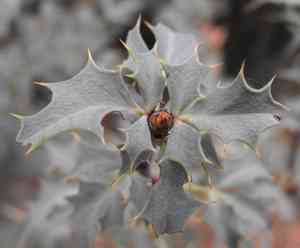
This spiny, arid-resistant bush is recognized for its vibrant fruit and golden blossoms. To preserve the form of red barberry, perform pruning in winter while it is inactive. Remove aged wood to stimulate fresh development and blooming. Sever any branches that are intertwined, harmed, or ailing to enhance air movement. Trimming also fosters a more compact structure and boosts berry yield. Refrain from over-pruning to retain its inherent shape, concentrating on deliberate, calculated cuts for the plant's well-being and visual appeal.
Advantages of Trimming Red Barberry
Advantages of Trimming Red Barberry
Trimming red barberry promotes robust development by eliminating dead or weak limbs, stimulating fresh growth. It aids in preserving the plant's form, ensuring it stays appealing and well-proportioned in the landscape.
Optimal Period for Pruning Red Barberry
Optimal Period for Pruning Red Barberry
Late winter is the ideal time for pruning red barberry as the plant is dormant, minimizing stress and potential harm to its structure. Pruning during dormancy helps foster vigorous growth in the subsequent growing season and ensures cuts heal faster without depleting the plant's energy reserves needed for spring growth. Furthermore, since red barberry may have shed its leaves by this point, the plant's framework is more visible, allowing for more precise cuts. Pruning in late winter also prevents sap loss, which can occur in spring when the plant begins active growth. Additionally, removing any dead or diseased branches before new growth emerges helps maintain the overall health and appearance of red barberry, and reduces the risk of pest and disease infestation that can be more prevalent in warmer months.
Tools Required for Pruning Red Barberry
Hand Pruners
Suitable for making clean cuts on small to medium-sized branches of red barberry, which is crucial for maintaining plant health and promoting good growth habits.
Loppers
Ideal for cutting thicker branches that hand pruners cannot handle. Their longer handles provide the leverage needed to prune larger stems of red barberry without causing strain to the gardener.
Pruning Saw
Necessary for removing any dead or large branches from red barberry, where hand pruners and loppers are ineffective. A pruning saw can make quick work of thick branches and prevent tearing or damaging the plant.
Gloves
Essential for protecting hands from red barberry's thorns while pruning, ensuring that the gardener can perform the task safely.
Pruning Shears (if necessary for shaping)
Can be used for shaping red barberry if a more precise or aesthetic trim is desired after the initial pruning with hand pruners and loppers.
How to Prune Red Barberry
Cleaning
Sanitize pruning tools before starting to prevent the spread of disease when trimming red barberry. Use a solution of one part bleach to nine parts water or rubbing alcohol to wipe down blades.
Removal of withered leaves
Carefully remove any withered leaves from red barberry by snipping them at the base where they meet the stem or branch, using clean, sharp hand pruners or scissors.
Removal of dead branches
Identify dead branches on red barberry by their brittle nature and dull, lifeless appearance. Use bypass pruners or a pruning saw for thicker branches, making clean cuts at a slight angle just above a healthy bud or the branch collar without leaving a stub.
Removal of diseased branches
Cut away any diseased branches from red barberry as soon as they are noticed to prevent the spread of infection. Trim well below the affected area, at least several inches into healthy wood, and dispose of the cuttings responsibly.
Maintenance pruning
Thin out the interior of red barberry to improve air circulation by selectively removing some of the denser, nonproductive branches. Make cuts at the point of origin or to an outward-facing bud to encourage a better branching structure.
Common Pruning Mistakes with Red Barberry
Over-Pruning
Removing too much growth at once can stress red barberry, leading to weak new growth or reduced flowering.
Improper Tool Usage
Using dull or unclean tools can cause unnecessary damage to the branches and may introduce disease.
Flush Cutting
Cutting branches flush against the main stem can harm red barberry by removing the branch collar, which is essential for proper healing.
Topping
Cutting branches arbitrarily without considering natural shape can result in poor growth patterns and a less aesthetically pleasing red barberry.
Neglecting Deadwood
Failing to remove dead or diseased wood can inhibit healthy growth and leave red barberry vulnerable to pests and diseases.
Common Pruning Tips for Red Barberry
Selective Pruning
Thin out crowded branches to increase light penetration and air circulation, which will benefit the overall health of red barberry.
Sharp Tools
Always use sharp, clean pruning shears to make clean cuts that will heal more efficiently, reducing the risk of disease.
Cutting Angle
Make cuts at a 45-degree angle, just above an outward-facing bud, to guide the new growth outward and maintain the natural shape of red barberry.
Branch Collar
Leave the branch collar intact when removing larger branches to promote faster healing and prevent decay.
Regular Maintenance
Regularly remove dead or damaged stems as well as any suckers to maintain the vigor and appearance of red barberry.



