How to Transplant Yakooro?
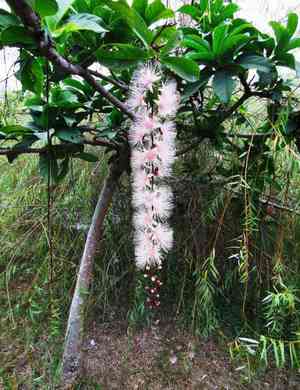
The most suitable period for relocating yakooro is during the revitalizing phase of early to mid-spring, when its growth capacity is maximized. Select a site offering abundant sunlight to partial shade and sufficient hydration. Careful manipulation is crucial to safeguard its delicate root system.
Essential Preparations Before Relocating Yakooro?
Optimal Period for Yakooro Relocation?
The best time to move yakooro is at the beginning or peak of spring. This timeframe provides a gentle adjustment for the plant to settle. Moving yakooro during these months leverages mild temperatures and increasing daylight, which support root development and lessen transplant stress. Trust this season to give your yakooro the best start in its new spot.
Recommended Spacing Between Yakooro Plants?
When moving yakooro, maintain a distance of approximately 25-30 feet (7.6-9.1 meters) between each plant. This allows each to thrive without competing for resources. Proper spacing also ensures they can fully extend their beautiful foliage without becoming too crowded.
Ideal Soil Blend for Yakooro Relocation?
For yakooro, a rich, well-draining soil is most suitable. Composted organic material as a base fertilizer should supply optimal nutrients for yakooro's development. To improve soil structure and moisture retention, mix in a generous amount of compost. Remember, a healthy plant begins with good soil!
Where to Position Your Yakooro?
Select a spot with full to partial sun exposure for your yakooro. They thrive in sunlight and require at least 6 hours daily for optimal growth. Keep them away from shaded areas, or their growth may be hindered. And always remember, every plant has its perfect sunny spot.
Equipment Needed Before Transplanting Yakooro?
Gardening Gloves
To safeguard your hands during your transplanting efforts.
Shovel or Spade
For digging holes and carefully exposing the plant's roots without causing harm.
Hand Trowel
Perfect for gently extracting the yakooro plant from containers or a seedling tray.
Pruning Shears
To trim any damaged or excessively long roots.
Gardening Fork
Useful for loosening the soil around the yakooro plant in its original location.
Bucket or Container
To transport and temporarily hold the yakooro plant during relocation.
Watering Can or Hose
For hydrating the plant before and after the transplant.
How to Extract Yakooro from the Soil?
How to Extract Yakooro from the Soil?
From Ground: Begin by using a gardening fork to loosen the soil surrounding the yakooro plant. Be careful not to harm the root system. Once the soil is sufficiently loose, use a shovel or spade to dig around the plant, ensuring you go deep enough to encompass the entire root system. Gently lift the plant from the ground.From Pot: If your yakooro plant is in a pot, watering it beforehand will simplify the process. Tilt the pot sideways, supporting the plant with your hand, and tap the bottom to slide the plant out. If it's stuck, use a hand trowel to carefully ease it out of the pot. Be mindful of damaging the roots during this step.From Seedling Tray: Similar to pots, water the tray before transplanting. Use a trowel or a comparable tool to carefully lift the seedling out, taking extra care not to harm the delicate young roots.
Step-by-Step Guide for Relocating Yakooro
Prepare the New Location
Before even removing your yakooro plant from its initial spot, get the new site ready. Dig a hole that is twice the width of the plant's root ball and of the same depth.
Remove the Plant
Follow the removal procedures outlined above based on the original placement of your yakooro plant. Be sure to handle the plant and its roots with care.
Position and Plant
Carefully place the yakooro plant in the center of your hole, ensuring the top of its root ball is level with the ground. Backfill the hole with the excavated soil and gently pat to firm the soil around the plant's base.
Water Thoroughly
Generously water the plant once it is in its new location, making sure the soil is moist but not waterlogged.
Post-Transplant Care for Yakooro?
Patience
The most crucial aspect to remember after relocating your yakooro plant is that it will require some time to adapt to its new environment. It's normal if it doesn't show immediate active growth. Just observe it closely to ensure it's adjusting well.
Watering
Water the yakooro plant immediately after transplanting and then regularly thereafter. Transplanting can be stressful for plants, and maintaining moist soil can help alleviate this stress. However, be careful not to overwater or flood the plant, as this can lead to root rot.
Growth Monitoring
Continuously check the growth of your yakooro plant. If you notice any yellowing or wilting leaves, assess the water and plant's condition, as it may need more attention or a different care approach.
Pruning
Trim off any dead or dying leaves after transplantation. This helps the yakooro plant direct its energy towards developing new roots and foliage.
Addressing Common Yakooro Transplantation Issues.
When is the optimal time to transplant yakooro?
Transplant yakooro during S1-S2 seasons. This is the ideal window for your plant to establish roots before extreme weather changes.
What soil type does yakooro prefer for transplanting?
Yakooro thrives in well-drained soil, rich in organic matter. Ensure the soil pH is slightly acidic to neutral for optimal results.
How to ensure ideal conditions for yakooro after transplanting?
After transplanting, ensure yakooro receives ample sunlight. Also, maintain a moderate watering schedule, avoiding waterlogged soils to prevent root rot.
What is the recommended spacing for yakooro during transplanting?
Aim to place yakooro approximately 25-30 feet (about 7.6-9.1 meters) apart. This provides sufficient space for its growth and prevents overcrowding.
How deep should the hole be when transplanting yakooro?
The hole should be twice as wide and the same depth as the root ball. This gives yakooro enough room to establish its root system.
What care should be taken when handling yakooro during transplanting?
Handle yakooro gently to avoid damaging the root ball. This is critical during transplant, as any damage could lead to the plant's demise.
How can I prevent transplant shock in yakooro?
Transplant shock can be minimized through proper watering, soil preparation, and care. Additionally, using root-promoting fertilizers can aid in recovery.
How vital is watering yakooro after transplanting?
Watering is essential after transplanting yakooro. Ensure the soil is damp but not waterlogged. Adjust the frequency based on weather conditions.
What signs indicate a successful yakooro transplant?
Signs of success include new growth, healthy coloration, and the absence of wilted or dead leaves. Furthermore, the plant should stand upright without support.
Can yakooro be transplanted into a pot?
Yes, yakooro can be grown in containers. However, ensure the pot's depth and diameter can accommodate its growth. The pot should also have adequate drainage.



