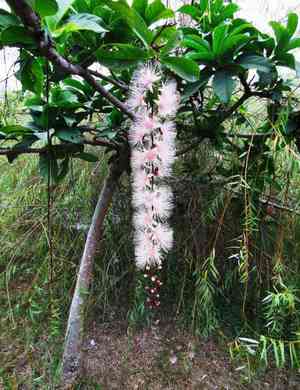
Yakooro(Barringtonia racemosa)

Yakooro (Barringtonia racemosa)

Also known as: Putat kampung, Derbyshire pine, Fish-killer tree, Fish-poison tree, Freshwater mangrove

In some regions of Australia, the indigenous name for Barringtonia racemosa is "yakooro." This plant is widespread in tropical regions worldwide. Its roots, bark, and seeds are notably toxic and have been traditionally used to stun fish. Additionally, the bark of the yakooro tree can be utilized to make ropes and cords.

Attributes of Yakooro

Lifespan
Perennial
Plant Type
Tree
Plant Height
4.5 m to 15 m
Spread
4.5 m
Leaf Color
Green
Flower Size
5 cm to 8 cm
Flower Color
White Pink

ForwardPlant - Identify plants with a snap

Identify and diagnose plants, get toxicity alerts, and explore safety guides for all types of fungi.

Try for Free

Images of Yakooro

Yakooro(Barringtonia racemosa)

Quickly Identify Yakooro

1
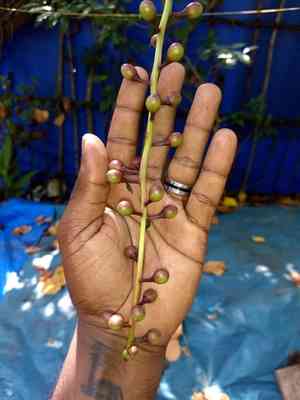
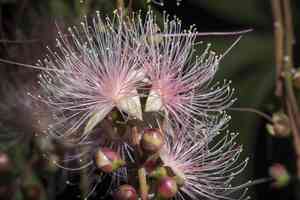
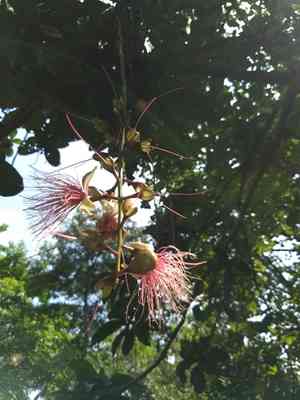
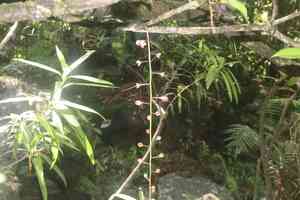
The tree can be identified by its long racemes of puffy, fragrant flowers, typically white with pink or red tinges. The leaves are obovate, glossy, and dark green with a leathery texture. The bark is rough and gray-brown.

Scientific Classification of Yakooro

Phylum
Vascular plants
Class
Dicotyledons
Order
Ericales
Family
Brazil-nut
Genus
Barringtonia
Species
Yakooro

Planting and Growing of Yakooro

Care Difficulty
Moderate
Watering Schedule
Every 2 days
Sunlight Requirements
Partial sun
Sunshine Duration
4-8 hours
Ideal Temperature
68-86℉
Soil Type
Potting Mix, Peat Mix
Soil pH
6.5-7.5
Fertilizer Type
Balanced
Pruning Season
Spring, Summer
Pruning Area
Branches, Leaves
Pruning Frequency
2 times a year
Repotting Season
Spring
Pot Type
Plastic, Ceramic

water icon How to Water Yakooro?

Ensure that each watering session for Barringtonia racemosa involves a thorough soaking, where soil is moistened to a depth of at least 15 cm. This ensures root access to sufficient moisture without creating a waterlogged environment.
What are the symptoms of an underwatered Yakooro?
What should I do if my Yakooro is not getting enough water?
What are the symptoms of an overwatered Yakooro?
How to save an overwatered Yakooro?

sunlight icon What Are the Sunlight Requirements for Yakooro?

Sunlight Requirements: Partial sun
Duration of light: 4 to 6 hours daily
Ideally, Barringtonia racemosa should receive partial sun, which means about 4 to 6 hours of sunlight daily. This supports robust growth, vibrant leaf color, and prolific blooming, consistent with its native shade-dappled environments.
Optimal Light Quantity
Achieving Partial Sun
Benefits of Ideal Light
More About Sunlight Requirements Techniques

temperature icon What Is the Ideal Temperature Range for Yakooro?

Ideal Temperature: 68 ~ 86℉
Barringtonia racemosa thrives best in temperatures ranging from 68 to 86 degrees Fahrenheit. This range allows for optimal physiological processes necessary for growth, including photosynthesis and transpiration. Maintaining this temperature helps in achieving lush foliage and healthy blooms.

soil icon What Soil is Best for Yakooro?

Soil type: Loam, Sandy loam
Soil PH: 6.5 ~ 7.5
Barringtonia racemosa thrives in soils that can retain moisture but also provide good drainage. This particular requirement ensures that the plant roots have access to adequate water without becoming waterlogged, promoting healthy growth and flowering. A nutrient-rich soil foundation is critical for Barringtonia racemosa, as it supports the plant's robust growth and development. Infusing the soil with organic matter such as compost or well-rotted manure can offer a wealth of benefits, including enhanced fertility and improved soil structure. Soil that offers good aeration is essential for Barringtonia racemosa to develop strong roots. Aerated soil allows oxygen to reach the roots and facilitates the exchange of gases, thereby reducing the risk of root rot and encouraging healthy root development.

fertilize icon How to Fertilize Yakooro?

Fertilizer type: Balanced
Barringtonia racemosa benefits from a careful balance in fertilization. When using liquid fertilizers, apply a half-strength solution at the recommended frequency to avoid nutrient burn. For slow-release fertilizers, follow the manufacturer's guidelines, but generally, a small handful per application is effective, especially during the growing season.

prune icon How to Prune Yakooro?

Pruning Time: Spring, Summer
Select branches that are dead, diseased, or damaged and remove them first. This encourages healthier growth and prevents the spread of disease within the plant. Make sure to make clean cuts close to the base of the branch. Focus on creating an open, airy canopy by thinning out overcrowded branches. This improves light penetration and air circulation, which is crucial for the internal health of the plant. It's best to start from the top and work your way downward, maintaining a natural shape. More About Pruning Techniques

propagate icon How to Propagate Yakooro plant?

Propagate Time: Early spring, Late spring, Early summer
1
Collect seeds from mature Barringtonia racemosa fruits. Clean and dry them thoroughly to prevent mold and store them in a cool place until ready to plant.
2
Use a well-draining mix like a combination of sand and compost. Ensure the soil is slightly acidic to neutral, as this suits the germination requirements of the seeds.
3
Sow seeds about 1-2 cm deep in prepared trays and water lightly. Maintain consistent soil moisture but avoid overwatering, which can lead to seed rot.
More About Propagating Techniques

repot icon How to Repot Yakooro plant?

Repotting frequency: Every 1-2 years
1
Barringtonia racemosa should be repotted when you notice roots are tightly compacted or growing out from the drainage holes. It's vital to switch pots during spring or summer, when the plant is actively growing, to minimize stress and ensure quick recovery.
2
Select a pot that is only slightly larger than the current one to prevent water logging. A pot made of breathable material like terracotta can help regulate moisture levels, which is crucial for preventing root rot and ensuring healthy plant growth.
3
Opt for a well-draining sandy loam to keep the roots from sitting in water. This type of soil keeps moisture balanced and supports healthy aeration, which helps the roots breathe and the plant to thrive without stagnation or root rot.

ForwardPlant - Identify plants with a snap

Find the best spots for them to optimize their health, simply using your phone.

Try for Free

Toxicity of Yakooro

Is Yakooro toxic to humans?

Yakooro exhibits a moderate degree of toxicity to humans, as all components of the plant can be harmful if consumed. The toxic characteristics arise from the presence of saponins and flavonoids. Ingesting these compounds can trigger various symptoms, such as gastrointestinal issues that include nausea, vomiting, and diarrhea. Moreover, individuals might suffer from headaches, dizziness, and in extreme instances, respiratory complications. Given that the whole plant is toxic, it is important to exercise caution to avoid accidental ingestion, especially in regions where yakooro is commonly found.

Is Yakooro toxic to cat?

Yakooro has been recognized to possess a moderate degree of toxicity for cats. In the event that cats inadvertently ingest any portion of yakooro, they may exhibit symptoms resulting from the presence of saponins and flavonoids. Given that all parts of yakooro are toxic, consumption could result in indications of physical discomfort or illness. Pet owners who observe their cats displaying atypical behavior after coming into contact with yakooro should promptly consult a veterinarian to avert potential complications or deterioration of the cat's health.

Is Yakooro toxic to dog?

Yakooro presents a slight toxicity risk for dogs. These pets may inadvertently consume various parts of the plant, which can lead to possible poisoning incidents. As the entire plant is toxic, any ingestion should raise concerns for pet owners. If a dog consumes yakooro, they may display symptoms such as gastrointestinal distress or skin irritation. The adverse effects are attributed to the presence of saponins and flavonoids within the plant. Should there be any suspicion of ingestion, it is crucial to obtain prompt veterinary assistance to safeguard the health and wellbeing of the affected dog.

Identify toxic plants for your safety

Learn which plants are harmful to you and your pets, and make informed choices for a safer home!

Try for Free
WARNING
The judgment on toxicity and danger is for reference only. We DO NOT GUARANTEE any accuracy of such judgment. Therefore, you SHALL NOT rely on such judgment. It is IMPORTANT TO SEEK PROFESSIONAL ADVICE in advance when necessary.
More About Toxic Techniques