How to Prune Yakooro?
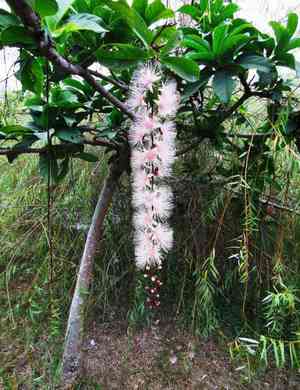
Originating from littoral zones, yakooro is recognized for its thick leaf cover and extended clusters of aromatic white blossoms. Essential trimming methods involve judiciously reducing congested branches to improve air movement and excising any impaired or infected branches for the plant's well-being. The most effective time for pruning is during the winter, when the plant is inactive, thereby reducing strain and encouraging robust spring development. Trimming yakooro enhances bloom production and can deter the proliferation of pests and illnesses particular to its compact crown.
Advantages of Trimming Yakooro
Advantages of Trimming Yakooro
Trimming yakooro is vital for preserving its strength and desired form. Deliberate cuts encourage new development, ensuring a sturdy framework while also limiting excessive expansion that could harm its health and appearance.
Optimal Time for Pruning Yakooro
Optimal Time for Pruning Yakooro
Pruning or trimming yakooro during late winter to early spring is best as the plant is typically dormant. This timing minimizes stress on yakooro and lowers the chance of disease infection through cuts during warmer, more humid conditions. It allows gardeners to shape yakooro without disrupting its new growth cycle. Furthermore, removing dead or damaged wood at this time boosts yakooro's health and vitality, preparing it for robust spring growth and ensuring better flowering or fruiting in its natural season.
Tools Required for Pruning Yakooro
Hand Pruners
Perfect for cutting thin branches and twigs of yakooro up to half an inch thick, allowing precise cuts for shaping or removing dead material.
Lopping Shears
More suitable for cutting through thicker branches of yakooro that hand pruners cannot manage, typically up to 1.5 inches in diameter, offering greater leverage and reach.
Pruning Saws
Essential for removing the largest branches of yakooro, especially those over 1.5 inches thick, providing the necessary sawing action to cut through tough wood without harming the plant.
Pole Pruners
Useful for reaching higher branches of yakooro that are out of arm's reach, enabling pruning without a ladder for enhanced safety and convenience.
Hedge Shears
Appropriate for shaping the foliage of yakooro if grown as a hedge, allowing for uniform and visually appealing trimming of leafy branches.
Pruning Gloves
Crucial for protecting the gardener's hands from cuts and scrapes while pruning yakooro, ensuring safety during the task.
How to Prune Yakooro
Sanitize Tools
Before pruning yakooro, sterilize your pruning tools with alcohol or a bleach solution to prevent the spread of diseases.
Remove Dead Branches
Identify and remove dead branches by cutting them at their point of origin or back to a healthy lateral branch, ensuring cuts are clean and precise.
Cut Diseased Branches
Prune diseased branches by cutting at least a few inches into healthy wood beyond the affected area to ensure complete removal of any diseased tissue.
Disinfect After Cuts
After each cut, especially when removing diseased branches, disinfect your pruning tools to minimize the transfer of pathogens to healthy parts of yakooro.
Shape Tree
After removing dead and diseased branches, lightly shape yakooro if needed, avoiding heavy pruning that could stress the plant and maintaining the natural form of the branches.
Common Pruning Errors with Yakooro
Excessive Pruning
Cutting back too much of yakooro in one session can cause stress and reduce the plant's vitality. It's important to prune no more than one-third of the plant at a time to maintain its health.
Incorrect Cut Placement
Improperly placed cuts can damage the main stems or lead to disease. It's important to make cuts just above leaf nodes and angle them away from the node to promote proper healing and growth.
Using Dull Tools
Dull pruning tools can crush the stems of yakooro, creating jagged edges that can become entry points for pests and diseases. Using sharp, clean pruning shears is essential for making clean cuts.
Ignoring Dead Or Diseased Branches
Failing to remove dead, diseased, or damaged branches from yakooro can hinder the plant's growth and spread disease to other parts. These should be pruned as soon as noticed, regardless of the regular pruning schedule.
Neglecting Structural Pruning
Especially for beginners, not paying attention to the overall structure and shape of yakooro during pruning can lead to uneven growth and poor airflow through the canopy, which is crucial for the plant's health.
General Pruning Advice for Yakooro
Selective Thinning
Targeting specific branches for removal to improve light penetration and air circulation within the canopy of yakooro encourages healthy growth and reduces the risk of disease.
Shaping For Strength
Pruning yakooro to maintain a strong structure will support vigorous growth. This involves removing weak, crossing, or inward-growing branches that can cause structural issues.
Clean Equipment
Sanitize pruning tools before and after using them on yakooro to prevent the transfer of pests and diseases between plants.
Following Natural Form
When pruning, aim to maintain the natural shape of yakooro. This minimizes stress and promotes a more aesthetically pleasing growth habit.
Rejuvenation Pruning
For older yakooro specimens, gradual rejuvenation pruning may be necessary. This involves selectively pruning older branches over a few years to renew the plant without causing shock.



