How to Transplant Woolly desert marigold?
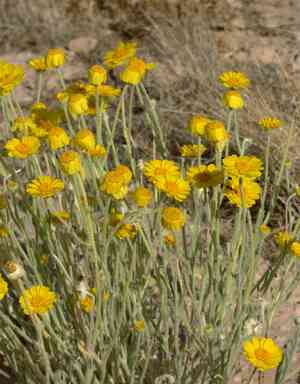
Woolly desert marigold flourishes when relocated between late spring and mid-summer, since elevated temperatures encourage rapid root establishment. Select a bright, adequately drained spot, and confirm the substrate remains somewhat arid. Additional attention during these intervals guarantees the plant adapts without issue.
What Preparations are Needed Before Transplanting Woolly Desert Marigold?
What is the Ideal Time for Transplanting Woolly Desert Marigold?
Moving woolly desert marigold during late spring to mid-summer guarantees the best root development and strong growth, as ground temperatures are warm and steady. This period benefits from extended daylight, supporting vigorous photosynthesis and maturation. Consequently, the plant is better prepared to flourish, offering enhanced floral displays and resilience.
How Much Space Should You Leave Between Woolly Desert Marigold Plants?
When relocating woolly desert marigold, aim for a spacing of 18-24 inches (45-60 cm) between plants. This provides ample room for unrestricted growth and sufficient air circulation. Proper spacing helps to minimize disease risk and encourages healthier, fuller plants.
What is the Best Soil Mix for Woolly Desert Marigold Transplanting?
Prepare well-draining soil enriched with some organic compost for woolly desert marigold. A sandy or gravelly soil type is optimal. Incorporating a balanced base fertilizer can supply the initial nutrients required for a successful transplant.
Where Should You Relocate Your Woolly Desert Marigold?
Select a sunny spot for transplanting woolly desert marigold, as they thrive in full sun. Ensure the chosen location receives at least 6-8 hours of direct sunlight daily. Adequate sunlight exposure is vital for the plant's growth and blooming.
What Equipments Should You Prepare Before Transplantation Woolly Desert Marigold?
Gardening Gloves
To safeguard your hands while handling soil and the plant.
Hand Trowel
For excavating the plant from a container or seedling tray.
Shovel or Spade
To dig a broad trench around the plant if it's in the ground.
Watering Can or Hose
To hydrate the plant before removal and after relocation.
Pruners
To trim any damaged roots or foliage during the transplant process.
How Do You Remove Woolly Desert Marigold from the Soil?
How Do You Remove Woolly Desert Marigold from the Soil?
From Ground: First, moisten the soil around the woolly desert marigold plant. Then, use a shovel or spade to dig a wide trench around the plant, ensuring the root ball remains intact. Carefully work the spade beneath the root ball to lift the plant from its original spot.From Pot: Thoroughly water the woolly desert marigold plant. Gently tip the pot onto its side and tap it to loosen the soil. Carefully slide the plant out of the pot while supporting its base.From Seedling Tray: Water the woolly desert marigold seedlings to make the soil easier to manage. Use a hand trowel to gently lift each seedling, making sure to include as much of the root system as possible.
Step-by-Step Guide for Transplanting Woolly Desert Marigold
Site Preparation
Before removal, prepare the new planting site by digging a hole slightly larger than the woolly desert marigold plant's root ball.
Soil Preparation
Ensure the soil in the new location is well-prepared, with good drainage to prevent waterlogging.
Transplanting
Place the woolly desert marigold plant into the prepared hole, making sure it sits at the same depth as it was in its previous spot. Fill the hole with soil, gently firming it around the plant's base.
Watering
Thoroughly water the woolly desert marigold plant after transplanting to help settle the soil around its roots.
Mulching
Apply a layer of mulch around the plant's base to retain moisture and inhibit weed growth.
How Do You Care For Woolly Desert Marigold After Transplanting?
Watering
Keep the soil around the woolly desert marigold consistently moist, but not waterlogged, for the initial weeks post-transplant to aid in strong root establishment.
Monitoring
Regularly inspect the woolly desert marigold for signs of transplant shock, such as wilting or yellowing leaves, and address any issues promptly.
Pruning
Trim any damaged or dead foliage to encourage new growth and assist the plant in recovering from the transplant.
Troubleshooting Common Issues with Woolly Desert Marigold Transplantation.
When is the best time to transplant woolly desert marigold?
Late spring to mid-summer is ideal to transplant woolly desert marigold for optimal growth.
How far apart should I space woolly desert marigold when transplanting?
Space woolly desert marigold plants 18-24 inches (45-60 cm) apart to ensure proper growth.
What kind of soil is best for transplanting woolly desert marigold?
Well-draining, sandy soil is best for transplanting woolly desert marigold to prevent root rot.
How much water does woolly desert marigold need after transplanting?
Water woolly desert marigold moderately after transplanting, keeping the soil slightly moist but not soggy.
Should woolly desert marigold be transplanted in full sun or partial shade?
Woolly desert marigold thrives in full sun, so choose a sunny spot for transplanting.
What to do if woolly desert marigold shows signs of wilting after transplanting?
Ensure woolly desert marigold receives adequate water and is not exposed to extreme conditions. Partial shade helps.
Do I need to fertilize woolly desert marigold immediately after transplanting?
Avoid immediate fertilization. Wait a few weeks for woolly desert marigold to establish before lightly feeding.
How deep should the hole be for transplanting woolly desert marigold?
Dig a hole slightly larger than the root ball of woolly desert marigold to provide ample space.
What should I do if woolly desert marigold experiences transplant shock?
Minimize stress by keeping woolly desert marigold well-watered and in a stable environment until recovery.
Should I prune woolly desert marigold before or after transplanting?
Light pruning after transplanting can help woolly desert marigold focus energy on root establishment.



