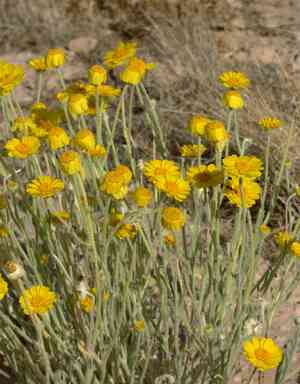
Woolly desert marigold (Baileya pleniradiata)
Also known as: Desert Marigold
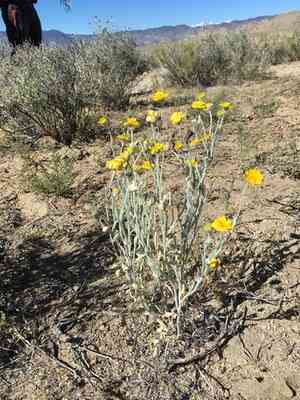
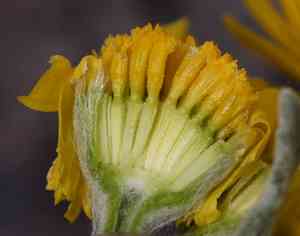
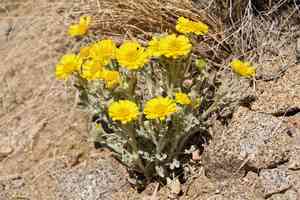
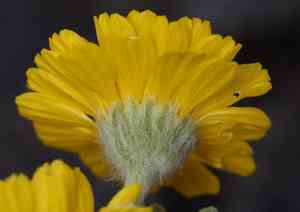
Baileya pleniradiata, or woolly desert marigold, is a perennial herb with a woolly, grayish stem that can grow up to 60 cm tall. The leaves, which can reach up to 8 cm in length, may have a few lobes. Each flower head is bright yellow and sits on a peduncle that can extend up to 10 cm. The plant thrives in arid, sandy, or rocky soils and is well-adapted to drought conditions.
In This Article
Attributes of Woolly desert marigold
Lifespan
Annual, Biennial, Perennial
Plant Type
Herb
Plant Height
30 cm to 91 cm
Spread
Variable, generally around 30-45 cm
Leaf Color
Silvery-green
Flower Size
2.5-5 cm
Flower Color
Bright yellow
Images of Woolly desert marigold
Quickly Identify Woolly desert marigold
1
This plant can be recognized by its bright yellow, daisy-like flowers and silvery-green leaves. The flowers have multiple layers of petals and bloom in the spring and sometimes again in the fall.
Scientific Classification of Woolly desert marigold
Phylum
Vascular plants
Class
Dicotyledons
Order
Asterales
Family
Daisy
Genus
Desert marigold
Species
Woolly desert marigold
Planting and Growing of Woolly desert marigold
Care Difficulty
Easy
Watering Schedule
Every day
Sunlight Requirements
Full sun
Sunshine Duration
4-8 hours
Ideal Temperature
65-75℉
Soil Type
Potting Mix, Peat Mix
Soil pH
6.5-7.5
Fertilizer Type
Balanced
Pruning Season
Spring, Summer
Pruning Area
Branches, Leaves
Pruning Frequency
Once a year
Repotting Season
Spring
Pot Type
Plastic, Ceramic
 How to Water Woolly desert marigold?
Baileya pleniradiata prefers to be watered sparingly. When you water, pour about 250 ml of water, ensuring the soil is moist but not soaked. It's crucial to let the top few inches of soil dry out completely before watering again. This ensures proper root aeration and reduces the risk of root rot.
What are the symptoms of an underwatered Woolly desert marigold?
›
What should I do if my Woolly desert marigold is not getting enough water?
›
What are the symptoms of an overwatered Woolly desert marigold?
›
How to save an overwatered Woolly desert marigold?
›
 What Are the Sunlight Requirements for Woolly desert marigold?
Baileya pleniradiata thrives in full sun, requiring 6 to 8 hours of light daily. Proper light exposure ensures strong growth and bright, frequent blooms characteristic of healthy specimens.
What type of sunlight does it need?
›
How to achieve ideal sunlight conditions?
›
Benefits of ideal lighting for the plant?
›
 What Is the Ideal Temperature Range for Woolly desert marigold?
The ideal temperature range for Baileya pleniradiata, a desert native, is between 65°F and 75°F. This range allows the plant to photosynthesize efficiently and thrive by mimicking its natural habitat's climatic conditions. Temperatures within this range ensure optimal metabolic activities, leading to healthy growth and flowering.
 What Soil is Best for Woolly desert marigold?
Baileya pleniradiata thrives best in well-draining soil, as this prevents waterlogged conditions that can lead to root rot. The use of well-draining soil ensures healthy growth by allowing excess water to flow away quickly, maintaining optimal moisture levels and preventing fungal infections. Although Baileya pleniradiata prefers sandy soils, it benefits greatly from a nutrient-rich mix. Incorporating organic matter, like compost, provides essential nutrients for its growth, enhances soil structure, and promotes robust flowering. Maintaining a soil pH between 6.5 and 7.5 suits Baileya pleniradiata perfectly as it optimizes nutrient availability. This pH range helps the plant absorb key nutrients like phosphorus and calcium, facilitating strong stem and leaf development.
 How to Fertilize Woolly desert marigold?
For Baileya pleniradiata, it is essential to carefully measure the amount of fertilizer. Generally, use a balanced liquid fertilizer diluted to half strength, applying about 20-30 milliliters per plant, ensuring it adequately nourishes without overwhelming the soil chemistry.
 How to Prune Woolly desert marigold?
Pruning during very hot or cold weather can stress the plant. Aim for moderate weather conditions to minimize shock and facilitate healthy recovery. While removing dead or excess growth, ensure some foliage remains to sustain photosynthesis, which is crucial for the plant’s energy production and overall health.
More About Pruning Techniques→
 How to Propagate Woolly desert marigold plant?
1
Begin by soaking Baileya pleniradiata seeds in water for 24 hours to soften their coat. This helps improve germination rates as it mimics natural conditions by pre-hydrating the seeds.
2
Sow the seeds in a seedling tray filled with a well-draining soil mix. Cover seeds lightly with soil and water gently to ensure proper hydration without displacing the seeds.
3
Select a healthy, non-flowering stem from the plant and cut a 4-6 inch segment. Remove lower leaves to prevent rot and dip the cut end in rooting hormone before planting.
 How to Repot Woolly desert marigold plant?
1
The ideal time to repot Baileya pleniradiata is when you notice the roots becoming crowded or growing out of the drainage holes. Additionally, if the growth of the plant seems stunted, or the soil is drying out more quickly than usual, these are signs that repotting is necessary. The best seasons for repotting are spring and summer, when the plant is actively growing and can recover more rapidly from root disturbance.
2
When selecting a pot for your Baileya pleniradiata, opt for one that is slightly larger than the current pot to allow ample space for root expansion. Ensure it has adequate drainage holes to prevent waterlogging, which can lead to root rot. Terra cotta or ceramic pots are beneficial as they provide stability and breathability, helping maintain a balanced moisture level.
3
Use a well-draining sandy mix for repotting Baileya pleniradiata. This type of soil is crucial as it mimics the plant’s natural arid environment, allowing excess water to escape quickly, thus preventing root rot. A sandy mixture also supports healthy aeration, enabling roots to access oxygen and nutrients optimally.
Learn More About Woolly desert marigold Diseases
Anthracnose
Bacterial Leaf Spot
Bacterial Soft Rot
Bacterial Wilt
Black Spot
Chemical Injury
Crown Gall
Cyst Nematode
Damping-off
Downy Mildew
Drought Stress
Fusarium Wilt
Gray Mold
Leaf Curl
Leaf Spot
Mosaic
Nutrient Deficiency
Nutrient Toxicity
Powdery Mildew
Root Rot
Root-knot Nematode
Rusts
Sooty Mold
Spider Mites
Temperature Stress
Thrips Damage
White Mold



