How to Prune Woolly desert marigold?
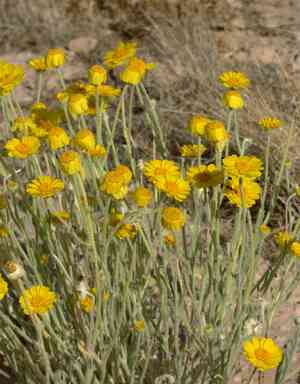
With its shimmering, fuzzy leaves and golden blossoms, woolly desert marigold flourishes in dry environments and needs little upkeep. Trim woolly desert marigold during spring, summer, or autumn to eliminate spent or withered flowers and stimulate additional flowering. Consistent, gentle trimming improves its form and encourages robust development, maximizing its floral presentation. Trimming also aids in disease prevention by enhancing air circulation among the leaves. Focus on the aged or drooping sections to preserve a dense, appealing look.
What Are the Benefits of Pruning Woolly Desert Marigold?
What Are the Benefits of Pruning Woolly Desert Marigold?
Trimming woolly desert marigold promotes robust development and maintains its compact form. Regular cutting back helps revitalize the plant, encouraging denser foliage and more abundant blooms while preventing legginess and preserving an attractive shape.
What Is the Best Time for Pruning Woolly Desert Marigold?
What Is the Best Time for Pruning Woolly Desert Marigold?
Pruning woolly desert marigold in spring is optimal as it prepares the plant for its active growth phase and enhances the sporadic flowering during warm months. Summer trimming should be minimal, focusing on removing dead or damaged foliage that could reduce plant vigor, and shaping when necessary. Fall pruning is beneficial for removing spent flowers and helping prevent diseases by reducing moisture retention in dense foliage. These pruning times align with woolly desert marigold's growth cycle, improving overall health and bloom production.
What Tools Do I Need to Prune Woolly Desert Marigold?
Bypass Pruners
These are perfect for making clean cuts on woolly desert marigold stems, preventing damage to plant tissue. Precise cuts help maintain woolly desert marigold's health by minimizing disease entry risk.
Pruning Shears
Especially useful for deadheading or removing spent woolly desert marigold flowers to encourage new blooms and tidy its appearance.
Gloves
Gardening gloves are advised to shield hands from woolly desert marigold's coarse, hairy foliage during pruning.
How to Prune Woolly Desert Marigold
Identify
Locate and evaluate the withered leaves on woolly desert marigold. Carefully observe which leaves are faded, dried, or appear unhealthy, as these are the ones that need removal to encourage healthier growth.
Clean
Prepare your trimming tools. Use clean, sharp scissors or secateurs to ensure a clean cut, which helps prevent damage to the remaining healthy parts of woolly desert marigold. Sterilize blades with rubbing alcohol to avoid disease spread.
Cut
Carefully trim the withered leaves. Make cuts close to the base of each dead leaf, avoiding snipping any healthy tissue. Snip at an angle to allow water to run off the cut surface, reducing disease risk.
Dispose
Properly discard the removed leaves. Do not leave them near the plant as they can harbor pests or diseases that might affect woolly desert marigold's health. Composting is a recommended disposal method, but only if you are certain the leaves are disease-free.
Monitor
Observe woolly desert marigold after pruning. Check regularly for any signs of new growth or further indications of withered leaves. Additional trimming may be necessary if more leaves die back.
Common Pruning Mistakes with Woolly Desert Marigold
Over-pruning
A frequent error with woolly desert marigold is removing too much foliage at once, which can stress the plant and lead to poor growth and reduced flowering. It's crucial never to prune more than one-third of the plant in a single session.
Improper technique
Using dull or dirty pruning tools can harm woolly desert marigold stems, resulting in jagged cuts that heal poorly and increase disease risk.
Neglecting plant form
Ignoring woolly desert marigold's natural shape and growth pattern during pruning can lead to an unnatural appearance and harm the plant's overall health.
Inconsistent maintenance
Failing to regularly remove dead or dying flowers and leaves from woolly desert marigold can decrease its vigor and flowering capacity, as it allows the plant to invest energy in non-productive parts.
Common Pruning Tips for Woolly Desert Marigold
Use clean, sharp tools
Always prune woolly desert marigold with clean, sharp tools to make clean cuts that heal quickly, preventing disease.
Focus on dead or damaged stems
Regularly remove dead or damaged stems to promote healthier growth and enhanced flowering. This helps the plant to focus its energy on producing vibrant, new growth.
Maintain natural shape
While pruning, aim to maintain woolly desert marigold's natural dome-shaped form. This not only enhances its aesthetic appeal but also supports the plant's health.
Deadhead regularly
To encourage continuous blooming, regularly deadhead spent flowers. This prevents woolly desert marigold from diverting energy into seed production and stimulates new flower production.



