How to Transplant Silverling?
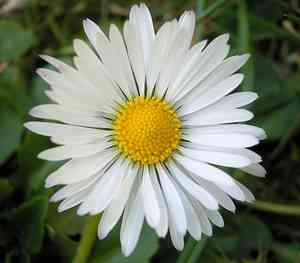
Silverling flourishes when relocated from the beginning of spring until its end, enabling its root system to become firmly established prior to the warmth of summer. Select a bright spot featuring soil that drains effectively. Temporarily shield newly moved plants to avert transplant shock. A gentle transfer during the spring season will guarantee optimal results.
What Preparations are Needed Before Transplanting Silverling?
What is the Ideal Time for Transplanting Silverling?
Silverling, a perennial, flourishes most effectively when moved during the initial to middle spring period. This timing allows for optimal root development prior to the intense summer heat. Relocating at this point gives the plant ample time to adapt and grow, utilizing the beneficial spring weather and soil conditions for enhanced resilience and development.
How Much Space Should You Leave Between Silverling Plants?
Silverling requires ample room to develop comfortably. Aim to position them 3-6 feet (0.9-1.8 meters) apart to provide sufficient area for expansion and flourishing.
What is the Best Soil Mix for Silverling Transplanting?
Silverling thrives in soil that drains effectively. Amend the soil by incorporating compost or a slow-release granular fertilizer to ensure your plant receives the necessary nutrients.
Where Should You Relocate Your Silverling?
Place silverling in an area that receives abundant sunlight. Target a location that gets full sun for at least 6 hours daily to help your plant prosper.
What Equipments Should You Prepare Before Transplantation Silverling?
Gardening Gloves
To safeguard your hands while handling soil and the plant.
Shovel or Spade
For excavating the plant and preparing the new planting site.
Trowel
For more precise digging and adjusting the hole dimensions.
Wheelbarrow
To move the plant and soil.
Pruning Shears
For trimming any damaged or excessively long roots.
Watering Can or Hose
For hydrating the plant immediately following transplantation.
Mulch
To aid in retaining soil moisture and regulating temperature around the recently transplanted plant.
How Do You Remove Silverling from the Soil?
How Do You Remove Silverling from the Soil?
From Ground: First, hydrate the silverling plant to moisten the soil. Next, excavate a wide trench around the plant using a shovel or spade, ensuring the plant's root ball remains intact. Carefully work the spade beneath the root ball to lift the plant from its original spot.From Pot: Water the silverling plant thoroughly to loosen the soil. Grasp the base of the plant and gently tilt the pot sideways. Tap the sides and bottom of the pot to dislodge the root ball. Carefully slide the plant out, ensuring the roots stay intact.From Seedling Tray: Water the silverling seedling trays well to facilitate removal. Use a small trowel or your fingers to gently lift each seedling, taking care to keep as much soil around the roots as possible.
Step-by-Step Guide for Transplanting Silverling
Site Preparation
Clear the area of any unwanted plants and debris. Use a shovel or spade to dig a hole that is twice as wide and slightly deeper than the silverling's root ball.
Plant Removal
Follow the instructions provided for extracting the silverling from its initial location, ensuring minimal disruption to its root system.
Planting
Position the silverling in the center of the new hole. Ensure the top of the root ball is level with or slightly above the surrounding soil. Fill the hole halfway with soil, then water lightly to remove air pockets. Finish filling the hole, gently press the soil to secure the plant, and water thoroughly.
Mulching
Apply a layer of mulch around the base of the silverling, leaving some space around the stem to prevent rot. This helps retain moisture and suppress weeds.
How Do You Care For Silverling After Transplanting?
Watering
Keep the soil around the silverling consistently moist, but not waterlogged, for the initial few weeks after transplanting to aid in establishing strong roots.
Monitoring
Regularly check for indications of transplant shock, such as wilting or yellowing foliage. Address any issues promptly to ensure the plant's well-being.
Support
If the plant is tall or delicate, consider installing a stake or plant support to help it remain upright during windy conditions.
Troubleshooting Common Issues with Silverling Transplantation.
When is the best time to transplant silverling?
Early to late spring is optimal for relocating silverling due to favorable conditions.
How far apart should silverling be spaced?
Space silverling 3-6 feet (91-183 cm) apart to ensure proper growth and air circulation.
How should I prepare the soil before transplanting silverling?
Ensure the soil is well-drained and enriched with compost for improved growth conditions.
How deep should I plant silverling in the new location?
Plant silverling at the same depth as it was in the pot or previous location.
What should I do if silverling shows transplant shock signs?
Keep the soil moist but not waterlogged and provide some shade if necessary.
How often should I water silverling after transplanting?
Water thoroughly after transplanting, then keep the soil consistently moist for the first few weeks.
What type of mulch is best for silverling after transplanting?
Use organic mulch like straw or wood chips to retain moisture and regulate soil temperature.
Can I transplant silverling during hot weather?
Avoid transplanting silverling in hot weather to prevent stress and promote successful establishment.
How can I improve drainage for silverling when transplanting?
Improve drainage by adding sand or perlite to the soil before transplanting silverling.
Should I fertilize silverling immediately after transplanting?
Avoid immediate fertilization; wait a few weeks until silverling establishes itself in the new location.



