
Silverling (Baccharis glomeruliflora)
Also known as: Silverling, False Willow
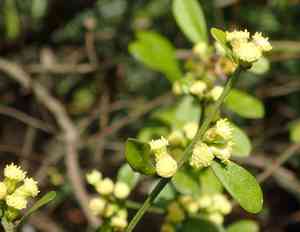
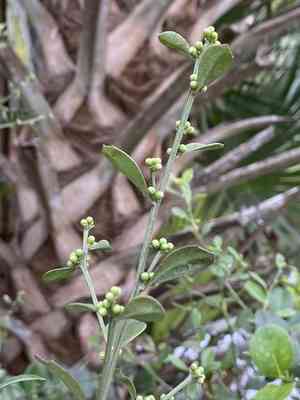
Baccharis glomeruliflora is a shrub that can reach heights of up to 3 meters. It features thick, leathery, evergreen leaves with prominent teeth and produces flower heads clustered in the leaf axils. This plant is well-suited to wet environments, including swamps, hammocks, riverbanks, and similar moist habitats.
In This Article
Attributes of Silverling
Lifespan
Perennial
Plant Type
Shrub
Plant Height
91 cm to 1.8 m
Spread
1-3 meters
Leaf Color
Green
Flower Size
Less than 1 cm
Flower Color
Whitish, Creamy
Images of Silverling


Quickly Identify Silverling
1
Baccharis glomeruliflora can be recognized by its alternate, simple leaves that are elongated and narrow, with finely serrated margins. The small clusters of whitish flowers are another distinguishing feature. The shrub typically has a bushy form, and its stems can be woody at the base.
Scientific Classification of Silverling
Phylum
Vascular plants
Class
Dicotyledons
Order
Asterales
Family
Daisy
Genus
Baccharises
Species
Silverling
Planting and Growing of Silverling
Care Difficulty
Moderate
Watering Schedule
Every 2 days
Sunlight Requirements
Full sun
Sunshine Duration
6-10 hours
Ideal Temperature
60-75℉
Soil Type
Potting Mix, Peat Mix
Soil pH
6-8
Fertilizer Type
Balanced
Pruning Season
Spring, Summer
Pruning Area
Branches, Leaves
Pruning Frequency
2 times a year
Repotting Season
Spring
Pot Type
Plastic, Ceramic
 How to Water Silverling?
Baccharis glomeruliflora benefits from a watering approach that ensures the soil remains consistently moist but never waterlogged. Aim to water enough so that the top 2-3 inches of soil are thoroughly saturated. This typically requires approximately 500 milliliters of water per session, depending on the plant size and climate conditions.
What are the symptoms of an underwatered Silverling?
›
What should I do if my Silverling is not getting enough water?
›
What are the symptoms of an overwatered Silverling?
›
How to save an overwatered Silverling?
›
 What Are the Sunlight Requirements for Silverling?
Baccharis glomeruliflora prefers full sun to partial sun, benefiting from morning sunlight with some afternoon shade. This exposure enhances growth while maintaining healthy foliage.
What is the best lighting condition for Baccharis glomeruliflora?
›
How to achieve ideal lighting for Baccharis glomeruliflora indoors?
›
What benefits does Baccharis glomeruliflora get from ideal lighting?
›
 What Is the Ideal Temperature Range for Silverling?
The ideal temperature range for Baccharis glomeruliflora is between 60°F and 75°F. This range provides optimal growth conditions, promoting healthy foliage and robust flowering. Maintaining temperatures within this range ensures the plant's physiological processes function efficiently, supporting overall vitality.
 What Soil is Best for Silverling?
Baccharis glomeruliflora thrives best in well-draining soils that prevent waterlogging. This promotes healthy root growth and prevents root rot, especially in regions with heavy rainfall. While not overly demanding, Baccharis glomeruliflora benefits from soils with moderate fertility. This ensures proper nutrient availability, supporting lush foliage and vibrant growth. Though it prefers well-draining soils, some moisture retention is ideal for Baccharis glomeruliflora. This helps the plant withstand dry periods and promotes sustained growth.
 How to Fertilize Silverling?
For Baccharis glomeruliflora, it's essential to maintain a balanced approach to fertilization. Liquid fertilizers should be diluted to half the strength recommended on the label to avoid overfeeding. For solid fertilizers, a layer of about 0.5 inches of slow-release pellets can be distributed evenly around the base of the plant.
 How to Prune Silverling?
Begin by surveying the plant for any dead or diseased branches. Dead branches will not have leaves, and diseased ones may show signs of discoloration or unusual texture. Trim the outermost branches to maintain a uniform spherical shape. Make precise cuts just above a leaf node, ensuring healthy new growth can emerge. Baccharis glomeruliflora can develop a dense foliage that hinders air circulation. Selectively cut a few inner branches to enhance airflow and light penetration.
More About Pruning Techniques→
 How to Propagate Silverling plant?
1
Collect mature seeds from healthy Baccharis glomeruliflora plants. Ensure the seeds are fully matured and dry before storing them for later or immediate use. Collect on a dry day to minimize moisture-related issues.
2
Take cuttings from healthy, non-flowering stems. The ideal cutting length is about 6 inches. Remove the lower leaves, leaving a few at the top, and treat the cutting with rooting hormone to enhance root development.
3
Plant the seeds or cuttings into prepared trays filled with a seed-starting mix. Gently water the planting medium to ensure it is moist but not soggy, promoting healthy germination or rooting.
 How to Repot Silverling plant?
1
Knowing when to repot Baccharis glomeruliflora is crucial. Look for signs like roots growing out of drainage holes or the plant becoming top-heavy. These indicate that the plant is outgrowing its current pot and needs more space to thrive.
2
Choose a pot that is 1-2 inches larger in diameter than the current one. Opt for pots with drainage holes to prevent waterlogging. A well-chosen pot allows for adequate root growth and prevents issues such as root rot.
3
Baccharis glomeruliflora thrives in well-draining, loamy soil. This ensures that the roots receive enough air while also retaining moisture and nutrients. Quality soil promotes healthy root development and robust plant growth.
Learn More About Silverling Diseases
Anthracnose
Bacterial Leaf Spot
Bacterial Wilt
Crown Gall
Cyst Nematode
Damping-off
Downy Mildew
Drought Stress
Fusarium Wilt
Gray Mold
Leaf Spot
Mosaic
Nutrient Deficiency
Nutrient Toxicity
Powdery Mildew
Root Rot
Root-knot Nematode
Rusts
Sooty Mold
Spider Mites
Temperature Stress
Thrips Damage
White Mold



