How to Prune Silverling?
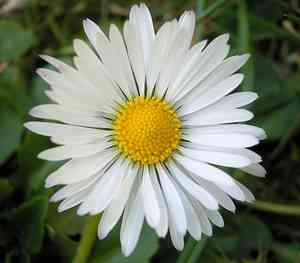
Silverling exhibits a compact, ligneous structure and unique silver-hued leaves. Perform pruning on silverling from late winter to early spring, prior to the emergence of new shoots. Concentrate on excising dead or ailing branches, sculpting the plant, and fostering adequate airflow. Routine trimming improves its visual charm and manages its dimensions, contributing to its general well-being. Employ sanitized, keen implements to avert the spread of pathogens. Diligent upkeep guarantees robust development and extends the longevity of this appealing bush.
Advantages of Trimming Silverling
Advantages of Trimming Silverling
Trimming silverling encourages robust development, helps maintain its form, and enhances overall vitality. Regular trimming prevents legginess, promotes denser foliage, and can assist in managing pest and disease problems, leading to a more resilient and visually appealing plant.
Optimal Period for Trimming Silverling
Optimal Period for Trimming Silverling
Trimming silverling during early spring or late winter is considered ideal due to its growth cycle and general health. During these seasons, silverling is typically in a dormant state, allowing for trimming with minimal stress to the plant. Additionally, this timing ensures that trimming is completed before silverling enters its active growth and flowering phases, promoting healthier and more vigorous growth in subsequent seasons. Trimming during these periods also helps prevent potential disease and pest issues that could arise from trimming during more active growth stages.
Tools Required for Trimming Silverling
Bypass Pruners
Bypass pruners are perfect for making precise cuts on live, green stems and branches, which are typical for silverling's growth. These pruners create clean cuts that help the plant heal quickly and lower the risk of disease.
Loppers
Loppers are essential for cutting thicker branches that bypass pruners cannot handle. Silverling can develop larger branches that require the extra leverage and cutting power provided by loppers.
Pruning Saw
A pruning saw is suitable for the largest branches that loppers cannot manage. This tool is crucial for silverling due to its ability to cut through thicker, woody stems efficiently.
Hand Shears
Hand shears are excellent for trimming smaller, delicate sections. They allow for detailed shaping and refining of silverling's overall appearance, fostering better growth and health.
Long-Handled Pruners
Long-handled pruners are useful for reaching higher branches without needing a ladder, ensuring safety and convenience when trimming the upper parts of silverling.
How to Trim Silverling
Identification
Examine the plant silverling thoroughly to identify diseased leaves, withered leaves, dead branches, and diseased branches.
Tools
Clean and sanitize trimming tools to prevent the spread of disease.
Diseased removal
Carefully cut away all diseased leaves and branches, ensuring complete removal of the affected parts.
Withered removal
Trim withered leaves and dead branches by making clean cuts close to the main stem or branch.
Cleanup
Dispose of all cuttings and debris properly to avoid reinfection and ensure a neat growing environment for silverling.
Common Trimming Errors with Silverling
Excessive trimming
Removing too much foliage can stress the plant and impede its growth and health. Silverling should not have more than one-third of its foliage removed at any single time.
Incorrect cuts
Using dull or dirty tools can result in jagged cuts that invite disease and pests. Trimming tools should always be clean and sharp to ensure precise cuts.
Trimming at the wrong time
Although the best season is excluded here, trimming at inappropriate times can lead to reduced flowering and poor growth. Timely trimming helps maintain the plantâs vigor.
Improper technique
Making flush cuts or leaving stubs can create entry points for diseases. It's crucial to make cuts at the correct angle and position relative to the branch collar.
General Trimming Advice for Silverling
Utilize sharp, clean tools
Always ensure your trimming equipment is sterilized and sharp to make clean cuts, preventing damage and reducing the risk of infection.
Remove dead or damaged branches first
Begin by cutting away any dead, diseased, or damaged branches to improve air circulation and direct the plantâs energy to healthier growth.
Aim for thinning rather than topping
Thin the branches to open up the canopy, encouraging light penetration and airflow, rather than cutting off the top of the plant which can lead to unsightly growth.
Make cuts at the correct angle
Trim just above a bud or branch junction at an angle that slopes away from the bud, which promotes healthy future growth and prevents water from settling on the cut.



