How to Transplant Cattle saltbush?
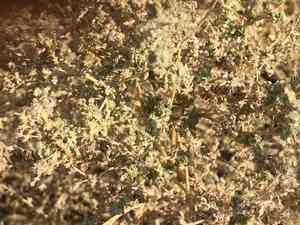
Cattle saltbush flourishes when relocated from the onset of early spring to the peak of late spring, benefiting from its hardiness in moderate climates. Choose bright spots with soil that drains effectively for proper rooting.
Essential Preparations Before Relocating Cattle Saltbush
Optimal Period for Relocating Cattle Saltbush?
The best time to move cattle saltbush is from the beginning to the end of spring. This timing ensures warm soil and consistent moisture, aiding root establishment and robust development. Transplanting during this season benefits from longer daylight hours and milder temperatures, improving the plant's adaptation and resilience.
Recommended Spacing Between Cattle Saltbush Plants?
When relocating cattle saltbush, ensure each plant is spaced 24-36 inches (60-90 cm) apart. This provides ample room for growth and promotes good air circulation, which helps prevent diseases.
Ideal Soil Mixture for Cattle Saltbush Relocation?
For cattle saltbush, prepare a soil mix that drains effectively. Sandy or loamy soils are most suitable. Enhance the soil with compost or a balanced fertilizer to ensure a healthy start.
Where to Replant Your Cattle Saltbush?
Select a sunny spot for relocating cattle saltbush. This plant flourishes with abundant sunlight, so aim for at least 6-8 hours of direct sun daily.
Equipment Needed Before Relocating Cattle Saltbush?
Gardening Gloves
To safeguard your hands while handling soil and the plant.
Shovel or Spade
For excavating the plant from its original spot and preparing the new planting area.
Trowel
Useful for smaller digging tasks and precise adjustment of hole dimensions.
Watering Can or Hose
To hydrate the plant before and after its relocation.
Pruning Shears
To trim any damaged or overgrown roots or branches.
Wheelbarrow
Optional, but helpful for moving larger plants.
Mulch
To cover the soil around the plant post-transplant, aiding in moisture retention.
How to Extract Cattle Saltbush from the Ground?
How to Extract Cattle Saltbush from the Ground?
From Ground: First, moisten the cattle saltbush plant to dampen the soil. Then, use a shovel or spade to dig a wide trench around the plant, ensuring the root ball remains intact. Carefully work the spade beneath the root ball to lift the plant from its initial location.From Pot: Water the plant thoroughly the day before relocation. Gently tap the pot's sides to loosen the soil and roots. Tilt the pot sideways and slowly slide the plant out by holding its base. If it's stuck, use a trowel to gently dislodge it.From Seedling Tray: Lightly water the seedlings before moving them to make the soil easier to manage. Use a trowel or your fingers to carefully lift each seedling, ensuring the root ball is supported. Be cautious not to crush or harm the stems.
Step-by-Step Guide for Relocating Cattle Saltbush
Prepare the Location
Clear any weeds or debris from the new planting site. Dig a hole that is twice as wide and as deep as the cattle saltbush's root ball.
Remove the Plant
Carefully follow the removal instructions based on the plant's original setting (ground, pot, or seedling tray).
Inspect the Roots
Examine the roots. Trim any that are damaged or excessively long using pruning shears.
Planting
Place the cattle saltbush into the prepared hole, ensuring the top of the root ball is level with the surrounding soil. Backfill the hole with soil, gently pressing down to remove air pockets.
Watering
Thoroughly water the newly relocated cattle saltbush to help settle the soil around its roots.
Adding Mulch
Apply a thin layer of mulch around the plant's base, but avoid piling it against the stem to prevent rot.
Post-Relocation Care for Cattle Saltbush
Watering
Keep the soil around the cattle saltbush consistently moist, but not waterlogged, for the initial weeks after relocation to aid in strong root establishment.
Monitoring
Observe the plant's health, looking for signs of transplant shock, such as wilting or discoloration. Provide necessary care like extra watering or protection from strong winds if needed.
Mulch Maintenance
Periodically check the mulch to ensure it hasn't shifted or significantly broken down; replenish as required.
Pruning
Once the plant has settled, prune any dead or damaged branches to encourage healthy new growth.
Addressing Common Issues During Cattle Saltbush Relocation.
When is the best time to move cattle saltbush?
Early to late spring is the ideal period for relocating cattle saltbush.
What spacing is needed when moving cattle saltbush?
Space each cattle saltbush plant 24-36 inches (61-91 cm) apart for optimal growth.
What should the soil condition be for relocating cattle saltbush?
Ensure the soil is well-draining and moderately fertile before relocating cattle saltbush.
Should I water cattle saltbush immediately after moving it?
Yes, water thoroughly after relocating cattle saltbush to settle the soil around the roots.
What is the ideal depth for planting cattle saltbush?
Plant cattle saltbush at the same depth it was in its previous spot to minimize stress.
How can I prepare the planting site for cattle saltbush?
Loosen the soil and remove any weeds or debris from the cattle saltbush planting site.
Should I fertilize cattle saltbush when relocating?
Lightly fertilize the area when relocating cattle saltbush, but avoid excessive fertilization.
Can I relocate cattle saltbush in full sun?
Cattle saltbush thrives best in full sun, so choose a sunny location for relocation.
What should I do if cattle saltbush shows signs of transplant shock?
Keep the soil moist and temporarily shaded if cattle saltbush exhibits signs of transplant shock.
How can I ensure strong root development for cattle saltbush after relocating?
Water regularly without over-saturating, and mulch around cattle saltbush to conserve moisture and regulate temperature.



