How to Propagate Cattle saltbush?
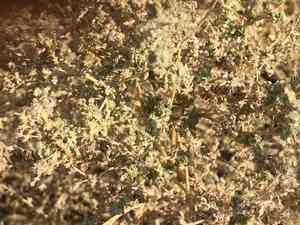
Recognized for its capacity to flourish in dry environments, cattle saltbush is a robust woody plant frequently employed in ecological recovery efforts. To propagate, sever robust stems approximately 4-6 inches in length, immerse them in rooting compound, and embed them in porous soil. Maintain steady dampness, avoiding oversaturation. Root development is enhanced by partial shade and defense against severe thermal fluctuations. This variety thrives with limited care, rendering it perfect for effortless horticultural practices.
Optimal Time for Cattle Saltbush Propagation
Propagation Method
Cutting
Propagation Period
Spring,Summer
Tools for Cattle Saltbush Propagation
Pruning Shears
Pruning shears are vital for taking healthy, disease-free stem sections from the parent plant. Their sharp blades ensure clean cuts, which are essential for minimizing plant tissue damage and encouraging quicker healing and root formation.
Rooting Hormone
Rooting hormone is utilized to boost the root development of the cuttings. Dipping the cut ends of the cuttings into rooting hormone powder or gel helps stimulate root growth and increases the likelihood of successful propagation.
Sterilized Cutting Tray
A sterilized cutting tray offers a clean environment for the cuttings to root. This lowers the risk of contamination and diseases, which could otherwise impede the growth process of cattle saltbush.
Propagation Dome/Plastic Bag
A propagation dome or a plastic bag placed over the tray creates a humid atmosphere around the cuttings. This is beneficial for maintaining moisture levels, which is crucial for the cuttings of cattle saltbush to effectively develop roots.
Misting Bottle
A misting bottle is employed to regularly spray the cuttings and maintain high humidity, which is essential for preventing the cuttings from drying out before roots emerge.
Seedling Heat Mat
A seedling heat mat provides consistent warmth from below, which can enhance root development by keeping the soil at an ideal temperature. This is particularly helpful for cattle saltbush as warm soil conditions promote root growth.
Labels and Markers
Labels and markers are important for tracking different cuttings and their propagation dates. Proper labeling ensures you can monitor the progress and success rates of cattle saltbush cuttings accurately.
Shaded Greenhouse/Cold Frame
A shaded greenhouse or cold frame provides a controlled environment with protection from direct sunlight and harsh weather. This setting helps the cuttings of cattle saltbush acclimate and root without being exposed to stress factors.
How to Propagate Cattle Saltbush?
Propagation Type
Moderately Difficult
How to Care for Your Newly Propagated Cattle Saltbush?
How to Care for Your Newly Propagated Cattle Saltbush?
Following successful propagation, cattle saltbush needs occasional deep watering, especially during dry spells, and should be situated in full sun to partial shade. Ensure well-draining soil to prevent root rot. Prune as needed to maintain shape and encourage vigorous growth. Use mulch to help retain moisture and suppress weeds around the plant's base.
Common Mistakes to Avoid When Propagating Cattle Saltbush
Improper Soil Selection
Choosing soil that holds too much moisture can lead to root rot, as cattle saltbush prefers well-draining soils.
Overwatering
Excessive watering can cause root rot and fungal issues because cattle saltbush is adapted to arid conditions.
Insufficient Light
Providing inadequate sunlight can hinder photosynthesis, affecting the growth and development of cattle saltbush.
Ignoring Pests and Diseases
Not monitoring for pests or diseases can lead to infestations or infections that compromise the health of cattle saltbush.
Incorrect Temperature
Exposing cattle saltbush to temperatures that are too cold or not within its tolerance range can stress the plant or hinder its growth.
Tips For Propagating Cattle Saltbush
Use Well-Draining Soil
Plant cuttings or seeds in sandy or loamy soil to ensure proper drainage and avoid root rot.
Moderate Watering
Water sparingly, mimicking the plantâs natural arid environment, to prevent waterlogged soil and root issues.
Provide Full Sunlight
Place cattle saltbush in areas with abundant sunlight to promote healthy growth and robust development.
Monitor for Pests
Regularly inspect cattle saltbush for any signs of pest activity and address issues promptly with appropriate treatments.
Maintain Optimal Temperature
Ensure the growing environment is within the temperature range suitable for cattle saltbush's growth to avoid stress or damage.



