How to Transplant Slenderleaf saltbush?
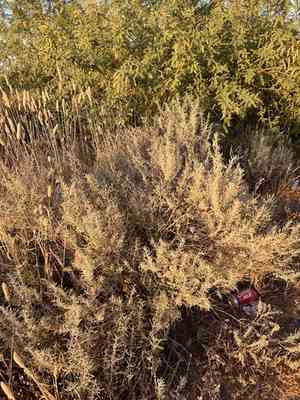
Slenderleaf saltbush flourishes when relocated from the beginning of spring through its end, benefiting from cooler, humid environments for root development. Confirm its placement in a bright, adequately draining spot to foster robust growth. Think about offering partial shade if the region is exceptionally dry.
What Preparations are Needed Before Transplanting Slenderleaf Saltbush?
What is the Ideal Time for Transplanting Slenderleaf Saltbush?
The best time to move slenderleaf saltbush, a perennial, is from the beginning to the end of spring. Moving it during this period allows the plant to benefit from optimal temperatures and growing conditions, fostering strong root development and vigorous growth throughout the season. Early spring relocation helps slenderleaf saltbush acclimate before summer heat.
How Much Space Should You Leave Between Slenderleaf Saltbush Plants?
For slenderleaf saltbush, aim for a separation of 12-18 inches (30-45 cm) between each plant. This provides ample room for growth and promotes good air circulation, which helps prevent disease.
What is the Best Soil Mix for Slenderleaf Saltbush Transplanting?
Prepare well-draining, sandy or loamy soil for slenderleaf saltbush. Enhance the soil with a foundational fertilizer containing compost or a balanced slow-release fertilizer to give your plant a strong start.
Where Should You Relocate Your Slenderleaf Saltbush?
Select a sunny spot for transplanting slenderleaf saltbush, as it flourishes best in full sun. Ensure your plant receives at least 6 hours of direct sunlight daily to thrive.
What Equipments Should You Prepare Before Transplantation Slenderleaf Saltbush?
Gardening Gloves
To safeguard your hands while handling soil and plants.
Shovel or Spade
For excavating the plant and creating the new planting hole.
Hand Trowel
Useful for working in confined areas and for more precise digging tasks.
Garden Fork
To gently loosen the soil surrounding the plant's root system.
Watering Can or Hose
To hydrate the plant before and after its relocation.
Bucket
Handy for transporting soil or compost to the new planting site.
Mulch
To help maintain soil moisture after the transplant.
How Do You Remove Slenderleaf Saltbush from the Soil?
How Do You Remove Slenderleaf Saltbush from the Soil?
From Ground: First, hydrate the slenderleaf saltbush plant to moisten the soil. Dig a wide trench around the plant using a shovel or spade, ensuring the plant's root ball remains intact. Carefully work the spade beneath the root ball to lift the plant from its original spot.From Pot: Water the slenderleaf saltbush plant thoroughly. Gently tip the pot on its side and tap the bottom to dislodge the plant. Carefully extract the plant by holding its base, not the stem, to prevent damage.From Seedling Tray: Lightly water the seedlings. Use a small trowel or a dull knife to loosen the soil around the tray's edges. Carefully lift each seedling out, supporting its root ball as much as possible.
Step-by-Step Guide for Transplanting Slenderleaf Saltbush
Site Preparation
Choose a location with adequate sunlight for your slenderleaf saltbush plant to reach its full size. Dig a hole that is twice as wide and the same depth as the root ball of your slenderleaf saltbush plant.
Soil Preparation
Amend the soil if necessary to ensure it is loose and drains well. Incorporate compost or organic matter if the soil quality needs improvement.
Transplanting
Place the slenderleaf saltbush plant into the prepared hole, ensuring it sits at the same depth as it was in its original location. Fill the hole with soil, gently firming it around the roots to eliminate air pockets.
Water Immediately
Water the plant thoroughly after transplanting to settle the soil around the roots and to help reduce transplant shock.
Mulching
Apply a layer of mulch around the base of the plant to help retain moisture and regulate soil temperature.
How Do You Care For Slenderleaf Saltbush After Transplanting?
Watering
Keep the soil around the slenderleaf saltbush consistently moist, but not waterlogged, for the first few weeks after transplanting to help establish strong roots.
Monitoring
Regularly inspect the plant for signs of stress, such as wilting or yellowing leaves, and address any issues promptly.
Weeding
Keep the area around the slenderleaf saltbush free from weeds to reduce competition for nutrients and water.
Protection
Shield the newly transplanted slenderleaf saltbush from harsh weather conditions, such as strong winds or intense sunlight, for the initial few weeks.
Troubleshooting Common Issues with Slenderleaf Saltbush Transplantation.
When is the best time to transplant slenderleaf saltbush?
Transplant slenderleaf saltbush from early spring to late spring for optimal growth and health.
How should I space slenderleaf saltbush after transplanting?
Space slenderleaf saltbush plants 12-18 inches (30-45 cm) apart to ensure ample growth room.
How do I prepare the soil for slenderleaf saltbush?
Use well-draining soil with a mix of compost to ensure proper nutrient flow for slenderleaf saltbush.
What should I do if the leaves turn yellow after transplanting slenderleaf saltbush?
Ensure slenderleaf saltbush is not overwatered and has proper drainage to prevent root rot and yellowing leaves.
How to avoid transplant shock in slenderleaf saltbush?
Water slenderleaf saltbush thoroughly before and after transplanting and avoid disturbing the roots too much.
Can I plant slenderleaf saltbush in full sun?
Yes, slenderleaf saltbush thrives in full sun, providing it with at least 6 hours of sunlight daily.
What is the ideal temperature for transplanting slenderleaf saltbush?
Transplant slenderleaf saltbush when temperatures range between 50-70°F (10-21°C) for best results.
How often should I water slenderleaf saltbush after transplanting?
Water slenderleaf saltbush regularly for the first few weeks, keeping the soil moist but not waterlogged.
What to do if slenderleaf saltbush wilts after transplanting?
Ensure slenderleaf saltbush is adequately watered, avoiding both water stress and waterlogging, to prevent wilting.
How can I tell if slenderleaf saltbush is transplanted successfully?
Healthy, new growth and firm, green leaves indicate successful transplantation of slenderleaf saltbush.



