How to Prune Slenderleaf saltbush?
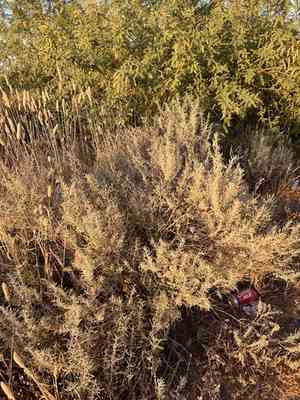
Atriplex semibaccata, or slenderleaf saltbush, is recognized for its narrow foliage and resilience to saline conditions. Perform trimming in the early spring prior to the emergence of new shoots. Concentrate on excising deceased or compromised limbs to foster robust development. Reducing overly dense stems can enhance air circulation and light exposure, thereby diminishing the likelihood of ailments. Consistent trimming stimulates thicker foliage and a more condensed form, elevating the plant's aesthetic appeal. Always employ sanitized, keen implements for accurate incisions. This guarantees the plant's strong vitality and vigor.
What Are the Benefits of Pruning Slenderleaf Saltbush?
What Are the Benefits of Pruning Slenderleaf Saltbush?
Slenderleaf saltbush thrives with trimming, which encourages robust development and maintains its form. Pruning aids in managing its size, enhances its visual appeal, and can avert issues with pests and diseases, ensuring the plant stays healthy and strong.
What Is the Best Time for Pruning Slenderleaf Saltbush?
What Is the Best Time for Pruning Slenderleaf Saltbush?
Trimming in early spring is optimal for slenderleaf saltbush as it coincides with the conclusion of its dormant phase and the onset of its active growth period. This timing helps prevent harm to the plant and allows for rapid recovery and vigorous growth throughout the season. Furthermore, pruning prior to the blooming phase ensures the plant can efficiently allocate energy for new growth and flowering, fostering overall health and vitality.
What Tools Do I Need to Prune Slenderleaf Saltbush?
Hand Pruners
These are perfect for making precise cuts on smaller branches and stems of slenderleaf saltbush. Choose bypass pruners for cleaner cuts, minimizing plant damage.
Loppers
Useful for thicker branches that hand pruners cannot manage. Their extended handles offer extra leverage, simplifying the pruning of mature slenderleaf saltbush stems.
Pruning Saw
Essential for cutting through large, woody stems. A pruning saw is efficient and reduces strain compared to attempting to cut thick branches with loppers.
Gloves
Protective gloves are vital to prevent injuries from sharp branches or tools while trimming slenderleaf saltbush.
How to Prune Slenderleaf Saltbush
Inspect
Carefully examine slenderleaf saltbush for any indications of diseased foliage, withered leaves, dead branches, and infected branches. Identifying these parts is crucial before proceeding.
Tool selection
Choose sanitized pruning shears or a small saw, depending on branch thickness. Ensuring tools are clean will prevent disease spread.
Remove withered leaves
Trim away any withered leaves by cutting them at their base, being careful not to harm healthy parts of slenderleaf saltbush. This helps the plant redirect energy to healthy growth.
Cut diseased parts
Prune diseased leaves and branches by cutting at least 6 inches below the affected area into healthy wood. Dispose of these parts far from the plant to prevent reinfection.
Dead branches removal
Cut back dead branches to the main stem or a healthy bud. Ensure cuts are clean and angled, which aids water runoff and prevents rot.
Common Pruning Mistakes with Slenderleaf Saltbush
Incorrect technique
Using improper pruning tools or methods can harm branches and impede the plantâs growth. Ensure tools are sharp and clean for precise cuts.
Improper amount
Excessive or insufficient pruning can either stress the plant or fail to stimulate desired growth. Over-pruning may lead to significant stress, while under-pruning might not remove necessary older growth.
Poor timing
Pruning at the wrong stage of the plantâs growth cycle can negatively impact its health and flowering. Timing should align with the plant's dynamic states, avoiding the critical growth phase (details previously discussed in other sections).
Common Pruning Tips for Slenderleaf Saltbush
Gentle thinning
Thin out the plant by removing any dead, diseased, or damaged branches. This helps improve airflow and light penetration, promoting healthier growth.
Maintain shape
Regularly maintain the plant's shape by selectively removing branches that disrupt its natural form. Focus on shaping gradually over time rather than drastic cuts.
Use sharp tools
Utilize sharp and sterilized pruning shears to ensure clean cuts. This reduces the risk of infections and promotes quicker healing of the wounds.
Focus on healthy growth
Encourage new growth by cutting back branches just above a bud or node. This helps direct the growth pattern and fosters a fuller, bushier plant over time.



