How to Transplant Lindley's saltbush?
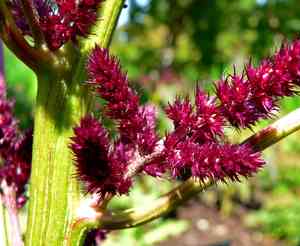
Lindley's saltbush flourishes when relocated in colder periods, specifically from late fall to early winter, which minimizes thermal strain. Select a bright, adequately drained spot. Minimizing root disruption is vital for successful integration.
What Preparations are Needed Before Transplanting Lindley's Saltbush?
What is the Ideal Time for Transplanting Lindley's Saltbush?
Relocate lindley's saltbush during the early to middle part of winter. This timing allows the plant to develop its root system before the spring's active growth phase. Cooler temperatures lessen transplant shock and reduce water needs. Early winter transfers benefit from lower soil temperatures, which promote root development, enhancing plant stability and vigor for the upcoming growing season.
How Much Space Should You Leave Between Lindley's Saltbush Plants?
When moving lindley's saltbush, position each plant 12-18 inches (30-45 cm) apart. This provides ample room for growth and ensures good air circulation, which helps prevent disease.
What is the Best Soil Mix for Lindley's Saltbush Transplanting?
Prepare well-draining soil for lindley's saltbush by blending sandy or loamy soil with a low-nitrogen base fertilizer. This creates an optimal environment for lindley's saltbush's roots to establish and flourish.
Where Should You Relocate Your Lindley's Saltbush?
Select a sunny location for transplanting lindley's saltbush, as it thrives in full sun. At least 6-8 hours of direct sunlight daily will ensure the most robust growth.
What Equipments Should You Prepare Before Transplantation Lindley's Saltbush?
Gardening Gloves
To safeguard your hands while handling soil and plants.
Shovel or Spade
To excavate the plant from its original spot and prepare the new planting hole.
Trowel
To assist in moving soil and carefully handling the plant during relocation.
Pruning Shears
For trimming any damaged roots or branches prior to planting.
Watering Can or Hose
To hydrate the plant before and after its move.
Mulch
To help maintain soil moisture and protect the plant.
Stakes and Ties
For providing support to taller plants if necessary.
How Do You Remove Lindley's Saltbush from the Soil?
How Do You Remove Lindley's Saltbush from the Soil?
From Ground: First, moisten the lindley's saltbush plant to dampen the soil. Then, dig a wide trench around the plant using a shovel or spade, ensuring the plantâs root ball remains intact. Carefully work the spade under the root ball to lift the plant from its original location.From Pot: Begin by watering the lindley's saltbush plant thoroughly in its pot. Gently turn the pot to its side and tap the bottom to loosen the soil. Carefully slide the plant out of the pot, being mindful not to damage the roots.From Seedling Tray: Water the lindley's saltbush seedling tray to loosen the soil. Use a trowel or small tool to gently lift each seedling, ensuring you keep the soil around the roots intact.
Step-by-Step Guide for Transplanting Lindley's Saltbush
Prepare the New Site
Excavate a hole in the new spot that is twice as wide and equally deep as the root ball of the lindley's saltbush plant. Ensure ample room for the roots to spread comfortably.
Amend the Soil
Incorporate any necessary soil enhancements to improve drainage and nutrient content if required.
Remove the Plant
Refer to the previous removal instructions to carefully extract the lindley's saltbush from its initial position, ensuring the root ball stays intact.
Place the Plant
Position the lindley's saltbush in the center of the newly dug hole. Ensure the top of the root ball is level with the ground surface.
Fill the Hole
Backfill the hole with soil, gently pressing it down around the roots to eliminate air pockets. Be careful not to plant the specimen too deeply.
Water Thoroughly
Water the plant deeply to help settle the soil and give the roots a strong start in their new home.
Apply Mulch
Add a layer of mulch around the base of the lindley's saltbush to help retain moisture and deter weeds.
How Do You Care For Lindley's Saltbush After Transplanting?
Watering
Keep the soil around the lindley's saltbush consistently moist, but not waterlogged, for the initial few weeks post-transplant to aid in root establishment.
Mulching
Maintain a layer of mulch around the plant's base to help retain moisture and shield the roots from temperature fluctuations.
Monitoring
Regularly inspect the plant for indications of stress, such as wilting or yellowing leaves, and adjust care as needed.
Support
Utilize stakes and ties if the plant is tall or unstable to prevent it from toppling until new roots are established.
Troubleshooting Common Issues with Lindley's Saltbush Transplantation.
When is the best time to transplant lindley's saltbush?
The optimal period to relocate lindley's saltbush is during early to mid-winter for prime root development.
What spacing is recommended for lindley's saltbush?
Space lindley's saltbush plants 12-18 inches (30-45 cm) apart to ensure sufficient growth and air circulation.
How should I prepare the soil for lindley's saltbush?
Ensure the soil drains well, is slightly alkaline, and enriched with organic matter.
What is the best way to dig up lindley's saltbush for transplanting?
Carefully dig around the root ball, keeping as much soil intact as possible to prevent shock.
How do I minimize transplant shock for lindley's saltbush?
Water thoroughly after transplanting, and consider using a root stimulator to help the plant adapt.
How deep should I plant lindley's saltbush after transplanting?
Plant lindley's saltbush at the same depth it was growing previously to avoid stress.
How often should I water lindley's saltbush after transplanting?
Water lindley's saltbush consistently until established, then reduce to a normal watering schedule.
Should lindley's saltbush be fertilized immediately after transplanting?
Wait several weeks before fertilizing lindley's saltbush to avoid burning the newly adjusting roots.
What type of mulch is best for lindley's saltbush after transplanting?
Use organic mulch like straw or wood chips to retain moisture and regulate soil temperature.
How much sunlight does lindley's saltbush need post-transplanting?
Ensure lindley's saltbush receives full sun to partial shade for healthy growth after relocation.



