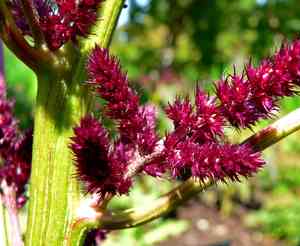
Lindley's saltbush (Atriplex lindleyi)
Also known as: Saltbush, Lindley's Saltbush
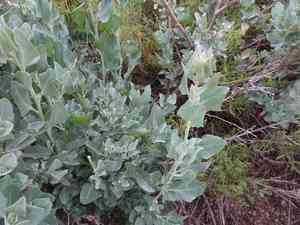
Lindley's saltbush is a hardy shrub well-adapted to saline and sandy environments. Its distinct silvery-green leaves are thick and scale-covered, helping to reflect sunlight and retain moisture efficiently. The plant's unassuming flowers and its capability to flourish in dry, challenging conditions highlight its resilience, enabling it to survive in areas where many other plants cannot.
In This Article
Attributes of Lindley's saltbush
Lifespan
Perennial
Plant Type
Herb
Plant Height
Up to 1 meter
Spread
Approximately 1.5 meters
Leaf Color
Silver-gray
Flower Size
Less than 1 cm
Flower Color
Yellow-green
Images of Lindley's saltbush
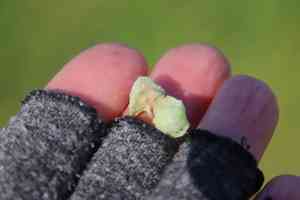
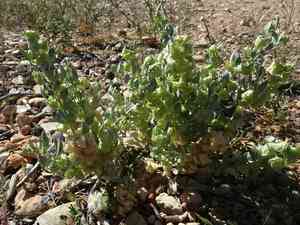
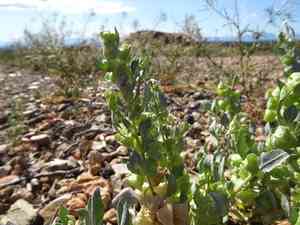
Quickly Identify Lindley's saltbush
1
Look for its silver-gray, scaly leaves and small, inconspicuous flowers. The plant often forms dense, low-growing mounds.
Scientific Classification of Lindley's saltbush
Phylum
Vascular plants
Class
Dicotyledons
Order
Caryophyllales
Family
Amaranth
Genus
Saltbush
Species
Lindley's saltbush
Planting and Growing of Lindley's saltbush
Care Difficulty
Moderate
Watering Schedule
Every 3 days
Sunlight Requirements
Full sun
Sunshine Duration
4-6 hours
Ideal Temperature
60-75℉
Soil Type
Potting Mix, Peat Mix
Soil pH
6.5-7.5
Fertilizer Type
Balanced
Pruning Season
Spring, Summer
Pruning Area
Branches, Leaves
Pruning Frequency
2 times a year
Repotting Season
Spring
Pot Type
Plastic, Terracotta
 How to Water Lindley's saltbush?
For Atriplex lindleyi, the watering should ideally penetrate the soil to about six inches deep, ensuring that the entire root zone is adequately soaked. This means approximately 200 milliliters per session, depending on your soil type and drainage capacity.
What are the symptoms of an underwatered Lindley's saltbush?
›
What should I do if my Lindley's saltbush is not getting enough water?
›
What are the symptoms of an overwatered Lindley's saltbush?
›
How to save an overwatered Lindley's saltbush?
›
 What Are the Sunlight Requirements for Lindley's saltbush?
Atriplex lindleyi thrives best under full sun, which ensures efficient photosynthesis and robust growth. Full sunlight improves plant vigor, enhances leaf coloration, and strengthens resistance to environmental stressors.
Best environment for Atriplex lindleyi
›
Solutions for optimizing sunlight exposure
›
Benefits of ideal sunlight exposure
›
 What Is the Ideal Temperature Range for Lindley's saltbush?
What is the ideal temperature range for growing Atriplex lindleyi? The ideal temperature range for Atriplex lindleyi is between 60°F and 75°F. This range provides the optimum conditions for growth and metabolic processes. In this range, the plant can effectively perform photosynthesis and maintain its physiological processes, which ensure optimal development and vigor.
 What Soil is Best for Lindley's saltbush?
Atriplex lindleyi thrives best in well-draining soil. The ability of the soil to drain water efficiently prevents root rot, a common issue when soil retains too much moisture. This environment is akin to its natural habitat, ensuring a healthy growth pattern. Interestingly, Atriplex lindleyi does not require nutrient-rich soil, as it is adapted to survive in nutrient-poor conditions. This makes it ideal for areas with less fertile soil, as it can still flourish without the need for heavy fertilization. While Atriplex lindleyi tolerates slightly alkaline conditions, ensuring the soil pH remains within its comfortable range supports nutrient uptake and prevents nutrient lockout. This fine balance is crucial for its overall health and development.
 How to Fertilize Lindley's saltbush?
For Atriplex lindleyi, use a balanced liquid fertilizer at half the strength recommended on the package. Apply about 50-100 mL per plant, directing the solution at the base for optimal absorption without harming the foliage.
 How to Prune Lindley's saltbush?
Begin by assessing the structure of the plant. Prioritize removing dead or damaged branches first. Plan your cuts to enhance the plant's natural silhouette, paying close attention to any overcrowding that could impact airflow. Use sharp shears to make precise cuts just above a leaf node or side branch. This encourages new growth and maintains the plant’s aesthetics. Cut back any overly long shoots to keep the plant compact. After pruning, water the plant moderately and apply a gentle fertilizer to aid recovery. Monitor the plant for any signs of stress or disease, adjusting environmental conditions as necessary.
More About Pruning Techniques→
 How to Propagate Lindley's saltbush plant?
1
Collect seeds from mature Atriplex lindleyi plants in late autumn when the seeds are fully ripe but before they disperse naturally. Dry them out thoroughly to prevent mold or decay.
2
Fill seed trays with potting soil and sow the seeds on the surface, gently pressing them to ensure contact with the soil. Do not cover them too deeply to prevent hindering germination.
3
Mist the soil surface lightly to avoid washing the seeds away. Place the seed tray in a sunny and warm spot, maintaining consistent moisture without waterlogging.
 How to Repot Lindley's saltbush plant?
1
Repotting Atriplex lindleyi is best when you notice its roots poking through the drainage holes or if the plant looks too crowded in its pot. This usually happens every one to two years, indicating it's time for a bigger space to allow healthy growth and avoid root bound.
2
Opt for a pot just a size larger than the current one and ensure it has multiple drainage holes. A slightly larger pot prevents waterlogging, allowing roots the space they need to breathe and expand, contributing to healthier plant growth and preventing rot.
3
Choose a well-draining sandy mix, ideally one formulated for succulents, to mimic Atriplex lindleyi’s natural habitat. This soil type ensures proper moisture levels, prevents root rot, and provides the essential nutrients for optimal growth.



