How to Prune Lindley's saltbush?
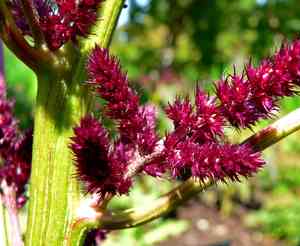
Lindley's saltbush is a robust, arid-resistant bush featuring silver-hued foliage, flourishing in salty ground. Trim lindley's saltbush in the latter part of winter or early spring prior to the emergence of new shoots. Eliminate any lifeless or impaired branches, reduce density in congested zones, and sculpt the plant to enhance air movement and light exposure. This fosters energetic development and sustains an appealing structure. Trimming additionally aids in controlling the plant's dimensions and encourages more vibrant, durable leaves. Consistent trimming guarantees a sturdy and visually pleasing look throughout the year.
What Are the Benefits of Pruning Lindley's Saltbush?
What Are the Benefits of Pruning Lindley's Saltbush?
Lindley's saltbush thrives with pruning, leading to more robust growth and a desirable form. This practice fosters vigorous development, enhances resistance to pests and illnesses, and keeps lindley's saltbush visually appealing and well-managed.
What Is the Best Time for Pruning Lindley's Saltbush?
What Is the Best Time for Pruning Lindley's Saltbush?
Trimming lindley's saltbush from late winter to early spring is ideal, aligning with its natural growth cycle. This period allows for rapid recovery as the plant enters its active growth phase. Pruning before new growth emerges minimizes stress and encourages strong, healthy development. Furthermore, this timing avoids disrupting flowering or fruiting, ensuring peak plant health and output.
What Tools Do I Need to Prune Lindley's Saltbush?
Bypass Pruners
Perfect for cleanly cutting live green stems with accuracy and minimal harm, crucial for maintaining plant vitality during routine care of lindley's saltbush.
Loppers
Necessary for reaching and severing thicker branches too large for hand pruners, improving the ability to shape and manage the structure of lindley's saltbush.
Pruning Saw
Recommended for addressing the occasional thicker or woody stem, ensuring clean cuts that prevent jagged wounds which could invite disease to lindley's saltbush.
Gloves
Essential for safeguarding hands from sharp branches and ensuring a secure grip on tools while trimming lindley's saltbush.
Sanitizing Solution
Vital for cleaning pruning implements before and after use to prevent disease transmission, especially important for keeping lindley's saltbush healthy.
How to Prune Lindley's Saltbush
Inspect
Carefully examine lindley's saltbush to locate any diseased or withered foliage. Use a thorough visual check to differentiate these from healthy leaves.
Sanitize
Prior to starting the pruning process, disinfect your pruning tools with a mixture of one part bleach to nine parts water to prevent disease spread.
Remove diseased leaves
Utilize disinfected pruning shears to cut off any leaves exhibiting signs of illness. Make cuts close to the leaf stem's base without harming the main plant stem.
Remove withered leaves
Trim any dried-up leaves by cutting them at the base of their stem. Ensure all cuts are neat and smooth to encourage healthy regrowth.
Dispose properly
Gather all removed diseased and withered leaves and discard them away from the plant and compost area to prevent any potential spread of pathogens.
Common Pruning Mistakes with Lindley's Saltbush
Poor technique
Incorrect cutting tools or making ragged cuts can harm lindley's saltbush instead of helping it. Using dull tools can cause tearing, potentially leading to diseases.
Timing errors
Pruning at the wrong time can stress lindley's saltbush, impacting its ability to bloom and grow correctly. Be sure to understand the appropriate seasonal context.
Over-pruning
Removing too much foliage at once can weaken lindley's saltbush, reducing its vitality and making it more vulnerable to pests and diseases.
Neglecting deadwood
Failing to remove dead or diseased branches can allow illnesses to spread, affecting the overall health of lindley's saltbush.
Wrong placement of cuts
Cutting too close to the main stem or leaving too large a stub can disrupt the natural healing process, potentially inviting infections.
Common Pruning Tips for Lindley's Saltbush
Use sharp tools
Ensure your pruners and shears are sharp and clean to make precise and clean cuts, which helps lindley's saltbush heal faster and reduces the risk of disease.
Focus on health
Prioritize removing dead, diseased, or broken branches. This encourages better air circulation and sunlight penetration, keeping lindley's saltbush healthy.
Make careful cuts
When cutting, do so just above a bud or side branch to encourage better growth patterns. Eliminate crossing or rubbing branches to prevent wounds.
Thin densely packed areas
Thinning out areas that are too dense will help improve light and air penetration, promoting healthier growth of lindley's saltbush.
Go slowly
Especially for novice gardeners, it's better to prune a little at a time rather than all at once. This helps avoid over-pruning and allows you to observe how lindley's saltbush responds to each cut.



