How to Transplant Shadscale saltbush?
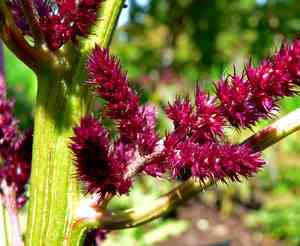
Relocate shadscale saltbush during the peak warmth of late spring through early summer to ensure optimal establishment. Select a location featuring soil that drains effectively, offering protection from powerful gusts. Infrequent, thorough watering after transplantation encourages vigorous root development.
What Preparations are Needed Before Transplanting Shadscale Saltbush?
What is the Ideal Time for Transplanting Shadscale Saltbush?
The optimal period to move shadscale saltbush is from late spring through mid-summer, aligning with its peak growth phase. Relocating shadscale saltbush during this interval ensures strong root development and minimizes stress. A mid-summer transfer provides the warmth shadscale saltbush prefers, promoting better adaptation and vigor. This synchronized timing supports nature's cycle, allowing shadscale saltbush to flourish in its new environment.
How Much Space Should You Leave Between Shadscale Saltbush Plants?
When planning to establish your shadscale saltbush in their new location, envision their mature size. Provide a generous spacing of approximately 36-60 inches (91-152 cm) between them. This ample room allows them to thrive without competing for sunlight or essential nutrients.
What is the Best Soil Mix for Shadscale Saltbush Transplanting?
For your shadscale saltbush, prepare a comfortable bed with well-draining soil, as they dislike overly wet conditions. Incorporating gritty materials like sand or gravel is highly beneficial. Add some balanced, slow-release fertilizer to encourage gentle growth.
Where Should You Relocate Your Shadscale Saltbush?
Your shadscale saltbush loves being in bright light, so find a sunny spot where they can receive at least 6 hours of direct sunlight daily. This sun-loving plant will reward you with vigorous growth and vibrant health.
What Equipments Should You Prepare Before Transplantation Shadscale Saltbush?
Gardening Gloves
To safeguard your hands while handling soil and plants.
Shovel or Spade
For excavating the plant and preparing the new planting site.
Hand Trowel
For more precise tasks around the roots and smaller digging efforts.
Watering Can or Hose
To hydrate the shadscale saltbush before and after relocation.
Wheelbarrow or Garden Cart
For transporting the shadscale saltbush and soil materials.
Pruning Shears
To trim any damaged roots or stems if necessary.
Measuring Tape
To ensure correct spacing between transplanted specimens.
Stakes or Plant Supports
To stabilize the shadscale saltbush if required post-transplanting.
How Do You Remove Shadscale Saltbush from the Soil?
How Do You Remove Shadscale Saltbush from the Soil?
From Ground: First, irrigate the shadscale saltbush to moisten the soil, facilitating easier removal. Dig a wide circle around the plant using a shovel or spade, aiming to include as much of the root system as possible. Carefully slide the spade beneath the root ball to lift the plant from the ground with minimal root disturbance.From Pot: Water the shadscale saltbush thoroughly. Turn the pot on its side, tap the base, or press the sides to loosen the soil. Gently pull the plant by its base, easing the root ball out while preserving as much root structure as possible.From Seedling Tray: Dampen the soil in the tray. Carefully scoop each seedling using a hand trowel or your fingers, being careful to keep the delicate root system intact. Support the root ball to prevent it from breaking apart.
Step-by-Step Guide for Transplanting Shadscale Saltbush
Preparation
Water your shadscale saltbush thoroughly the day before transplanting to hydrate its roots and reduce stress during the move.
Rootball Care
Gently extract the shadscale saltbush from its current spot, ensuring the root ball remains as intact as possible.
Transplant Hole
Dig a hole in the new location that is twice as wide and just as deep as the shadscale saltbush's root ball.
Placement
Lower the shadscale saltbush's root ball into the hole. The top of the root ball should be level with the ground surface. Adjust the hole depth if needed.
Refill
Backfill the hole carefully with the excavated soil, lightly compacting it around the root ball to remove air pockets.
Watering
Water the shadscale saltbush deeply after planting to settle the soil and ensure good root-to-soil contact.
Support
If the shadscale saltbush is tall or in a windy area, insert stakes around the plant and loosely tie the plant to provide support.
How Do You Care For Shadscale Saltbush After Transplanting?
Initial Watering
Water the shadscale saltbush generously immediately after transplanting to aid its recovery from transplant shock.
Ongoing Watering
Provide water to the shadscale saltbush every few days for the first month, then adjust based on its needs and local weather conditions.
Monitoring
Observe the shadscale saltbush for signs of stress, such as wilting or discoloration, and take appropriate action.
Support Adjustment
Check and adjust any supports or ties to ensure they are not too tight and are providing adequate support as the shadscale saltbush grows.
Weeding
Regularly remove any weeds around your shadscale saltbush to minimize competition for nutrients and water.
Trimming
Prune away any dead or damaged branches to encourage healthy growth and improve air circulation.
Troubleshooting Common Issues with Shadscale Saltbush Transplantation.
Why is my shadscale saltbush not thriving after transplantation?
Ensure you're relocating shadscale saltbush during the optimal period of early to mid-summer and maintaining the recommended spacing of 36-60 inches (91-152 cm). Also, verify proper soil drainage and adequate watering.
What's the best time of year to transplant shadscale saltbush?
The ideal time for transplanting shadscale saltbush is during early to mid-summer when they can establish themselves in the warm, active growing season.
How often should I water shadscale saltbush after transplanting?
Water shadscale saltbush thoroughly post-transplantation, then gradually reduce to normal as the plant establishes itself, paying attention to soil moisture levels.
How can I tell if shadscale saltbush has transplant shock?
Indicators include wilting, yellowing leaves, or stunted growth. Keep the soil moist and shield shadscale saltbush from extreme conditions during its recovery.
What soil conditions does shadscale saltbush require for successful transplanting?
Sandy, well-draining soil with a small amount of organic matter is perfect for shadscale saltbush. Avoid waterlogged or excessively rich soils.
Can I transplant shadscale saltbush in compacted soil?
No, shadscale saltbush thrives in loose, well-aerated soil. Compacted soil can impede root expansion and water absorption, hindering establishment.
Is it necessary to fertilize shadscale saltbush after transplanting?
Initially, prioritize good soil preparation over fertilization. If growth appears slow, a balanced, slow-release fertilizer can be carefully applied.
Can shadscale saltbush be planted closer than 36 inches (91 cm) apart?
While it might be tempting, it's best to adhere to the recommended spacing of 36-60 inches (91-152 cm) to allow ample room for growth and air circulation.
What level of sun exposure does shadscale saltbush need?
Full sun is ideal for shadscale saltbush. Choose a sunny location to help your transplanted plant thrive and avoid shaded areas that could hinder growth.
How deep should I plant shadscale saltbush when transplanting?
The hole should be just deep enough so that the root ball sits level with the soil surface, promoting proper root establishment and growth.



