How to Propagate Shadscale saltbush?
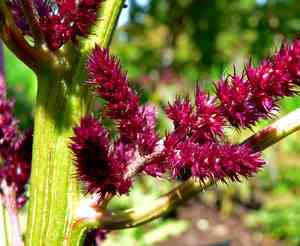
Atriplex confertifolia, a resilient shrub, thrives in dry environments and adapts to diverse soil compositions. Its reproduction via seeding involves preparing a substrate that drains effectively, as surplus water is harmful. Seeds must be sown on the surface, as they need light for sprouting. Sufficient distance between seeds is essential to avoid congestion, which can hinder development and foster illness. Following germination, it's important to decrease irrigation, replicating the arid native environment of Atriplex confertifolia, and ensuring young plants develop robust, extensive root systems.
What Is the Best Time To Propagate Shadscale Saltbush?
Propagation Type
Cutting
Propagation Season
Spring,Summer
What Tools Are Used in Shadscale Saltbush Propagation?
Sharp Pruning Shears
Crucial for obtaining clean, precise cuttings from shadscale saltbush. Sharp blades minimize damage to parent plants, encouraging healthier regrowth and lowering infection risk.
Rooting Hormone Powder
This product assists in stimulating root development from shadscale saltbush cuttings. Applying it to the cut end before planting boosts rooting success, especially for arid-adapted species like shadscale saltbush.
Sterile Potting Mix
Offers a clean, well-draining growth medium, reducing the chance of fungal infections. For shadscale saltbush, a mix suited for succulents or desert plants is ideal, replicating its natural arid environment.
Small Pots or Trays
Utilized for housing the initial shadscale saltbush cuttings. Allows for individual care and monitoring of propagation progress. Choose containers with good drainage to prevent waterlogging.
Misting Bottle
Aids in gently hydrating shadscale saltbush cuttings without disturbing newly forming roots. Regular misting is essential for maintaining the moisture needed for root development.
Plastic Covers or Domes
Establish a humid microenvironment around shadscale saltbush cuttings, crucial for promoting moisture retention and root growth, accommodating shadscale saltbush's moisture-sensitive propagation requirements.
How to Propagate Shadscale Saltbush?
Propagation Type
Moderately Difficult
How to Care for Your Newly Propagated Shadscale Saltbush?
How to Care for Your Newly Propagated Shadscale Saltbush?
Once roots have formed, gradually introduce the rooted shadscale saltbush cuttings to less humid conditions by creating small openings in the plastic cover or opening propagator vents daily. This hardening-off process prevents shock and allows plants to slowly adjust to the external environment. Ensure young plants receive regular but not excessive watering, as shadscale saltbush tolerates dry conditions. Eventually, transplant young plants into larger containers or directly into soil in a full-sun location. Provide minimal care, as shadscale saltbush thrives in low-nutrient, well-drained soils and requires little watering once established.
Common Mistakes to Avoid When Propagating Shadscale Saltbush
Overwatering
Excessive watering is a common error when propagating shadscale saltbush, as this species is adapted to dry climates and needs minimal moisture. Too much water can cause root rot, impairing plant health and reducing survival rates during propagation.
Using rich soil
Gardeners often incorrectly use nutrient-rich soil for shadscale saltbush, overlooking its natural preference for poor, well-drained soils. Rich soils can retain too much moisture and potentially harm the plant's root system.
Excessive fertilization
Shadscale saltbush naturally thrives in low-nutrient conditions, making it very sensitive to over-fertilization. Too much fertilizer can lead to nutrient burn, negatively impacting root development and overall plant health.
Tips For Propagating Shadscale Saltbush
Use well-draining soil
Employ a substrate that mimics shadscale saltbush's natural environment, such as a sandy soil mix with low organic content. This ensures proper drainage and prevents waterlogging, vital for successful propagation.
Moderate watering
Provide just enough water to keep the soil slightly damp, especially immediately after planting cuttings or seeds. Once established, reduce watering frequency, consistent with shadscale saltbush's drought-tolerant nature.
Avoid excessive nutrients
Minimize fertilizer use when propagating shadscale saltbush. If supplementation is necessary, apply a low-strength, balanced fertilizer sparingly to prevent nutrient overload.



