Enhancing Your Garden Design with the Shadscale saltbush Plant: A Landscaping Guide
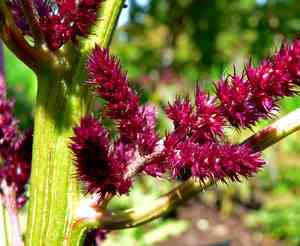
1
Shadscale saltbush tolerates dry conditions well, perfect for low-water landscaping.
2
Shadscale saltbush offers superb ground stabilization, aiding in erosion control.
3
Shadscale saltbush draws in diverse fauna, boosting your garden's ecological variety.
Exploring the Visual Appeal of Shadscale Saltbush
Distinctive foliage and texture
A prominent characteristic of Shadscale saltbush is its unique leaf structure and feel. The leaves are small and tightly packed, giving the plant a sturdy yet delicate appearance. The subtle silvery-green color of the foliage can reflect sunlight, creating a shimmering effect in your garden. Unlike many plants, Shadscale saltbush retains its texture year-round, offering a consistent visual element whether used in expansive landscape designs or smaller garden areas.
Shades and hues
The seasonal color shifts of Shadscale saltbush introduce a dynamic visual element to your landscape. In spring and summer, the leaves are typically a vibrant green, transitioning to more subdued, earthy tones as autumn approaches. These color changes can result in a visually engaging garden that transforms throughout the year, providing a fresh look each season.
Practical Advantages of Incorporating Shadscale Saltbush into Your Landscape
Minimal water requirements
Shadscale saltbush is exceptionally well-suited for water-efficient gardening. Its deep root system enables it to thrive in arid conditions, needing very little irrigation once established. This makes it an excellent option for gardeners aiming to reduce water consumption without sacrificing beauty and greenery in their landscapes.
Soil stabilization and erosion prevention
Adding Shadscale saltbush to your garden can significantly enhance soil stability and help prevent erosion. The plant's robust root system binds the soil, lessening the risk of erosion, particularly on sloped areas. This makes Shadscale saltbush not only an attractive choice but also a practical one for preserving the integrity of your landscape.
Wildlife habitat support
Shadscale saltbush plays a vital role in supporting local wildlife. It offers food and shelter for various species, including birds and small mammals. The dense foliage provides protection, while its seeds serve as a food source. By integrating Shadscale saltbush into your garden, you contribute to a flourishing ecosystem right in your backyard.
Integrating Shadscale Saltbush into Various Landscaping Styles
Desert and xeriscape designs
For those interested in creating a desert or xeriscape garden, Shadscale saltbush is an ideal choice. Its drought tolerance and ability to thrive in poor soil conditions make it a staple in these garden types. You can combine Shadscale saltbush with other drought-resistant plants like succulents and cacti to create a low-maintenance, visually stunning landscape that conserves water.
Contemporary and minimalist settings
In modern and minimalist landscapes, Shadscale saltbush can be utilized to achieve a sleek, contemporary aesthetic. Its uniform texture and subdued color palette blend seamlessly with modern design elements such as concrete, wood, and metal. You can employ Shadscale saltbush in geometric planting arrangements or as a neutral backdrop to highlight other focal points in your garden.
Caring for Shadscale Saltbush in Your Garden
Basic upkeep guidelines
Maintaining Shadscale saltbush in your garden is relatively simple. This resilient plant requires minimal care once established. Regular watering during the initial planting phase aids in root system development. Afterward, an occasional deep watering during extended dry periods should suffice. Additionally, it's advisable to prune any dead or damaged branches to maintain its shape and health.
Seasonal considerations
While Shadscale saltbush performs well year-round, there are a few seasonal aspects to consider. In the spring, you might want to apply a light layer of mulch to help retain moisture as temperatures rise. During the autumn, removing any fallen leaves or debris around the plant can prevent potential pest issues. Finally, winter care is minimal, as Shadscale saltbush tolerates cold temperatures well.
Innovative Applications of Shadscale Saltbush in Landscape Features
Inclusion in rock gardens
Shadscale saltbush is an excellent addition to rock gardens. Its compact size and interesting foliage create a beautiful contrast with rocks and stones. You can plant Shadscale saltbush in clusters around larger rocks or use it to fill gaps between stones. Pairing Shadscale saltbush with other rock garden plants can create a natural, cohesive look that enhances the overall aesthetic of your garden.
As natural boundaries or dividers
Utilizing Shadscale saltbush as a natural border or partition in your garden is another creative way to incorporate this versatile plant. Its dense growth habit makes it ideal for creating low hedges or defining different garden areas. Whether lining pathways or separating garden beds, Shadscale saltbush adds a touch of natural elegance while serving practical purposes.



