How to Transplant Alpine lady fern?
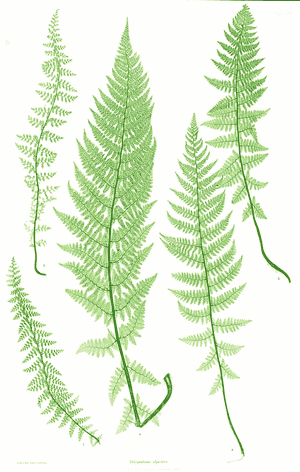
Relocate alpine lady fern during the revitalizing period of early to late spring, facilitating prime root development before summer. Select spots offering partial shade and damp, adequately draining earth. Careful manipulation aids alpine lady fern's fragile root system throughout the procedure.
What Preparations are Needed Before Transplanting Alpine Lady Fern?
What is the Ideal Time for Transplanting Alpine Lady Fern?
The best period for relocating alpine lady fern spans from the refreshing start of early spring to the lively beginning of early summer. Moving alpine lady fern during this season takes advantage of the cool yet warming ground and abundant spring rainfall, promoting smooth root establishment in their new spot. By selecting this timeframe, you're providing alpine lady fern with the perfect combination of nature's supportive elements, crucially setting the stage for strong development and a burst of green fronds.
How Much Space Should You Leave Between Alpine Lady Fern Plants?
Greetings! For your lovely alpine lady fern, you'll want to provide each plant ample room to thrive. Aim to space them approximately 12-18 inches (30-45 cm) apart. This will guarantee they have sufficient area to grow and won't compete for resources.
What is the Best Soil Mix for Alpine Lady Fern Transplanting?
Before placing alpine lady fern into your garden, let's prepare the perfect bed! Seek a soil that is rich and drains effectively. Incorporating some organic compost as a foundational fertilizer works wonders. This special touch will create a nourishing environment for alpine lady fern's roots.
Where Should You Relocate Your Alpine Lady Fern?
When selecting a site for your alpine lady fern, you should seek an area that provides partial to full shade. Since alpine lady fern prefers a cooler climate away from the intense midday sun, a spot that mimics its natural alpine habitat will be absolutely ideal!
What Equipments Should You Prepare Before Transplantation Alpine Lady Fern?
Gardening Gloves
To safeguard your hands while handling soil and plants.
Spade or Garden Trowel
For digging and moving earth.
Watering Can or Hose
To hydrate the alpine lady fern before and after relocation.
Gardening Fork
For loosening the soil around the root mass.
Pruning Shears
To trim any dead or excess foliage.
Measuring Tape
To maintain correct spacing between planting locations.
Wheelbarrow or Plant Dolly
For moving the alpine lady fern if it's large or heavy.
Organic Mulch
To help retain soil moisture and regulate temperature after transplanting.
How Do You Remove Alpine Lady Fern from the Soil?
How Do You Remove Alpine Lady Fern from the Soil?
From Ground: Hydrate the alpine lady fern to moisten the soil. Then, use a gardening fork to loosen the soil surrounding the plant. Carefully create a circle around the plant with a spade or garden trowel, ensuring to include the entire root ball. Gently ease the spade underneath and lift the alpine lady fern, taking care not to harm the root system.From Pot: Start by watering the plant to facilitate root ball removal. Gently tap the sides of the pot to loosen the soil. Tilt the pot sideways and carefully coax the alpine lady fern out while supporting the plant with your other hand. If the plant is stuck, gently use a spade to help dislodge it from the pot without causing damage to the root ball.From Seedling Tray: Water the seedlings lightly to prepare for relocation. Carefully loosen the soil around each alpine lady fern with a gardening tool such as a dibber or a pencil. Gently lift the seedling by its leaves, not the delicate stem, and ease the root ball out of the tray.
Step-by-Step Guide for Transplanting Alpine Lady Fern
Preparation
Water your alpine lady fern thoroughly the day before transplanting to hydrate the plant and simplify its removal from its current spot.
Digging the New Hole
Excavate a hole in the ground that is twice as wide and the same depth as the root ball of your alpine lady fern.
Inspecting and Trimming
Once removed, examine the root ball for any signs of disease or damage. Use the pruning shears to remove any dead roots.
Positioning
Place the alpine lady fern in the center of the new hole. Ensure that the top of the root ball is level with the surrounding soil surface.
Backfilling
Fill in the hole gently with the excavated soil, carefully working it around the roots without compacting it too firmly.
Watering
Water the plant generously after transplanting to help settle the soil around the roots and eliminate air pockets.
Mulching
Apply a layer of organic mulch around the base of the alpine lady fern, avoiding direct contact with the stem, to help retain moisture and suppress weeds.
How Do You Care For Alpine Lady Fern After Transplanting?
First Week Care
Water the alpine lady fern daily unless rainfall is sufficient to keep the soil moist. This aids in its establishment in the new location.
Monitoring Growth
Observe the alpine lady fern for indications of transplant shock, such as wilting leaves or stunted growth, and address any issues promptly.
Pruning
Periodically prune the alpine lady fern to remove any dead or yellowing foliage, which will encourage healthy growth and air circulation.
Continued Watering
After the initial week, reduce watering frequency to when the soil feels dry to the touch. Excessive watering can lead to root rot.
Mulch Refreshment
Check and replenish the mulch layer as needed to maintain its benefits throughout the growing season.
Troubleshooting Common Issues with Alpine Lady Fern Transplantation.
What's the best time of year to transplant alpine lady fern?
Optimal transplanting time is when the weather is mild, ideally in early to mid-spring.
How far apart should I space alpine lady fern when transplanting?
Provide a generous spread, situating alpine lady fern at intervals of 12-18 inches (30-45 cm) for ideal growth.
Should I water alpine lady fern immediately after transplanting?
Absolutely, give alpine lady fern a good drink post-transplant to help settle the soil and reduce transplant shock.
Why are my transplanted alpine lady fern's leaves turning brown?
Leaf browning can indicate stress; ensure alpine lady fern is adequately watered and not exposed to harsh sun.
How deep should the hole be for transplanting alpine lady fern?
Dig a hole that’s just deep enough to accommodate alpine lady fern's root ball without crowding.
How can I tell if alpine lady fern is ready to be transplanted?
Alpine lady fern is ready when new growth appears and the plant is not flowering or dormant.
Is it normal for alpine lady fern to wilt after transplanting?
Some wilting is normal; ensure proper care and alpine lady fern should perk up in a few days.
What soil conditions are best for transplanting alpine lady fern?
Alpine lady fern thrives in moist, well-drained soil rich in organic matter.
Can I fertilize alpine lady fern right after transplanting?
Wait a few weeks before fertilizing to allow alpine lady fern to establish in its new location.
How should I handle alpine lady fern's roots during transplanting?
Handle roots gently, spread them out in the hole, and ensure they're not twisted or cramped.



