How to Prune Alpine lady fern?
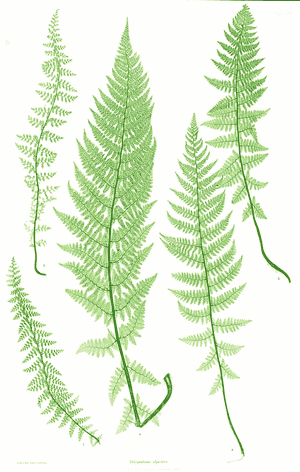
This fern, recognized for its plume-like foliage and resilience in chilly environments, needs very little trimming. For alpine lady fern, detach withered or compromised fronds in early spring or late winter to encourage robust development and preserve its appearance. Trimming during its inactive period reduces strain on alpine lady fern. No complex methods are necessary, and this upkeep guarantees the plant's strength and wards off ailments. The straightforward action of pruning improves air movement and can revitalize the plant for the upcoming growth period.
What Are the Benefits of Pruning Alpine Lady Fern?
What Are the Benefits of Pruning Alpine Lady Fern?
Trimming alpine lady fern can revitalize the plant, fostering a lush, full shape. By selectively removing old fronds, gardeners ensure alpine lady fern retains its form and flourishes, preventing sparseness and promoting robust vitality.
What Is the Best Time for Pruning Alpine Lady Fern?
What Is the Best Time for Pruning Alpine Lady Fern?
Pruning alpine lady fern in late winter or early spring is ideal because the plant is still dormant, minimizing the risk to new growth. Trimming during these seasons prepares alpine lady fern for new development by removing dead or damaged fronds, improving air circulation, and reducing disease risk. Additionally, the plant's energy is directed towards root growth, making it less susceptible to pruning stress. It's also easier to discern the plant's structure without foliage, allowing for more precise cuts. Avoiding late spring and summer pruning is crucial to prevent disrupting alpine lady fern's natural growth cycle and reproductive processes.
What Tools Do I Need to Prune Alpine Lady Fern?
Hand Pruners
For precise removal of dead or damaged fronds on alpine lady fern, hand pruners are perfect. They enable clean, close cuts without harming the fern's delicate fronds.
Garden Scissors
Alpine lady fern requires careful trimming around its intricate leaves. Garden scissors offer the necessary control and accuracy for maintaining the plant's shape and health.
Gloves
When pruning alpine lady fern, gloves protect hands from any rough edges or potential skin irritants on the plant or in the soil.
Pruning Saw
If alpine lady fern has any larger, tougher stems that need removal, a pruning saw can simplify the task. However, this is less common as alpine lady fern typically has fine fronds.
How to Prune Alpine Lady Fern
Clean tools
Before starting, ensure all pruning tools are clean and sharp to prevent the spread of any diseases to alpine lady fern.
Identify parts
Examine alpine lady fern to pinpoint any diseased or withered leaves. These are the sections that will need trimming.
Prune diseased
Carefully remove diseased leaves by cutting them at their base where they connect to the stem or the central root clump. Dispose of these leaves to prevent contamination.
Prune withered
Trim away any withered leaves using the same method, cutting them at the base to maintain aesthetic appeal and encourage healthy growth.
Cleanup
After pruning, clear away any fallen leaves around alpine lady fern to keep the area tidy and reduce the likelihood of fungus or pests.
Common Pruning Mistakes with Alpine Lady Fern
Over-pruning
Removing too much foliage at once can stress alpine lady fern and impede its growth. It's important to avoid cutting back more than one-third of alpine lady fern's fronds.
Improper technique
Using dull or unclean tools can damage the fronds and introduce disease. This can lead to poor plant health and an unattractive appearance.
Pruning live fronds
Cutting live, healthy fronds can limit alpine lady fern's ability to photosynthesize and thrive. Pruning should focus on removing dead or damaged fronds only.
Neglecting plant structure
Failing to consider alpine lady fern's natural shape when pruning can result in an unnatural appearance and potentially harm the plant's growth pattern.
Common Pruning Tips for Alpine Lady Fern
Sharp and clean tools
Use sharp, sterilized pruning shears to make clean cuts. This helps to prevent disease and minimizes damage to alpine lady fern.
Dead and damaged fronds
Focus on removing dead, dying, or damaged fronds, which can harbor pests and diseases. This cleanup promotes healthier and more vigorous growth.
Thin out dense areas
Lightly thin out dense areas if necessary to improve air circulation, which can help prevent fungal infections.
Growth direction
When pruning, be mindful of the direction in which the fronds grow, to maintain alpine lady fern's natural shape and aesthetic appeal.



