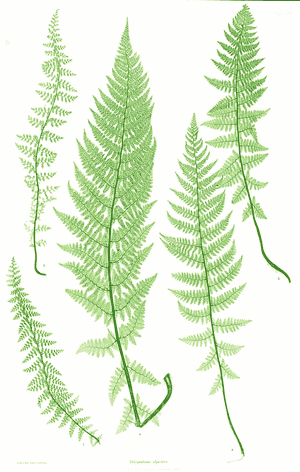
Alpine lady fern (Athyrium distentifolium)
Also known as: Alpine Lady-fern, Alpine fern
The Alpine lady fern, *Athyrium distentifolium*, is a delicate perennial located primarily in the Northern hemisphere. Although it is considered nationally scarce, it thrives under proper care and is easy to maintain. This plant forms compact clumps, making it an excellent choice for ground cover. The name *Athyrium* is derived from the Greek word "athyros," meaning "doorless," which refers to the large openings of its spore cases.
In This Article
Attributes of Alpine lady fern
Lifespan
Perennial
Plant Type
Fern
Plant Height
40 cm to 1.1 m
Spread
30 cm to 60 cm
Leaf Color
Dark green
Flower Size
N/A (Ferns do not produce flowers)
Flower Color
N/A (Ferns do not produce flowers)
Images of Alpine lady fern
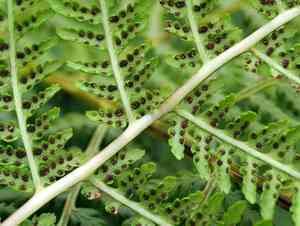
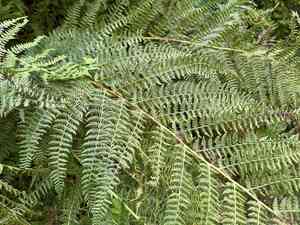
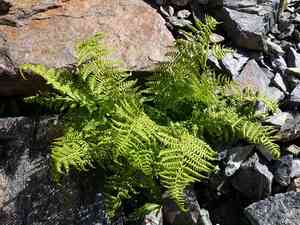
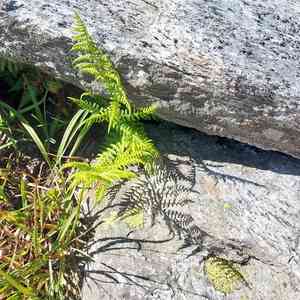
Quickly Identify Alpine lady fern
1
This fern can be recognized by its bipinnate fronds that are delicate and lacy in appearance. The fronds are usually a dark green color and grow from a central clump with a spreading habit.
Scientific Classification of Alpine lady fern
Phylum
Vascular plants
Class
Ferns
Order
Polypodiales
Family
Ladyferns and allies
Genus
Lady ferns
Species
Alpine lady fern
Planting and Growing of Alpine lady fern
Care Difficulty
Easy
Watering Schedule
Every 3 days
Sunlight Requirements
Partial sun
Sunshine Duration
6-10 hours
Ideal Temperature
60-68℉
Soil Type
Potting Mix, Peat Mix
Soil pH
4.5-6.5
Fertilizer Type
Balanced
Pruning Season
Spring, Summer
Pruning Area
Branches, Leaves
Pruning Frequency
Once a year
Repotting Season
Spring
Pot Type
Plastic, Ceramic
 How to Water Alpine lady fern?
The watering amount for Athyrium distentifolium should aim for around 250 milliliters per session. This amount ensures that the soil is adequately moistened without becoming waterlogged. Water until the soil feels evenly moist to the touch while avoiding standing water in the pot's drainage tray.
What are the symptoms of an underwatered Alpine lady fern?
›
What should I do if my Alpine lady fern is not getting enough water?
›
What are the symptoms of an overwatered Alpine lady fern?
›
How to save an overwatered Alpine lady fern?
›
 What Are the Sunlight Requirements for Alpine lady fern?
An ideal light range for Athyrium distentifolium is partial sunlight with dappled light conditions. This lighting promotes hearty growth by supporting adequate photosynthesis without the risk of excessive exposure.
More About Sunlight Requirements Techniques→
What is the best light condition?
›
How to achieve the ideal lighting?
›
What are the benefits of optimal lighting?
›
 What Is the Ideal Temperature Range for Alpine lady fern?
The ideal temperature range for Athyrium distentifolium, commonly known as the Alpine lady-fern, typically falls between 60°F and 68°F. This range mimics the mild and stable conditions found in its native alpine and subalpine environments, providing optimal conditions for growth and development. Maintaining this temperature range aids in efficient physiological processes and overall plant health.
 What Soil is Best for Alpine lady fern?
Athyrium distentifolium thrives in soil that retains moisture well, ensuring the plant has a consistent water supply. This prevents wilting and promotes lush frond development. This fern requires nutrient-rich soil to support its growth. Incorporating organic matter like compost can provide essential nutrients, improving foliage vigor and enhancing its green hues. Although the soil should retain moisture, it must also drain well to prevent root rot. Sandy loam or loam soils strike a balance, offering the plant necessary drainage while maintaining sufficient moisture.
 How to Fertilize Alpine lady fern?
Athyrium distentifolium prefers a balanced approach when it comes to fertilizer. Use a diluted liquid fertilizer, applying no more than half the recommended strength. For solid fertilizers, a light application should suffice, ensuring the plant's growth without overwhelming the soil nutrients.
 How to Prune Alpine lady fern?
Be cautious not to cut near the new, rolled fronds (fiddleheads) as they emerge. These delicate parts are vital for the plant's continuing beauty and health. Try to maintain the natural shape of Athyrium distentifolium when pruning. Avoid heavy pruning; light, regular trimming will keep the plant lush without stressing it.
More About Pruning Techniques→
 How to Propagate Alpine lady fern plant?
1
Before division, water the plant thoroughly to help loosen the soil. This makes it easier to lift the plant and reduces root damage during the process.
2
Gently lift the Athyrium distentifolium from the soil using a spade, then use a sharp knife to divide the root clumps into sections. Each section should have a healthy number of fronds and adequate roots.
3
Plant each division in a prepared soil bed at the same depth it was growing before. Firm the soil around the roots and water thoroughly to help establish the new plant.
 How to Repot Alpine lady fern plant?
1
Repotting Athyrium distentifolium should be considered when you notice roots emerging from drainage holes or the plant seems excessively dry soon after watering. Spring and summer are ideal as the plant is actively growing, allowing it to recover quickly from the change.
2
The new pot should be 1-2 inches in diameter larger than the existing one, providing enough space for root growth without overwhelming the plant. Opt for pots with adequate drainage holes to prevent root rot, ensuring a healthier environment for your fern.
3
Opt for a well-draining, moisture-retentive soil mix, ideally one suited for ferns. Such a blend ensures your Athyrium stays hydrated without becoming waterlogged, offering an ideal environment for root health and growth.



