How to Transplant Preuss' milkvetch?
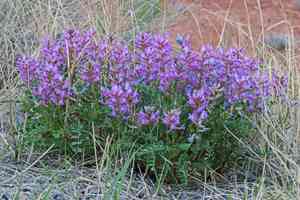
Preuss' milkvetch flourishes when relocated from early spring through its peak flowering period in the same season, due to its preference for bright, adequately drained environments. Minimizing root disruption enhances the plant's strength and ability to recover.
Necessary Preparations Before Relocating Preuss' Milkvetch?
Optimal Period for Relocating Preuss' Milkvetch?
Preuss' milkvetch, a perennial, is best moved from early to late spring. This timeframe allows the plant to establish its root system prior to the demands of summer heat. Transplanting at this point ensures ideal soil moisture and temperatures, fostering vigorous development and stable rooting. Early spring conditions also provide the plant with an extended growing season to mature.
Required Spacing Between Preuss' Milkvetch Plants?
When relocating preuss' milkvetch, position plants 18-24 inches (45-60 cm) apart. This provides ample room for growth and ensures good air circulation, which aids in disease prevention.
Ideal Soil Blend for Preuss' Milkvetch Relocation?
For preuss' milkvetch, prepare soil that drains well. A sandy or loamy texture is perfect. Incorporate compost or a balanced base fertilizer, such as a 10-10-10 mix, to enrich the ground.
Recommended Location for Your Preuss' Milkvetch?
Preuss' milkvetch thrives in full sun, so select a spot that receives at least 6-8 hours of direct sunlight daily. This helps the plant flourish and produce vibrant growth.
Equipment to Prepare Before Transplanting Preuss' Milkvetch?
Gardening Gloves
To safeguard your hands while handling soil and the plant.
Shovel or Spade
For excavating trenches and moving earth.
Hand Trowel
To assist with precise digging and working around plant roots.
Pruning Shears
To trim any damaged or lifeless roots.
Watering Can or Hose
To hydrate the plant before and after its relocation.
pH Tester
To verify the soil's appropriate pH level for preuss' milkvetch.
Wheelbarrow
To transport the plant if it is large or heavy.
How to Extract Preuss' Milkvetch from its Current Location?
How to Extract Preuss' Milkvetch from the Soil?
From Ground: First, moisten the preuss' milkvetch plant to dampen the soil. Then, dig a wide trench around the plant using a shovel or spade, ensuring the plant's root ball remains intact. Carefully work the spade beneath the root ball to lift the plant from its original spot.From Pot: Lightly water the preuss' milkvetch plant to help loosen the soil. Gently tap the pot's sides to release the plant. Invert the pot while supporting the plant and slide it out. If roots are circling the pot's bottom, gently untangle them with your fingers.From Seedling Tray: Water the seedling tray to facilitate removal. Use a hand trowel or your fingers to carefully lift the preuss' milkvetch seedling, retaining as much of the root system as possible. Handle seedlings by their leaves to avoid harming delicate stems.
Detailed Steps for Relocating Preuss' Milkvetch
Site Preparation
Prepare the new planting area by clearing any weeds or debris. Dig a hole that is twice as wide and equally as deep as the root ball of your preuss' milkvetch plant.
Amend Soil
Incorporate organic matter or compost into the soil removed from the hole to enhance soil structure and nutrient content.
Position the Plant
Gently place the preuss' milkvetch plant into the hole, ensuring it sits at the same depth as it was in its previous location. Backfill the hole with soil, pressing gently around the root ball to eliminate air pockets.
Thorough Watering
Water the preuss' milkvetch plant immediately after transplanting. This helps to settle the soil around the roots and provides essential moisture as the plant adapts to its new environment.
Mulch Application
Apply a layer of mulch around the base of the preuss' milkvetch plant to help retain moisture and suppress weeds, but ensure the mulch does not touch the plant stem.
Post-Transplantation Care for Preuss' Milkvetch?
Watering
Keep the soil around the preuss' milkvetch consistently moist, but not waterlogged, for the initial weeks after transplanting to aid in establishing strong roots.
Monitoring
Regularly inspect the preuss' milkvetch plant for any indications of stress, such as wilting or yellowing leaves, and adjust care as necessary.
Protection
Shield the preuss' milkvetch plant from harsh weather conditions, such as strong winds or heavy rain, during the first few weeks after relocation.
Pruning
Remove any damaged or dead growth to encourage new development and maintain plant vitality.
Resolving Common Issues with Preuss' Milkvetch Relocation.
When is the best time to relocate preuss' milkvetch?
Early spring to late spring is ideal for moving preuss' milkvetch to help ensure successful growth.
How far apart should I space preuss' milkvetch?
Space preuss' milkvetch plants 18-24 inches (45-60 cm) apart for optimal growth and air circulation.
What kind of soil is best for preuss' milkvetch?
Well-drained soil is ideal for preuss' milkvetch, ensuring the roots do not sit in water and rot.
How should I prepare the soil for relocating preuss' milkvetch?
Loosen the soil to a depth of 12 inches (30 cm) and mix in compost for nutrients.
How deep should I plant preuss' milkvetch?
Plant preuss' milkvetch at the same depth it was growing in its previous location to avoid stress.
Should I water preuss' milkvetch immediately after relocating?
Yes, water preuss' milkvetch thoroughly right after transplanting to help settle the soil around the roots.
What should I do if preuss' milkvetch shows signs of transplant shock?
Keep the soil consistently moist and provide some shade to help preuss' milkvetch recover from transplant shock.
How do I handle preuss' milkvetch's roots during relocation?
Handle the roots gently and avoid disturbance to minimize stress and promote smoother transplantation.
Is mulching necessary for preuss' milkvetch?
Mulch around preuss' milkvetch to retain soil moisture and suppress weed growth, but keep it away from the stems.
How often should I water preuss' milkvetch after relocating?
Water preuss' milkvetch regularly, keeping the soil consistently moist but not waterlogged for the first few weeks.



