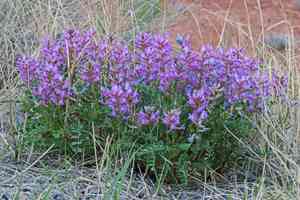
Preuss' milkvetch (Astragalus preussii)
Also known as: Lancaster milkvetch
The plant in question can be either an annual or perennial, typically reaching heights of 10 to 38 cm and displaying an upright growth pattern from a woody base. It flowers between spring and summer. Each flowering stalk features an inflorescence with 3 to 22 blossoms, surrounded by a small green calyx with five lobes. The tubular flowers, which range in color from white to pink to purple, are approximately 1.9 cm in length.
In This Article
Attributes of Preuss' milkvetch
Lifespan
Perennial
Plant Type
Herb
Plant Height
30-60 cm
Spread
50-90 cm
Leaf Color
Green
Flower Size
1-2 cm
Flower Color
Purple, Pink
Images of Preuss' milkvetch
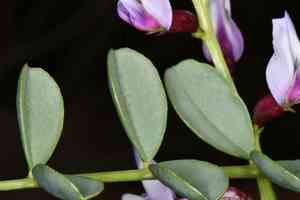
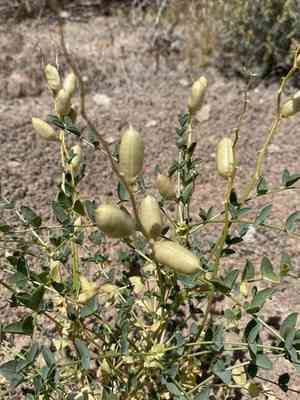
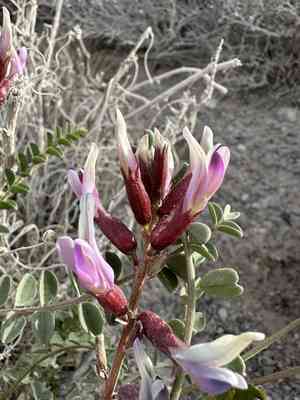
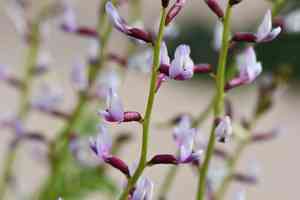
Quickly Identify Preuss' milkvetch
1
Identification involves recognizing its pinnate leaves and small, pea-like flowers, which are typically purple or pink. It usually grows in arid, sandy soils.
Scientific Classification of Preuss' milkvetch
Phylum
Vascular plants
Class
Dicotyledons
Order
Fabales
Family
Legume
Genus
Milkvetch
Species
Preuss' milkvetch
Planting and Growing of Preuss' milkvetch
Care Difficulty
Moderate
Watering Schedule
Every 2 days
Sunlight Requirements
Full sun
Sunshine Duration
6-10 hours
Ideal Temperature
60-75℉
Soil Type
Potting Mix, Peat Mix
Soil pH
6.5-7.5
Fertilizer Type
Balanced
Pruning Season
Spring, Summer
Pruning Area
Branches, Leaves
Pruning Frequency
2 times a year
Repotting Season
Spring
Pot Type
Plastic, Ceramic
 How to Water Preuss' milkvetch?
Astragalus preussii prefers moderate watering, with about 250 ml each time. Ensure the topsoil feels dry to the touch before watering again, as this plant prefers drier conditions and excess water can harm its roots.
What are the symptoms of an underwatered Preuss' milkvetch?
›
What should I do if my Preuss' milkvetch is not getting enough water?
›
What are the symptoms of an overwatered Preuss' milkvetch?
›
How to save an overwatered Preuss' milkvetch?
›
 What Are the Sunlight Requirements for Preuss' milkvetch?
Astragalus preussii requires full to partial sun, ideally 8 to 12 hours of light daily, to promote maximum growth and bloom health.
What type of light does Astragalus preussii prefer?
›
How can I ensure Astragalus preussii gets the right amount of light?
›
What are the benefits of optimal lighting for Astragalus preussii?
›
 What Is the Ideal Temperature Range for Preuss' milkvetch?
For optimal growth, Astragalus preussii thrives in temperatures ranging from 60°F to 75°F. These conditions mimic its native habitat and ensure the plant can carry out photosynthesis efficiently and grow without undue stress.
 What Soil is Best for Preuss' milkvetch?
Astragalus preussii thrives in well-drained soils that prevent root rot and other moisture-related issues. Ensuring proper drainage helps maintain healthy root systems, which is crucial for nutrient uptake and overall plant health. The plant prefers a substrate that is rich in organic matter, enhancing growth and vigor. Providing nutrient-rich soil ensures adequate access to essential minerals and nutrients, facilitating robust vegetative development. A slightly alkaline soil condition is ideal for Astragalus preussii, as it supports optimal enzyme activity and nutrient availability. Maintaining this pH range helps the plant to thrive and reduces nutrient lock issues.
 How to Fertilize Preuss' milkvetch?
For Astragalus preussii, the fertilizer amount should be moderate as excess can damage the roots. Use a balanced fertilizer with a 10-10-10 NPK ratio. For liquid fertilizers, dilute them to half-strength and apply about 1/4 cup per plant.
 How to Prune Preuss' milkvetch?
Begin by evaluating the overall shape of the Astragalus preussii. Look for stems that are overgrown, dead, or diseased. The idea is to maintain a balanced and symmetrical appearance, which also promotes better air circulation around the plant, reduces the risk of pests, and encourages robust new growth. Start by using clean, sharp pruning shears. Remove any dead or diseased stems first, cutting them back to the base. Next, trim back overly exuberant growth to the desired shape, ensuring you cut just above a leaf node to promote healthy regrowth. Be sure to thin out any particularly dense areas to prevent overcrowding, which can stifle growth.
More About Pruning Techniques→
 How to Propagate Preuss' milkvetch plant?
1
Collect seeds from mature Astragalus preussii plants in late summer or early autumn. Ensure that the seeds are fully mature and dry before storage or planting. Avoid collecting seeds from plants that show signs of disease.
2
Astragalus seeds often require stratification to break dormancy. Place seeds in a moist substrate and store them in a refrigerator for about 4-6 weeks to simulate winter conditions, aiding in successful germination.
3
Sow the stratified seeds in seed trays filled with a well-draining soil mix in early spring. Lightly cover the seeds with soil and ensure they receive ample sunlight. Maintain consistent moisture but avoid waterlogging.
 How to Repot Preuss' milkvetch plant?
1
Astragalus preussii needs repotting when roots protrude from the drainage holes or when the soil dries out quickly. Early spring or autumn are the ideal times to repot, as it allows the plant to establish in its new home before entering a growth or dormancy phase.
2
Select a pot that is one size larger than its current vessel and ensures adequate drainage. A well-draining pot prevents water stagnation, simulating the plant’s natural rocky habitat, and promotes healthier root growth.
3
Choose a sandy, well-draining soil mix. This kind of soil mimics the plant’s native environment, providing the roots with necessary aeration and preventing issues related to overwatering, which is crucial for its survival.
Toxicity
Ingestion
WARNING
The judgment on toxicity and danger is for reference only. We DO NOT GUARANTEE any accuracy of such judgment. Therefore, you SHALL NOT rely on such judgment. It is IMPORTANT TO SEEK PROFESSIONAL ADVICE in advance when necessary.
Learn More About Preuss' milkvetch Diseases
Anthracnose
Bacterial Leaf Spot
Bacterial Wilt
Crown Gall
Cyst Nematode
Damping-off
Downy Mildew
Drought Stress
Fusarium Wilt
Gray Mold
Leaf Spot
Mosaic
Nutrient Deficiency
Nutrient Toxicity
Powdery Mildew
Root Rot
Root-knot Nematode
Rusts
Sooty Mold
Spider Mites
Temperature Stress
Thrips Damage
White Mold
Chemical Injury



